
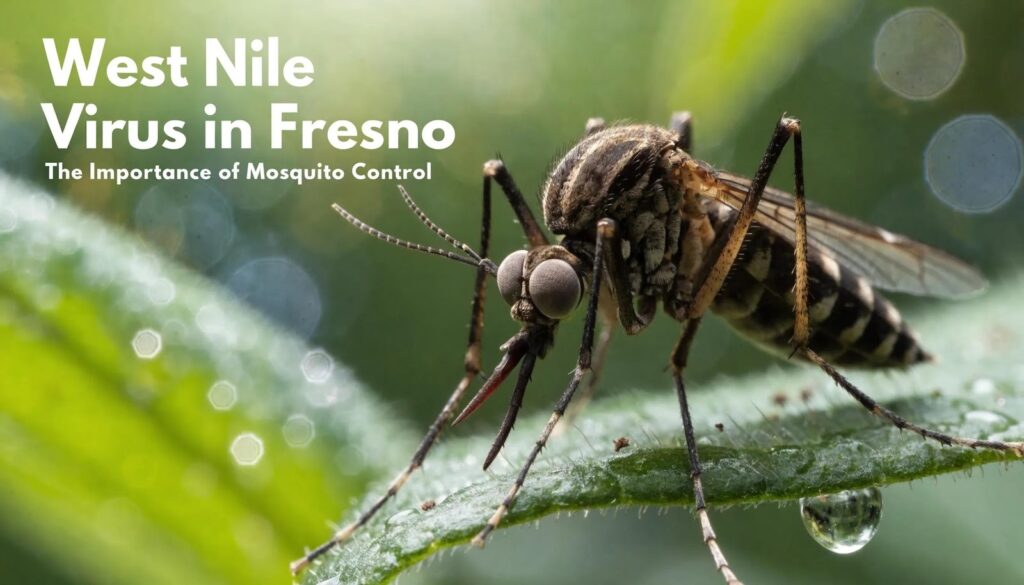
Fresno is experiencing growing concern about West Nile Virus, which is transmitted by mosquitoes. This overview explains the virus’s implications, identifies the mosquito species responsible, and reviews professional control options available locally. Understanding the situation helps residents make informed choices about prevention. West Nile Virus presents clear health risks during mosquito season, and effective management is necessary to protect community health. The following sections define WNV, describe its spread in Fresno, outline breeding conditions that support mosquito populations, and summarize the professional services offered by Valley Wide Pest Control to reduce those risks.
What Is West Nile Virus, and How Do Mosquitoes Transmit It in Fresno?
West Nile Virus (WNV) is an infection that can cause serious neurological illness in humans. It is primarily spread through bites from infected mosquitoes, which are encountered during outdoor activities in Fresno. Many mosquito species can carry the virus and transmit it between birds and people. Symptoms range from mild, flu-like signs to severe neurological conditions. Preventive measures and professional control are essential to lower the risk of infection.
Which Mosquito Species Are Responsible for West Nile Virus in Fresno?
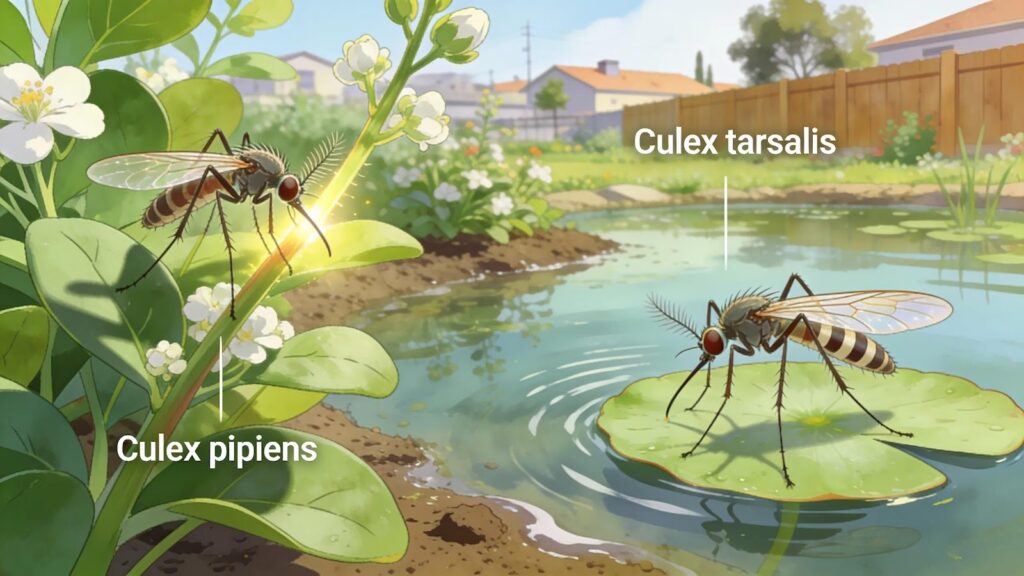
In Fresno, the primary vectors for West Nile Virus are Culex pipiens (the common house mosquito) and Culex tarsalis. These species flourish in urban and suburban settings and breed in stagnant water found in flower pots, clogged gutters, and bird baths. Their increased activity during warmer months increases the likelihood of virus transmission, underscoring the need for effective mosquito management in neighborhoods.
What Are the Common Symptoms and Health Risks of West Nile Virus?
Initial symptoms of West Nile Virus commonly resemble a mild case of the flu, including fever, headache, and body aches. Most people recover without lasting problems, but some — particularly older adults and those with weakened immune systems — can develop severe conditions such as encephalitis or meningitis. Prompt medical evaluation is important when symptoms appear.
How Do Mosquito Breeding Sites in the San Joaquin Valley Contribute to the West Nile Virus Risk?
Breeding sites strongly influence the spread of West Nile Virus across Fresno and the San Joaquin Valley. Conditions that encourage standing water and shelter for mosquitoes allow populations to increase, which raises the community risk. Identifying and addressing these sites is a key component of regional control efforts.
Where Are Typical Mosquito Breeding Sites Found in Fresno and Surrounding Areas?
Common breeding sites in and near Fresno include abandoned swimming pools, discarded tires, irrigation ditches, and other areas where water collects and remains standing. Urban landscaping that retains water can also support mosquito reproduction. Removing or treating these sites reduces mosquito breeding and lowers the risk of WNV transmission.
What Environmental Factors Increase Mosquito Breeding in the San Joaquin Valley?
Several environmental factors drive mosquito breeding across the San Joaquin Valley. Warm summer temperatures accelerate mosquito life cycles, while seasonal rain and poor drainage create temporary pools ideal for larvae. Urban infrastructure with inadequate drainage worsens these conditions and calls for targeted mosquito management to reduce the risk of West Nile Virus Infection.
What Professional Mosquito Control Services Are Available in Fresno to Combat West Nile Virus?
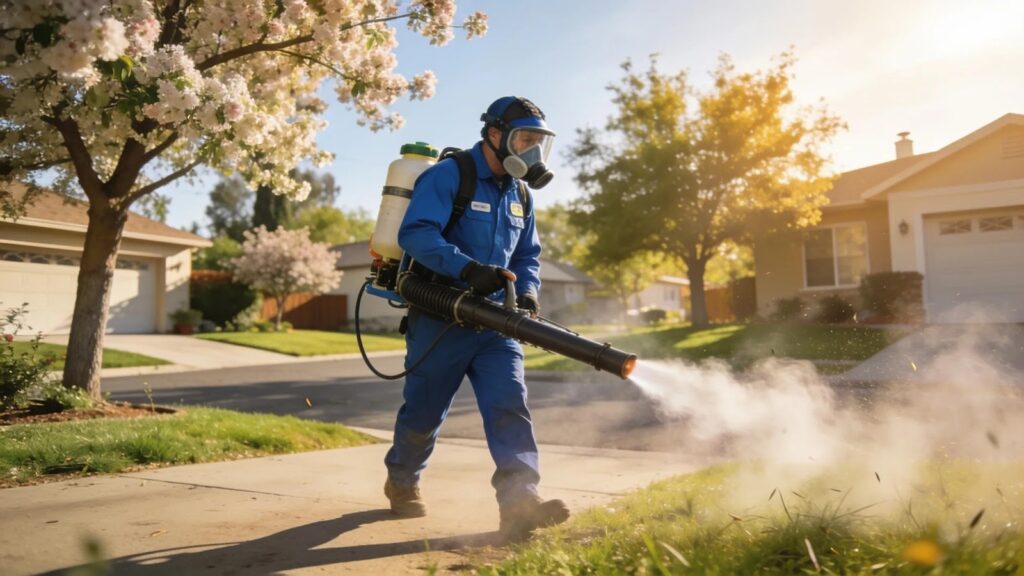
Addressing Fresno’s mosquito challenge requires proven professional control services. Valley Wide Pest Control provides comprehensive strategies designed to reduce mosquito populations and lower the likelihood of West Nile Virus transmission through tailored pest management solutions.
How Does Mosquito Fogging Service Work to Reduce Mosquito Populations?
Mosquito fogging applies insecticide as a fine mist to target adult mosquitoes in their active habitats. This method can rapidly reduce mosquito numbers over large areas and is often used when WNV risk is elevated. When applied strategically, fogging protects residents and supports broader public health objectives.
What Preventive Pest Control Techniques Does Valley Wide Offer for Mosquito Management?
Valley Wide Pest Control uses preventative measures, including routine inspections to locate breeding sites, larvicidal treatments to eliminate larvae before they mature, and scheduled follow-up visits to maintain low mosquito levels. These steps protect residents from bites and help reduce the risk of West Nile Virus in the Fresno area. For service details, residents can visit Valley Wide Pest Control services.
How Effective Is Professional Mosquito Control Compared to DIY Mosquito Bite Prevention in Fresno?
DIY mosquito prevention methods are widely used but often fall short of professional control. Recognizing the limitations of home remedies helps residents choose appropriate protection against mosquito-borne illnesses.
What Are Common DIY Mosquito Bite Prevention Methods and Their Limitations?
Common DIY methods include citronella candles, essential oils, and physical barriers such as nets or screens. These options can offer localized relief but are inconsistent and limited in scope. They do not address breeding sites or larger mosquito populations, making them less reliable in high-risk areas for West Nile Virus.
Why Is Professional Mosquito Control Recommended for Lasting West Nile Virus Protection?
Professional mosquito control delivers targeted treatments that remove adult mosquitoes and larvae at breeding and resting sites. Specialists can evaluate local conditions and schedule treatments when mosquitoes are most vulnerable, ensuring precise application. This expertise increases the effectiveness of control efforts and substantially reduces the risk of WNV transmission. Additional information about the company’s background and mission is available on the About Us page.
How Can Fresno Residents Schedule a Free Mosquito Control Estimate with Valley Wide Pest Control?
Residents concerned about mosquito activity can schedule a free mosquito control estimate with Valley Wide Pest Control. This initial assessment identifies risks and provides tailored recommendations for effective protection.
What Does the Mosquito Control Estimate Include and How Is the Service Customized?
An estimate includes a thorough property assessment, identification of breeding sites, and recommended targeted treatments. Valley Wide customizes services based on property layout, local mosquito activity, and client needs to deliver effective, site-specific pest management.
What Guarantees and Warranties Support Valley Wide’s Mosquito Control Services?
Valley Wide Pest Control backs its mosquito services with satisfaction guarantees and follow-up support. This commitment provides ongoing assistance and allows treatment plans to be adjusted as needed to manage mosquito populations over time, offering clients measurable reassurance against West Nile Virus.
Frequently Asked Questions
1. How can I recognize the presence of West Nile Virus in my area?
To detect West Nile Virus in your area, monitor local mosquito activity and public health reports from authorities who conduct mosquito testing. Reports of dead birds can also indicate the presence of WNV locally. Stay informed through community alerts and health advisories to accurately assess risk.
2. Are there specific times when mosquitoes are more active in Fresno?
Yes. Mosquitoes in Fresno are generally most active at dawn and dusk, when temperatures cool, and humidity rises. Avoiding outdoor exposure during these periods and removing standing water around your property can reduce the risk of bites.
3. What steps can I take to minimize mosquito breeding on my property?
Reduce mosquito breeding by regularly emptying standing water from flower pots, bird baths, clogged gutters, and old tires. Ensure proper drainage and maintain landscaping to limit sheltered areas. Professional pest control services can augment these efforts with targeted treatments.
4. Can pets transmit West Nile Virus?
Pets such as dogs and cats do not transmit West Nile Virus to humans. They can, however, be bitten by infected mosquitoes and may be affected. Keep pets indoors during peak mosquito activity and consult your veterinarian about preventative measures.
5. How can I tell if my symptoms are related to West Nile Virus?
If you develop fever, headache, rash, confusion, or other concerning symptoms, seek medical evaluation. Those at higher risk—older adults and immunocompromised individuals—should seek prompt care. A healthcare provider can determine whether testing for WNV is appropriate.
6. How often should I schedule professional mosquito control services?
Service frequency depends on local mosquito levels and property conditions. A common recommendation is treatments every 4–6 weeks during peak season. Your provider can assess activity and suggest a customized schedule.
7. Are there any natural methods to repel mosquitoes effectively?
Natural repellents include planting citronella, lavender, and marigold, as well as using essential oils such as eucalyptus, tea tree, or peppermint for temporary relief. While these measures can help, they work best when combined with professional control for comprehensive protection.
Conclusion
Professional mosquito control is a critical measure for Fresno residents concerned about West Nile Virus. Reducing mosquito populations through targeted, site-specific services lowers health risks and strengthens community safety. Scheduling a free estimate is a practical first step toward implementing preventive measures. Learn how Valley Wide Pest Control can support efforts to maintain a mosquito-reduced environment.