

Mosquito season presents a real concern for Fresno residents because mosquitoes disrupt outdoor life and carry health risks. Recognizing seasonal patterns and the available control treatments is necessary to keep properties safe and usable. This article outlines the typical season dates for Fresno and the San Joaquin Valley, advises when homeowners and businesses should begin treatments, and reviews effective management strategies, including environmentally conscious options and the role of professional pest control.
By reviewing the factors that drive mosquito activity and providing clear timing guidance, this guide equips residents to effectively reduce mosquito populations. Key sections cover typical season dates, treatment timing, the most effective management methods, and the benefits of choosing Valley Wide Pest Control for professional service.
What Are the Typical Mosquito Season Dates in Fresno and the San Joaquin Valley?
In Fresno and the San Joaquin Valley, mosquito season typically runs from early spring through late fall, commonly from March to November. Seasonal shifts in temperature and precipitation strongly influence mosquito activity. As temperatures rise in early spring, mosquito populations increase, and breeding intensifies in areas with standing water, such as ponds, marshes, and other bodies of water.
Understanding these seasonal patterns supports timely control measures that reduce breeding and infestation rates. Awareness of peak activity months helps homeowners and businesses schedule treatments when they will be most effective, improving outdoor comfort during the height of the season.
How Should Homeowners and Businesses Time Their Mosquito Control Treatments?
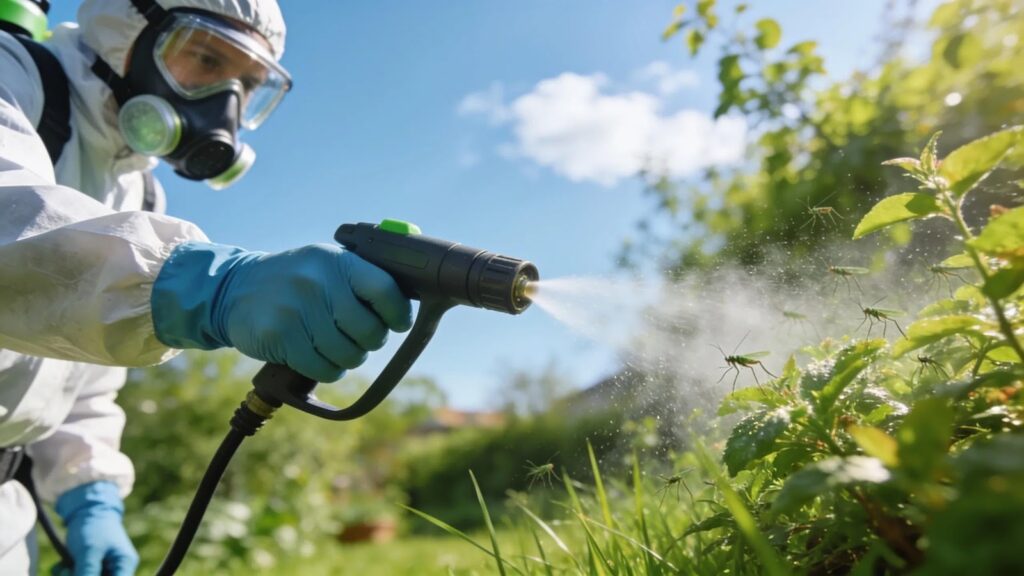
Timing is critical for effective mosquito control. Treatments should begin in early spring—ideally in March—when rising temperatures first trigger increased mosquito activity. During this period, monitor local temperature and precipitation trends, as these conditions directly affect mosquito breeding and population growth.
Optimal Start Dates for the Season
Homeowners should plan to start mosquito control treatments as early as March. A proactive schedule based on weather cues and historical local data reduces the chance of substantial infestations later in the season.
Factors Influencing Timing
Several environmental factors determine optimal treatment timing: ambient temperature, humidity, and the availability of breeding sites. Warmer conditions accelerate mosquito development, and urban heat islands can elevate activity in built environments.
Recommended Frequency of Applications
To sustain control through peak months, applications are typically recommended every 21 to 30 days. This interval maintains treatment efficacy and reduces the likelihood of resurgence as juvenile mosquitoes mature. Each application should be adjusted based on observed mosquito activity and changes in environmental conditions.
How Often Should Professional Mosquito Treatments Be Applied for Effective Control?
Professional mosquito treatments are advised to achieve reliable results. Generally, these services are scheduled every 21 to 30 days during peak activity, matching the seasonal pattern outlined above. Regular professional treatments address both adult mosquitoes and larval stages to lower populations and prevent re‑infestation. For more information on professional services, consider checking out preventative pest control options.
What Are the Most Effective and Environmentally Safe Mosquito Control Methods Available?

Effective mosquito control methods can be selected to meet Fresno residents’ needs while prioritizing environmental safety. The following approaches are recognized as both effective and eco‑sensitive:
- Integrated Pest Management: This holistic approach combines biological, cultural, physical, and chemical tools to manage mosquito populations more sustainably.
- Natural Pesticide Options: Using natural repellents and insecticides can minimize impacts on beneficial organisms and the surrounding ecosystem.
- Mechanical Traps and Exclusion Techniques: Strategies such as traps and barrier methods can prevent mosquitoes from entering living spaces without relying heavily on chemical treatments.
Effective Mosquito Control Methods Comparison Table
To better understand the environmental impact and effectiveness of these methods, the following table outlines various mosquito control strategies:
| Method | Type | Environmental Impact |
|---|---|---|
| Integrated Pest Management | Holistic Control | Low |
| Natural Pesticides | Chemical Control | Minimal |
| Mechanical Traps | Non-Chemical Exclusion | Low |
This comparison demonstrates that effective mosquito control is achievable while minimizing environmental harm, enabling responsible pest management practices.
Understanding additional strategies, such as the Sterile Insect Technique, complements an integrated approach to mosquito management.
Mosquito Suppression in Fresno County, CA: Wolbachia-Infected Aedes aegypti
The range of the mosquito Aedes aegypti continues to expand, putting more than two billion people at risk of arboviral infection. The sterile insect technique (SIT) has been used to combat agricultural pests on a large scale successfully, but not mosquitoes, primarily due to challenges in consistently producing and distributing high-quality male mosquitoes. We describe automated processes for rearing and releasing millions of competitive, sterile male Wolbachia-infected mosquitoes and their use in a large-scale suppression trial in Fresno County, California. In 2018, we released 14.4 million males across three replicate neighborhoods encompassing 293 hectares. At peak mosquito season, the number of female mosquitoes was 95.5% lower (95% CI, 93.6–96.9) in release areas than in non-release areas, with the most geographically isolated neighborhood showing a 99% reduction. This work demonstrates the high efficacy of mosquito SIT in an area ninefold larger than in previous similar trials, supporting the potential of this approach in public health and nuisance-mosquito eradication programs.
Efficient production of male Wolbachia-infected Aedes aegypti mosquitoes enables large-scale suppression of wild populations, JE Crawford, 2020
How Do Eco-Friendly Mosquito Control Plans Work in Fresno?
Eco‑friendly mosquito control plans focus on prevention through habitat modification, the use of natural predators, and botanical insecticides that avoid harm to beneficial species. Core actions include routine removal of standing water, reduction of potential breeding sites, and engaging the community in monitoring and prevention efforts.
These methods reduce mosquito populations while supporting a healthy local ecosystem. By combining natural predation and botanical solutions, residents can protect outdoor spaces without relying on harsh chemicals.
Why Choose Valley Wide Pest Control for Professional Mosquito Control in Fresno?
Valley Wide Pest Control is a trusted local provider with experienced technicians who tailor services to the needs of residential and commercial clients. The team uses environmentally safe methods and tailors treatments to the San Joaquin Valley’s specific climate and pest challenges, delivering practical solutions for long‑term control.
What Guarantees and Warranties Support Valley Wide’s Mosquito Treatments?
Valley Wide Pest Control provides satisfaction guarantees and service warranties that allow for follow‑up treatments or adjustments based on observed results. These assurances give residents confidence that their mosquito management investment will deliver measurable reductions in nuisance activity.
How Can Fresno Residents Prevent Mosquito Infestations Beyond Treatments?
Preventing mosquito infestations requires proactive measures beyond periodic treatments. Residents should adopt routine practices that limit breeding opportunities and reduce mosquito harbourage on their properties.
- Remove Standing Water: Regularly check and eliminate any potential water-holding containers.
- Maintain Landscaping: Keep grass short, trim shrubs, and ensure gutters are clean to prevent water accumulation.
- Utilize Screens: Installing screens on doors and windows helps to keep mosquitoes outside where they belong.
Combining these property‑level actions with professional control services establishes a robust defense against mosquito infestations and improves outdoor comfort.
When Should Preventive Mosquito Control Plans Be Scheduled to Maximize Protection?
Preventative plans should be scheduled in alignment with seasonal shifts and local climate indicators. Starting treatments in early spring and maintaining a consistent application schedule through the warmer months delivers the best protection against rising mosquito populations.
Ongoing assessments based on observed mosquito activity and environmental conditions ensure that control measures remain appropriate and effective throughout the season.
Where and How Can Fresno Residents Schedule Mosquito Control Services with Valley Wide?
Fresno residents may schedule mosquito control services with Valley Wide Pest Control via phone or email. Contacting the company early in the season secures timely service during peak activity. Valley Wide provides a range of service options customized to local needs; see their contact options for direct assistance.
What Are the Contact Options and Service Areas Covered by Valley Wide in Fresno?
Valley Wide Pest Control serves Fresno and the broader San Joaquin Valley with comprehensive pest management solutions. For inquiries or to schedule a consultation, contact the company by email at info@valleywidepest.com or by calling (559) 285-8181. Early contact allows residents to benefit from the company’s local expertise and tailored service plans.
Frequently Asked Questions
1. What are the health risks associated with mosquito bites in Fresno?
Mosquitoes in Fresno can transmit illnesses such as West Nile virus, Zika virus, and dengue fever. These diseases present a greater risk to young children and older adults. While many bites cause only minor reactions, infections from transmitted viruses can produce serious complications. Implementing targeted mosquito control reduces exposure and protects household health during peak season.
2. Are there any natural repellents that work against mosquitoes?
Yes. Certain natural repellents—including essential oils such as citronella, eucalyptus, and lavender—can deter mosquitoes without using strong synthetic chemicals. Products containing these ingredients may be applied to skin or used in diffusers to improve outdoor comfort; always patch‑test a small area of skin first to check for allergic reactions.
3. How can community efforts help in controlling mosquito populations?
Community initiatives like neighborhood clean‑ups are important for reducing mosquito breeding sites. Educating residents about removing standing water and maintaining outdoor spaces lowers local risk. Coordinated action with pest control providers can enable targeted, large‑scale treatments in high‑risk areas and increase overall effectiveness.
4. What steps should I take if I notice a mosquito infestation in my home?
If you detect an infestation, begin by eliminating standing water around your property. Use indoor repellents or traps to reduce numbers, and if the issue persists, contact a professional pest control service, such as Valley Wide Pest Control, for a site assessment and a targeted treatment plan.
5. How can I make my yard less attractive to mosquitoes?
Make your yard less inviting to mosquitoes by trimming overgrown vegetation, keeping grass short, and removing items that collect water, such as pots, tires, or poorly maintained birdbaths. Encouraging natural predators like birds and bats and planting mosquito‑repellent species, such as marigolds and lemongrass, can further deter pests.
6. What is the importance of monitoring weather patterns for mosquito control?
Monitoring weather patterns is essential because temperature and rainfall directly affect mosquito breeding and activity. Warm, wet conditions create ideal breeding habitats. Awareness of these patterns allows homeowners to time control measures so treatments coincide with peak mosquito activity and yield better results.
7. Are there any resources available for residents seeking more information on mosquito management?
Yes. Residents can consult local health department websites for updates on mosquito activity and public health guidance. The California Department of Public Health and Valley Wide Pest Control also provide practical guides and tips tailored to the region. Local community centers may offer workshops on prevention and monitoring.
Conclusion
Managing mosquito populations during Fresno’s peak season is essential to preserve outdoor comfort and reduce health risks. Combining timely, professionally administered treatments with eco‑friendly preventive actions delivers measurable reductions in mosquito activity. Schedule treatments early in the season with a qualified provider such as Valley Wide Pest Control to optimize protection for your property and family.