
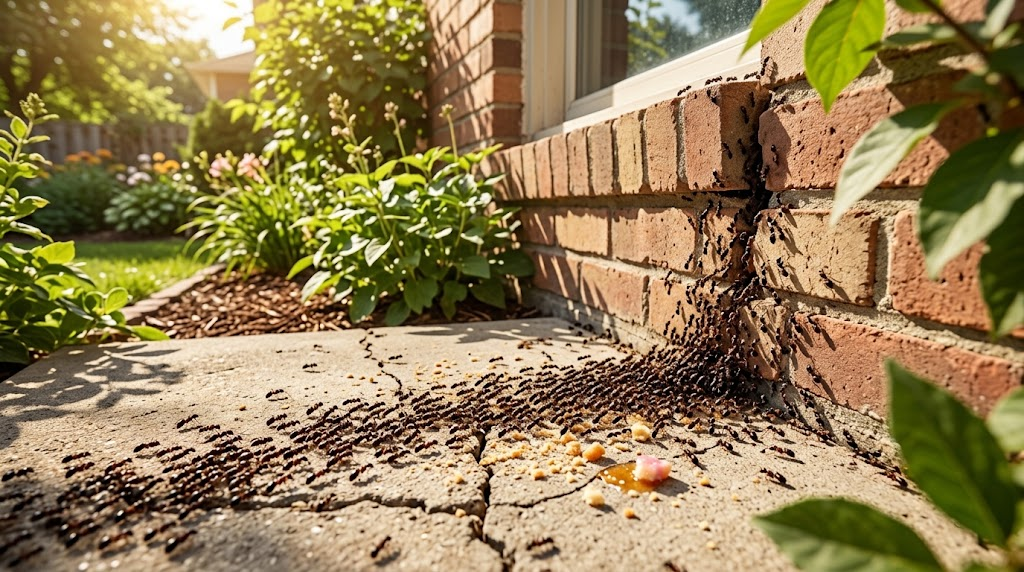
Central Valley summer heat pushes ants indoors as outdoor food and water sources dry up. We find these colonies chasing moisture, crumbs, and shelter inside Fresno-area homes, since indoor conditions stay stable while yards bake. With over 40 years of experience in Central California, we don’t just spray—we solve.
Key Takeaways
- Ants accelerate their metabolism in summer heat, significantly increasing activity and colony expansion rates.
- Rising temperatures and dry conditions force ants to seek water, food, and shelter indoors.
- Homes provide stable moisture and accessible food sources that outdoor environments cannot provide during heat waves.
- Valley Wide Pest Control recommends sealing entry points before summer arrives to prevent infestations.
Why Are Ants Suddenly Swarming Your Home?
Rising summer temperatures trigger ant metabolism into overdrive, sending workers scrambling for food, water, and shelter. Cold-blooded insects like ants depend on outside heat to regulate body temperature. A hot Fresno afternoon literally speeds up their internal engine. That surge in activity explains why ants in summer seem to appear overnight, marching across countertops and patios in numbers homeowners rarely see during cooler months.
The heat doesn’t just make ants faster—it makes them desperate. As outdoor food and moisture sources dry up under the Central Valley sun, colonies redirect their energy toward finding reliable resources indoors. A kitchen sink, a pet’s water bowl, or a leaky irrigation line becomes a lifeline for a colony under thermal stress.
What makes ant activity in hot weather different from spring or fall?
Heat compresses the timeline. Instead of a gradual buildup, ant infestations in hot weather often erupt within days as foraging trails multiply and worker ants recruit reinforcements. Does every ant sighting mean a full infestation?
Not necessarily, but a few scouts today can mean dozens tomorrow. Our veteran-led crew lives and works in these same communities. We recognize early warning signs before they turn into full-blown colonies. That local familiarity shapes how we approach summer ant control—treating the cause, not just the visible trail.
What Draws Ants Into Fresno-Area Homes?
Moisture draws ants indoors faster than almost anything else once Central Valley temperatures climb. Kitchens, bathrooms, and irrigated landscaping near a foundation offer exactly what a struggling colony needs: water, food, and shelter from baking sidewalks and dry soil. Once outdoor conditions turn harsh, homes become an obvious upgrade for a stressed colony.
We see this pattern play out across Fresno every summer. Ant infestations in hot weather rarely happen at random. Colonies follow resources, and our homes concentrate exactly what they’re after in one convenient location.
Why do ants suddenly show up in my kitchen during summer?
Kitchens combine three things ants need at once: crumbs, standing water, and warm, sheltered gaps behind appliances or baseboards. When outdoor foraging grounds dry up, scout ants locate these openings quickly and recruit the rest of the colony. A few ants near a sink one afternoon often signal a larger trail forming behind the walls.
Are some Fresno homes more at risk than others?
Older homes with gaps around plumbing, unsealed foundations, or heavy landscaping near the house tend to see more pressure. Properties with standing water from irrigation or drainage issues are especially vulnerable.
Because we’re headquartered right here in Fresno, CA, we watch these seasonal surges firsthand rather than reading about them from a distance. That local footing shapes how we approach summer ant control for Central Valley properties. Valley Wide Pest Control builds residential. Commercial strategies tailored to the specific pressures created by our region’s heat, rather than a generic, one-size-fits-all treatment plan.
Common summer draw points we inspect first include:
- Kitchen and bathroom plumbing leaks
- Pet food bowls and uncovered trash
- Mulch beds and irrigation lines against the foundation
- Cracks around windows, doors, and utility entry points
Addressing these access points early prevents small scouting trails from becoming established colonies indoors.
How Does Summer Heat Change Ant Behavior?
Rising temperatures push ant colonies to search for cooler shelter. Dependable moisture the moment outdoor conditions turn dry and harsh. Central Valley summers create exactly that pressure, and homes become the nearest refuge available. Ants in summer behave differently than in cooler months, and understanding that shift helps us design sharper defenses for Fresno-area properties.
As heat intensifies, colonies don’t just seek shelter—they mobilize. Foraging ranges expand, worker activity increases, and entire colonies move with greater urgency to secure food and water. This is a survival response, not random wandering. Kitchens, bathrooms, and irrigated landscaping become prime targets because they hold the steady moisture that outdoor soil no longer provides.
Why do ants seem worse during a heatwave?
Heatwaves amplify every driver behind ant infestations in hot weather. Outdoor water sources dry up faster, forcing colonies to search harder and travel farther for what they need. Properties with cracked foundations, gaps around utility lines, or standing moisture near irrigation systems see the heaviest pressure during extended heat events.
What draws ants specifically into occupied living spaces?
Occupied spaces stay cooler and hold moisture more reliably than parched yards. Kitchen counters, pet food bowls, and bathroom plumbing all provide resources that ants can no longer find outdoors.
We treat this seasonal surge as a distinct challenge, not a routine callback. Effective summer ant control requires targeting colonies at the nest, not just the trails homeowners spot on countertops. Our technicians rely on current science. Professional-grade equipment to deliver fast, effective control once ants establish an indoor presence, customizing treatment to each property’s layout and risk points.
- Expanded foraging ranges as outdoor temperatures rise
- Increased worker movement to secure food and water
- Indoor moisture and shelter drive colony relocation
What Can You Do to Prevent Ants?
Prevention starts with treating the source of an ant colony, not just the ants seen crawling across a countertop. Summer ant control works best when it targets nests. Entry points before ants in summer overwhelm a kitchen or patio. Waiting until an infestation spreads costs homeowners far more time and effort than addressing it early.
Ants rank among the most common nuisance pests in America. Warm months bring them out in overwhelming numbers, often showing up right when backyard gatherings begin. That timing makes early prevention especially valuable for Central California households bracing for another heatwave.
We approach ant infestations in hot weather differently than with a quick surface spray. Our team applies smart, targeted treatments designed to eliminate existing ant activity and prevent its return, all while protecting household health and the surrounding environment. That balance matters for families who want results without unnecessary chemical exposure.
What makes professional ant treatment more effective than DIY sprays?
Store-bought sprays often kill visible ants but leave the colony and its food sources untouched. With over 40 years of combined experience across Central California, we focus on solving the problem at its root rather than masking it temporarily. That source-focused approach is what separates lasting control from short-term fixes.
Homeowners and property managers can support long-term prevention with a few consistent habits:
- Seal cracks and gaps around foundations, windows, and utility lines.
- Store food in airtight containers, especially during peak summer heat.
- Address moisture issues near sinks, faucets, and irrigation lines promptly.
- Schedule professional inspections before ant activity peaks in the hottest months.
These steps, paired with targeted professional treatment, keep infestations from taking hold before they start.
When Should You Call Pest Professionals?
Early signs of ants trailing along baseboards, around sinks, or near pet food bowls are a sign it’s time to call for professional help. Waiting until ant infestations in hot weather spread through multiple rooms only makes the job harder and the colony bigger. A quick response protects both the structure and the household’s peace of mind.
Central Valley summers push ants indoors fast, and colonies don’t pause to let homeowners catch up. Left alone, these intruders can run rampant throughout a home as they search for food and shelter, spreading from the kitchen to bathrooms and beyond within days. That kind of spread turns a minor nuisance into a full-property problem.
How do I know if my ant problem needs a professional?
Scattered ants near a single entry point often respond to basic cleanup and sealing. But if trails reappear daily, span multiple rooms, or return after DIY treatment, professional-grade summer ant control is the more reliable option. Persistent activity usually means a colony has already established a nest somewhere inside the structure.
Why call a local, veteran-led team instead of handling it alone?
Because our veteran-led team lives and works right here in the Central Valley, we recognize the specific ant pressures local properties face each summer heatwave. That familiarity shapes how we target nests, not just visible trails.
We recommend that homeowners and property managers act at the first sign of activity:
- Watch for trails near moisture sources like sinks and irrigation lines
- Note recurring sightings in the same area over multiple days
- Track whether store-bought treatments stop working after a week
Call (559) 285‑8181 or request a free estimate to schedule pest control services homeowners can trust before infestations spread further.
FAQ
Why do ants invade homes during summer heat?
Summer heat dries up outdoor food and water sources, forcing ants to seek stable moisture, food, and shelter indoors. Homes provide reliable conditions that outdoor environments cannot offer during Central Valley heat waves.
Why does heat make ants more active?
Ants are cold-blooded, so rising temperatures accelerate their metabolism and increase activity levels. This surge sends worker ants scrambling for resources, causing colonies to expand and forage more aggressively than in cooler months.
What attracts ants to kitchens specifically?
Kitchens combine crumbs, standing water, and warm, sheltered gaps behind appliances or baseboards that ants need. When outdoor foraging grounds dry up, scout ants quickly locate these openings and recruit the rest of the colony.
Conclusion
In closing, understanding why ants invade homes during summer heat empowers you to take decisive action before infestations take hold. By addressing moisture sources, sealing entry points, and removing food attractants, you can eliminate the conditions that draw these persistent invaders indoors. When prevention proves insufficient, professional pest control expertise delivers the targeted solutions your home deserves. Valley Wide Pest can help identify the source of an infestation and provide effective solutions to keep your home protected. Summer ant invasions are preventable—and manageable—with knowledge and timely intervention.