
Termites can inflict major, often hidden, damage to a home. Many homeowners do not recognize early indicators of infestation. This article outlines seven early warning signs commonly missed and provides expert guidance on detection and prevention. Early intervention reduces the risk of extensive, costly repairs.
We examine hollow-sounding wood, mud tubes, buckling floors, discarded wings, frass, sagging ceilings, and bubbling paint, and offer practical guidance for identifying and preventing these issues. Acting early helps protect your property from unnecessary harm.
The seven early warning signs of termites that homeowners often miss include:
Termite infestations frequently remain undetected until significant damage occurs. The following are the primary early indicators homeowners should monitor.
- Hollow-Sounding Wood: Termites consume wood from the inside out, leading to hollow spaces that produce a distinctive sound when tapped.
- Mud Tubes Along Walls or Foundations: These tubes, made from soil and wood particles, provide termites with a protective passage from the ground to their food source.
- Buckling Floors or Bubbling Paint: These physical changes can result from moisture and termite damage and are often mistaken for water damage.
- Discarded Wings: After swarming, termites shed their wings, leaving clusters near windows or doors, which indicate an active infestation.
- Frass (Termite Droppings): This includes tiny pellets resembling wood shavings, which are evidence of termite presence.
- Sagging Ceilings or Walls: Structural damage often presents as sagging in ceilings or walls due to hidden termite activity.
- Bubbling or Sagging Paint: If paint appears to be bubbling or sagging, it could indicate moisture damage from termites that compromise the wood beneath it.
Hollow-Sounding Wood
Hollow-sounding wood is a clear indicator of termite activity. Tap wooden surfaces—beams, floorboards, or furniture—and listen for a hollow tone that suggests internal damage. Test multiple areas and, if you detect hollowness, arrange a professional inspection to assess structural risk before collapse occurs.
Mud Tubes Along Walls or Foundations
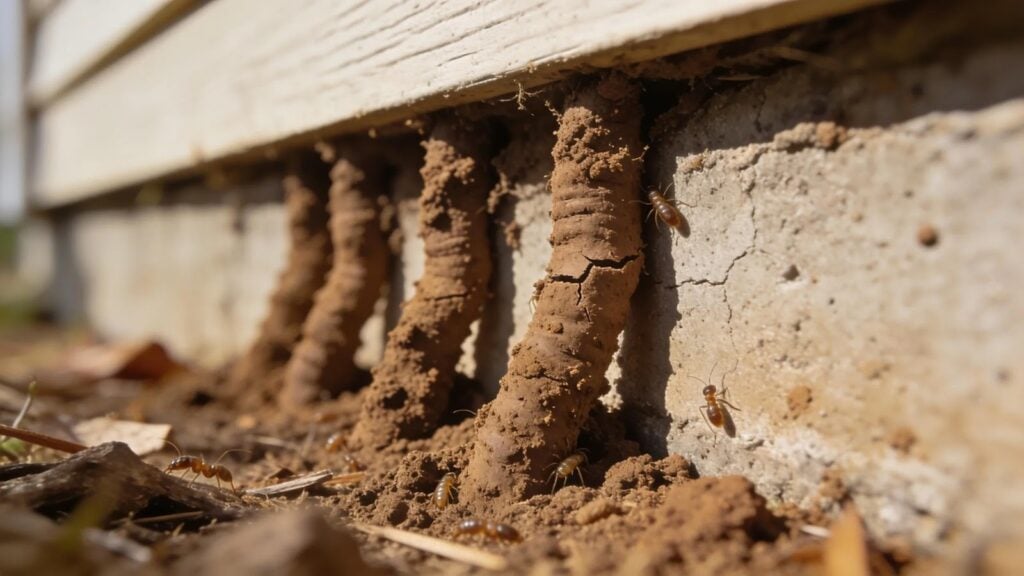
Mud tubes are protective tunnels termites construct to move between underground colonies and food sources above ground. They appear along walls, foundations, or beams and have a rough texture composed of soil and wood particles. Noticing these tubes early is critical, as they signify active termite movement. For expert assistance, consider contacting Valley Wide Pest Control services.
Buckling Floors or Bubbling Paint
Buckling floors or bubbling paint can be mistaken for water damage but may indicate termite-related wood distortion. Termite consumption undermines structural support and can produce surface deformation. Inspect areas showing these signs and investigate further to limit repair scope through early action.
Expert Insights on Detection and Prevention
Effective termite management begins with regular inspections and assessment of your property’s risk factors; these steps lower the likelihood of infestation. Preventative pest control measures form a central part of this strategy.
- Regular Inspections: Homeowners should schedule professional inspections at least once a year
- This proactive approach helps identify termite activity early before significant damage occurs.
- Moisture Control: Termites thrive in humid environments. Ensuring proper drainage around the home and repairing any leaks can help mitigate moisture buildup that attracts termites.
- Education on Termite Behavior: Understanding the types of termites common in your area, such as subterranean and drywood termites, can help homeowners recognize the specific signs of infestation.
What Are the First Visible Signs of Termite Infestation?
Initial visible signs often include changes in wood—hollow sounds or visible damage—and the presence of mud tubes or frass. Recognizing these indicators early is essential to prevent serious and costly infestations.
How to Identify Mud Tubes and Their Importance in Early Detection
Mud tubes are typically about the width of a pencil and are made from soil and wood particles. Their presence indicates an active colony feeding on wooden structures. Check foundation walls, crawl spaces, and basements where termites commonly enter.
Recognizing Swarming Termites: When to Be Concerned
Swarming usually occurs in spring when winged termites leave colonies to establish new nests. Large numbers of winged insects around a property indicate a mature nearby colony and a heightened risk of rapid structural damage; address swarming promptly.
Which Common Termite Damage Indicators Should Homeowners Watch For?
Several indicators can signal a potential termite infestation. Homeowners should be alert for mud tubes, hollow-sounding wood, and frass, all of which merit immediate attention.
- Mud Tubes: These structures are a clear sign that termites are moving about.
- Hollow-Sounding Wood: This indicates internal damage to wood structures.
- Frass: The presence of these droppings suggests a thriving termite colony nearby.
These signs warrant prompt action to protect your property from extensive damage.
Spotting Hollow or Damaged Wood Structures Early
Early detection of hollow or damaged wood reduces repair costs. Use a hammer or screwdriver to tap or press wood surfaces; a professional pest control service should inspect soft or hollow-sounding areas.
Identifying Frass and Its Role in Termite Presence Confirmation
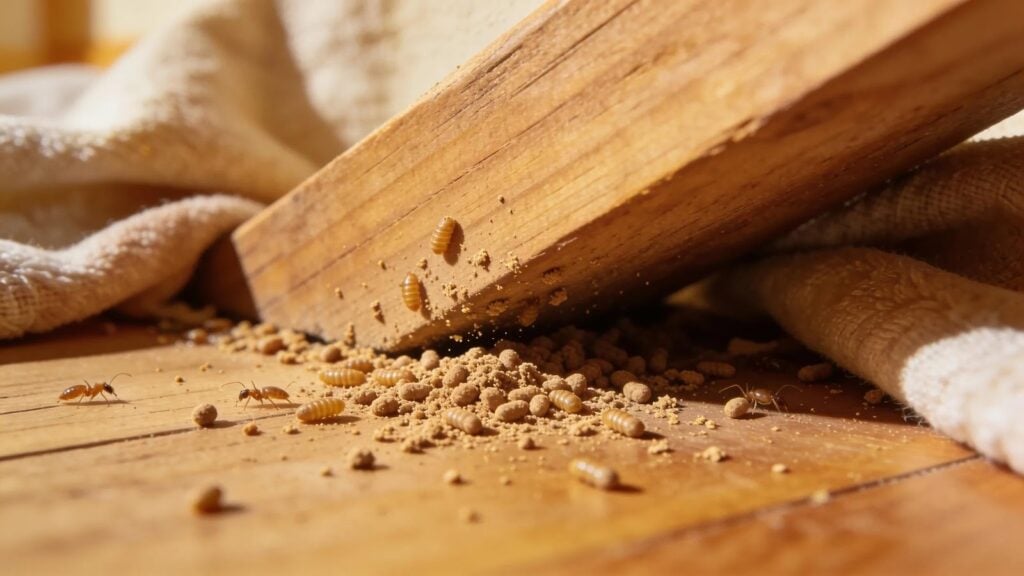
Frass—termite droppings that resemble small wood pellets—provides clear confirmation of termite activity. Collect samples if found and consult pest control professionals for assessment and remediation.
How Can You Perform an Effective Termite Inspection on Your Property?
A thorough termite inspection requires attention to detail and knowledge of common problem areas. Homeowners should focus on:
- Inspecting Wooden Structures: Check for hollow sounds or small holes in wood.
- Looking for Mud Tubes: Examine walls and foundations for visible signs of mud tubes.
- Checking for Frass: Look for droppings or discarded wings in various locations throughout the property.
Regular inspections and proactive measures significantly reduce the risk of termite infestations.
Step-by-Step Guide to Inspecting Key Areas for Termite Signs
- Examine the Perimeter: Inspect the foundation, walls, and areas where wood contacts soil or moisture.
- Inspect Inside the Home: Carefully examine wooden beams, floors, and areas near windows and doors.
- Look for Mud Tubes in Crawl Spaces: Check for any signs of mud tubes in crawl spaces or at roof eaves.
This systematic approach helps reveal signs early and enables timely intervention.
When and Why to Schedule Professional Termite Inspection Services
Professionals can detect subtle signs an untrained eye may miss. Homeowners should consider scheduling these inspections:
- After Swarming Season: As swarming termites are active, booking an inspection during or shortly after this period is advisable.
- If Damage is Suspected: If any signs of damage or presence are detected, an expert inspection can determine the extent of the infestation.
What Preventative Termite Control Measures Are Recommended?
Preventative measures significantly lower the risk of termite infestations. Key strategies include:
- Regular Inspections: Schedule annual inspections to catch any issues early.
- Moisture Control: Address leaks from roofs and faucets, and standing water issues, promptly.
- Sealing Entry Points: Ensure that all gaps and openings are sealed properly to keep termites out.
Implementing these steps helps protect your home from termite damage.
Best Practices for Termite Treatment Options Available Locally
When an infestation is confirmed, treatment options vary. Common methods include:
- Baiting Systems: Installing bait stations around the property to attract and eliminate termites.
- Insecticide Treatments: Applying insecticides to affected areas and nests can provide immediate relief.
- Fumigation: In severe cases, full-house fumigation may be necessary to eradicate termites.
Consult local pest control experts to select the appropriate treatment for your situation.
How Regular Maintenance and Monitoring Reduce Termite Infestation Risks
Regular maintenance and monitoring reduce termite risk. Homeowners should:
- Monitor for Water Damage: Look for signs of dampness or water damage around the home.
- Regularly Inspect Wood Structures: Frequent checks can catch early signs of damage and allow for swift intervention.
Adhering to maintenance routines helps safeguard properties against termite activity.
Why Is Recognizing Local Termite Species Crucial for Early Warning?
Knowing local termite species improves early detection and management. In California, common species include:
- Subterranean Termites: These species often cause structural damage, live in the soil, and enter homes through cracks in the foundation.
- Drywood Termites: These typically infest wood structures directly, making them less noticeable until significant damage has occurred.
Understanding California’s Common Termite Species and Their Behaviors
California hosts several termite species with distinct behaviors. Subterranean termites form extensive underground colonies, while drywood termites remain within the wood they consume. Recognizing local species supports more targeted prevention and treatment.
How Species Knowledge Enhances Targeted Termite Control
Species knowledge aids identification and informs treatment selection. Understanding behavior patterns improves baiting and treatment plans, making control measures more efficient and less intrusive.
When Should Homeowners Contact a Professional Termite Control Service?
Homeowners should contact professional termite control services when any of the following apply:
- Signs of Infestation Are Apparent: Sightings of swarming termites or evidence of mud tubes signal the need for immediate action.
- Severe Damage Occurs: If structural damage is apparent, professionals can assess the damage and recommend necessary repairs and treatments.
Key Indicators Necessitating Immediate Professional Intervention
Seek immediate assistance if you notice:
- Hollow-Sounding Wood: This indicates significant structural damage.
- Mud Tubes: Confirming an active infestation that requires prompt attention.
What to Expect from Professional Termite Inspection and Treatment Services
A professional inspection typically includes a thorough property examination, identification of entry points, and a detailed report. Homeowners can expect:
- Comprehensive Reports: Detailed information about the assessment and recommendations for treatment.
- Treatment Plans: Tailored strategies for eradicating termites and preventing future infestations.
Understanding these processes keeps homeowners informed when addressing termite issues. For comprehensive pest management solutions, homeowners can contact professional services.
Frequently Asked Questions
1. How can I prevent termite infestations from occurring in the first place?
Prevent termite infestations with proactive measures: schedule regular inspections by a qualified pest control professional, control moisture through repairs and improved drainage, ensure proper crawl space ventilation, keep wood piles away from the foundation, and seal cracks and entry points. These actions substantially reduce termite risk.
2. What should I do if I suspect a termite infestation?
If you suspect a termite infestation, act promptly: document signs such as mud tubes, hollow-sounding wood, or frass and gather evidence. Contact a pest control expert for a comprehensive inspection and assessment. Prompt action limits further damage and clarifies treatment options.
3. How often should I schedule a termite inspection?
Have a professional termite inspection at least once a year. In high-risk areas or following a prior infestation, consider semiannual or quarterly checks. Regular inspections help detect activity early and prevent extensive damage.
4. What are the costs associated with termite treatment?
Costs vary by infestation severity and treatment type—baiting systems, localized insecticide application, or fumigation. On average, homeowners can expect to pay between $200 and $2,500 depending on the methods used and the size of the affected area. Obtain quotes from multiple pest control companies to determine the most suitable option.
5. Are there any natural remedies for termite control?
Professional pest control is often necessary for serious infestations, but some natural measures may help deter termites. Boric acid applied to wood can act as a preventive treatment, and diatomaceous earth may be used around entry points. These methods are generally appropriate for minor issues and should not replace professional inspections and treatments.
6. What makes certain homes more susceptible to termite infestations?
Homes are more susceptible when conditions favor termite survival: excessive moisture from poor drainage or leaks, wooden structures in direct contact with soil, wood piles near foundations, and poorly maintained landscaping. Regular maintenance and moisture control are essential to lower these risks.
7. How long does it take to eliminate a termite infestation effectively?
Elimination time depends on the chosen treatment and the extent of the infestation. Localized insecticide applications can yield results within days, while comprehensive fumigation may take several days and require temporary vacating. A pest control professional will provide a timeline after inspection.
Conclusion
Recognizing early termite warning signs is essential to protect your home from costly damage. By identifying indicators such as hollow-sounding wood and mud tubes, homeowners can take proactive measures. Arrange a professional inspection promptly to ensure your property remains secure, and review our expert pest control solutions to address concerns effectively.