
Finding ants in your kitchen often signals a developing infestation that warrants prompt attention. Ants live in organized colonies and enter homes when they locate food or suitable nesting sites. This article explains how to recognize signs of infestation, what attracts ants, and effective control methods for your home. It also outlines when professional ant control services are appropriate and which preventive steps help keep your kitchen ant-free. To learn more about professional pest control solutions, you can visit Valley Wide Pest Control.
What Are the Common Signs of Ant Infestation in Your Kitchen?
Early detection limits damage and expense. Typical signs include visible ant trails, repeated sightings of workers, and nests or nesting activity in and around the kitchen.
How to Recognize Ant Trails and Nests Indoors
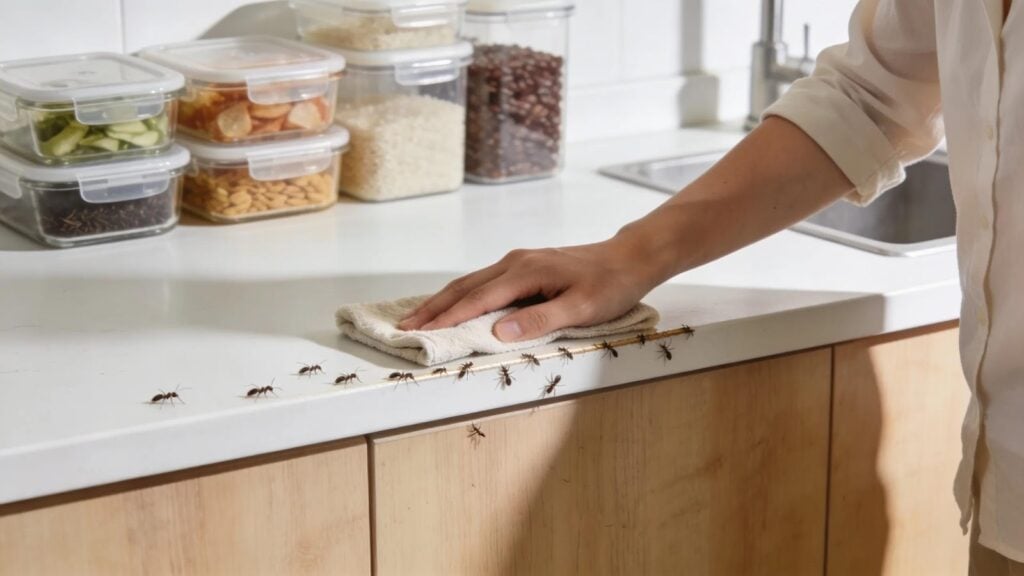
Ant trails form when workers lay pheromone paths to reliable food sources; these appear as lines or small groups of ants moving in sequence. Nests favor warm, dark, humid locations such as behind appliances, within wall voids, or under sinks. Recognizing these behaviors helps pinpoint infestation sites for treatment.
Which Ant Species Are Most Common in San Joaquin Valley Kitchens?
In the San Joaquin Valley, common kitchen invaders include carpenter ants, odorous house ants, and Argentine ants. Carpenter ants can damage wood, odorous house ants release a characteristic odor when crushed, and Argentine ants form extensive, multi-nest colonies that complicate control. Each species has distinct habits that affect treatment selection.
What Attracts Ants to Your Kitchen and Causes Infestations?
Ants enter kitchens primarily for food, moisture, and shelter. Kitchens often provide all three, creating attractive conditions for colony establishment.
Which Foods and Conditions Invite Kitchen Ants Indoors?
Ants are drawn to sugars, oils, proteins, and any exposed or inadequately sealed food. Leaks and spills increase moisture that attracts them, and clutter or poor cleanliness offers shelter and nesting opportunities. Consistent cleaning reduces these attractants and lowers the risk of infestation.
How Seasonal Changes Influence Ant Activity in Fresno Homes
Seasonal patterns affect ant activity: colonies expand and forage more in spring and summer, while colder weather can push ants indoors in search of warmth. Awareness of these patterns helps homeowners anticipate and limit incursions.
How To Get Rid of Ants: Professional Kitchen Ant Removal and Control Options
Address infestations promptly and systematically. Professional pest management services provide inspections, species identification, and targeted treatments to resolve ant issues safely and effectively.
What Types of Professional Ant Control Services Are Available?
Professional service typically begins with a detailed inspection to determine the species and the extent of the infestation. Technicians then propose customized treatment plans that may include baiting, trapping, exclusion, and targeted application methods tailored to the identified species.
How Do Ant Bait Treatments Compare with Spray Applications?
Bait treatments attract foraging ants to a toxicant they carry back to the colony, addressing the nest. Spray applications kill visible ants on contact but often do not reach the nest. Choice of method depends on infestation severity and whether a long-term colony solution or immediate reduction is the priority.
When Should You Schedule Professional Pest Control for Ant Infestations?
Schedule professional intervention when ant activity increases, nests are visible, or sightings persist despite basic control efforts. Prompt treatment prevents escalation and reduces the likelihood of recurring issues.
What Are the Risks of Delaying Ant Control in Your Kitchen?
Delay can lead to food contamination and, with species such as carpenter ants, potential structural damage. Left untreated, infestations typically require more extensive and costly treatments.
How to Arrange a Free Estimate and Customized Service Plan with Valley Wide Pest Control Inc
To arrange a consultation or free estimate, contact Valley Wide Pest Control Inc at +1 (559) 285-8181. You will provide details about the infestation so technicians can recommend a tailored service plan. Expect a comprehensive evaluation and practical options to manage the problem. For more information on how to get started, consider their contact options.
How to Prevent Future Kitchen Ant Infestations: Expert Tips and Home Remedies
Prevention depends on consistent, proactive measures. Implementing professional preventative pest control and sound household practices reduces the likelihood of future infestations.
Which Kitchen Hygiene Practices Minimize Attracting Ants?
Implementing and maintaining solid kitchen hygiene is essential. Some key practices include:
- Regular Cleaning: Wipe down counters and clean up spills immediately to deter ants.
- Seal Food: Store foods in airtight containers to limit access.
- Manage Waste: Dispose of garbage regularly and ensure trash bags are sealed.
What Safe Home Remedies Can Help Supplement Professional Pest Control?
Home remedies can supplement professional measures. Common options include:
- Vinegar Solutions: A mixture of water and vinegar can disrupt ant trails and deter ants from entering.
- Essential Oils: Using peppermint or tea tree oil may repel ants due to their strong scents.
- Diatomaceous Earth: Sprinkling food-grade diatomaceous earth in entry points can be effective against crawling insects.
Combining consistent hygiene with professional pest control significantly reduces the risk of future kitchen infestations.
Frequently Asked Questions
How can I tell if I have an ant colony nearby?
An ant colony is often indicated by visible trails leading to a specific site where ants congregate. Check for small piles of soil or debris near baseboards, under cabinets, or inside wall voids. Multiple ants moving in a straight path typically signal active traffic to and from a nest. Regular monitoring helps detect problems early.
What long-term prevention strategies can I implement?
For long-term prevention, maintain strict kitchen hygiene, store food in sealed containers, and seal any cracks around windows, doors, and walls. A continuous pest control plan with professionals can provide ongoing protection and reduce recurrence.
What should I do if I find an ant nest inside my house?
If you locate an indoor nest, avoid disturbing it to prevent colony dispersal. Contact a professional pest control service for assessment and targeted treatment. Technicians commonly use baiting or other methods that remove the nest while minimizing risk to household members.
Are homemade ant traps effective?
Homemade traps can reduce minor ant activity, particularly when paired with good sanitation. A sugar-water mixture with borax is a commonly used DIY option that attracts ants and disrupts colony members. For larger or persistent infestations, professional treatment is recommended.
Do ants pose health risks to my family?
Ants themselves do not typically carry diseases, but they can contaminate food and surfaces and, in some cases, transport bacteria that lead to foodborne illness. Prompt control and proper food handling help mitigate these risks.
How often should I perform inspections for ant activity?
Conduct routine inspections at least monthly, focusing on kitchens and likely entry points. Look for trails, nests, and food sources. If activity increases, engage a pest control service for a more thorough assessment and treatment.
Conclusion
Prompt action against kitchen ants helps protect your home from contamination and potential structural damage. Understanding ant behavior and engaging professional pest control services enables effective management and prevention. Maintain regular maintenance and proactive hygiene to keep your kitchen safe and ant-free. Contact Valley Wide Pest Control today to learn more about safeguarding your home from unwanted pests.