
By Marketing Team, Valley Wide Pest Control
Bed bugs are highly resilient and reproduce quickly, so effective treatment is essential for homeowners. Many attempts at DIY control lead to frustration and incomplete eradication. This article explains why DIY methods often fail and outlines the proven strategies professional exterminators use. Readers will learn common DIY pitfalls, the signs of infestation, and the comprehensive tactics experts employ to secure long-term control. With this information, homeowners can make informed decisions and achieve lasting results.
This guide combines experience-based practices and industry-standard methods to help homeowners understand what to expect from professional services and how to support treatment success.
Why Does DIY Bed Bug Treatment Often Fail?
DIY bed bug treatments commonly fail for several reasons. A primary issue is misidentification: homeowners may mistake other insects for bed bugs and apply incorrect remedies. Many DIY approaches also lack the thoroughness needed to eliminate all life stages—eggs, nymphs, and adults. Without scheduled follow-up, surviving insects can quickly repopulate the area and sustain the infestation.
DIY kits or household remedies may temporarily reduce visible insects, but often miss hidden nests, giving a false sense of success.
Recognizing these limitations is important for homeowners considering DIY options and underscores the value of professional intervention for reliable control.
What Are the Common Mistakes in DIY Bed Bug Control?
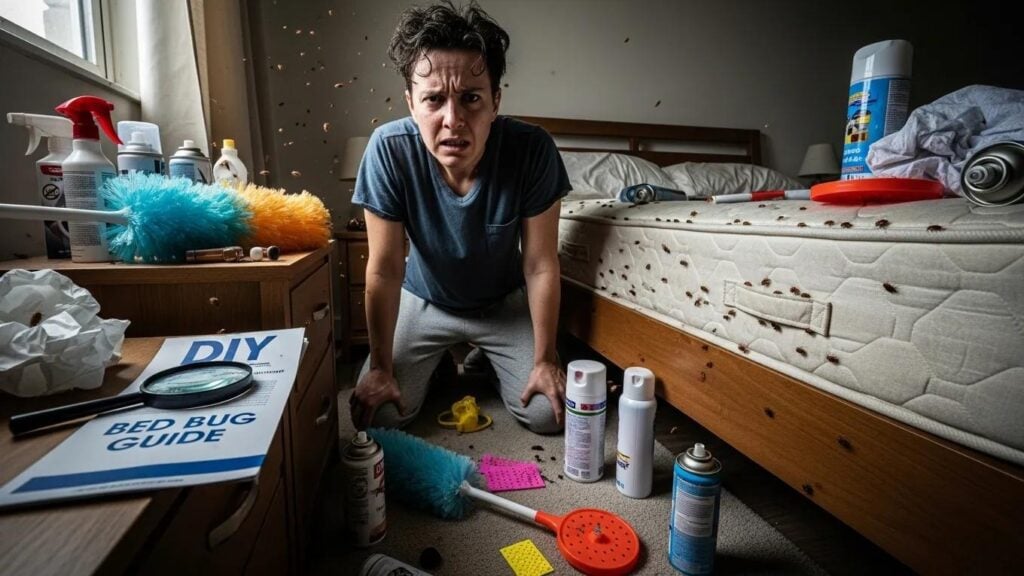
Homeowners frequently make errors that worsen infestations rather than resolve them. Common mistakes include:
- Incomplete Identification of Pests: Failing to identify bed bugs accurately can lead to inappropriate treatment methods.
- Improper Treatment Methods: Many DIY solutions fail to address all life stages of bed bugs, allowing them to survive and reproduce.
- Failure to Treat Entire Areas: Bed bugs can hide in various locations, and neglecting to treat all potential hiding spots can result in reinfestation.
Recognizing these pitfalls helps homeowners understand the limits of DIY methods and the need for professional expertise.
Using broad-spectrum insecticides incorrectly can create safety hazards and may drive bugs deeper into hiding, complicating later professional treatment.
How Does Incomplete Eradication Lead to Reinfestation?
Incomplete eradication directly results in reinfestation. If treatments do not destroy eggs or other life stages, remaining bugs repopulate and the infestation returns. Misidentification and the absence of follow-up inspections and treatments allow survivors to establish new populations and complicate control efforts.
This cycle demonstrates why thorough, professional pest control is necessary to achieve complete eradication.
How Do Professional Exterminators Identify Signs of Bed Bug Infestation?
Professional exterminators use multiple methods to identify bed bug infestations accurately. Their approach includes:
- Visual Inspections: Trained professionals conduct thorough visual inspections of common hiding spots, such as mattresses, bed frames, and furniture.
- Canine Inspections: Some exterminators employ specially trained dogs that can detect bed bugs through their keen sense of smell, providing an additional layer of accuracy.
- Black Light Inspections: Using black lights, professionals can identify bed bug fecal spots and shed skins, which are often invisible to the naked eye.
These inspection techniques allow exterminators to confirm the presence and assess the extent of the infestation, enabling treatment plans tailored to the situation.
Professionals also document findings, take photographs when needed, and provide written reports to help homeowners track treatment progress and follow-up needs.
Research indicates that detection methods vary in reliability, ranging from direct visual checks to advanced options such as canine detection and specialized monitors.
Bed Bug Detection: DIY Visuals vs. Professional Technologies
Visual inspections rely on finding live insects, exuviae (shed skins), or fecal droplets. They are low-cost but can be time-consuming and unreliable when only a few bugs are present. Canine detection is gaining use for its sensitivity, but it can be costly, may unintentionally advertise a bed bug issue, and is not infallible. Passive monitors mimic natural harbourages and typically use adhesive to trap bugs. Active monitors attract bed bugs using carbon dioxide, heat, pheromones, or a combination of cues.
Bed bug detection: current technologies and future directions, MF Feldlaufer, 2013
What Are the Key Indicators of Bed Bug Presence?
Early detection depends on recognizing key indicators of bed bug activity. Homeowners should watch for:
- Bite Marks: Small, red, itchy welts on the skin, often in a line or cluster, can indicate bed bug bites.
- Fecal Spots: Dark, small spots on bedding or furniture indicate bed bug droppings.
- Shed Skins: As bed bugs grow, they shed their exoskeletons, which can be found in areas where they hide.
Noticing these signs early enables prompt action to address infestations before they worsen.
How Does Expert Inspection Differ from DIY Detection?
Expert inspections differ from DIY detection in several important ways. Professionals apply a systematic approach that includes:
- Thorough Inspections: Exterminators conduct detailed inspections of all potential hiding spots, ensuring no area is overlooked.
- Use of Specialized Tools: Professionals utilize advanced tools and techniques, such as thermal imaging and canine detection, to identify bed bugs more effectively.
- Systematic Approach: The structured methodology used by professionals allows for a comprehensive assessment of the infestation, leading to more effective treatment plans.
This level of expertise and thoroughness is often absent in DIY efforts, which can result in missed infestations and ineffective treatments.
What Are the Professional Bed Bug Treatment Methods Used by Experts?
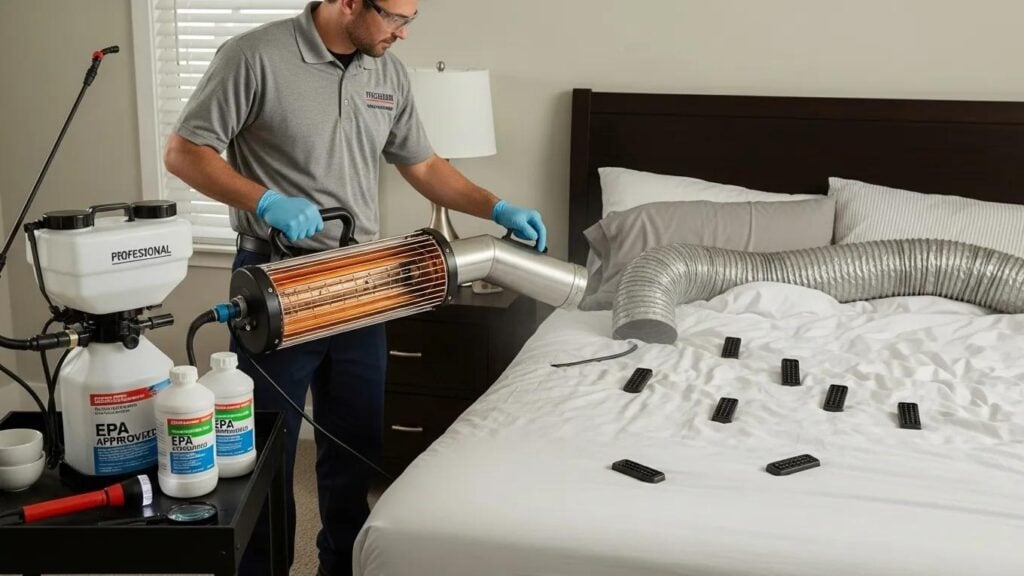
Professional exterminators deploy a range of proven treatment methods to achieve complete bed bug eradication. These include:
- Integrated Pest Management (IPM): This holistic approach combines multiple strategies, including monitoring, prevention, and treatment, to manage bed bug populations effectively.
- Heat Treatments: Professionals use specialized equipment to raise the temperature in infested areas, effectively killing bed bugs at all life stages.
- Follow-Up Visits: After initial treatments, exterminators often schedule follow-up visits to ensure that the infestation has been completely eradicated.
Technicians commonly combine targeted chemical applications with physical measures—sealing cracks, encasing mattresses, and advising on laundering protocols—to cover vulnerabilities and reduce the chance of reinfestation.
These combined methods address the complexities of infestations and provide homeowners with long-term, reliable solutions.
| Treatment Method | Description | Effectiveness |
|---|---|---|
| Integrated Pest Management | Combines monitoring, prevention, and treatment strategies | High |
| Heat Treatment | Raises the temperature to eliminate all life stages | Very High |
| Chemical Treatments | Uses targeted pesticides for effective extermination | High |
The table summarises professional treatment options and their relative effectiveness, illustrating the comprehensive approach exterminators use.
How Does Bed Bug Heat Treatment Work and Why Is It Effective?
Heat treatment eliminates bed bugs by raising temperatures in infested areas to lethal levels. Typically, temperatures between 120°F and 140°F are maintained for a set period to ensure all life stages, including eggs, are destroyed. Bed bugs cannot survive prolonged exposure to these temperatures, which makes heat a reliable eradication method.
Technicians monitor temperatures with probes at multiple points to confirm lethal levels are reached throughout the space and to reduce the chance of survival in insulated harborage sites.
Heat treatment is also chemical-free, which reduces exposure concerns for homes with children and pets. Understanding how heat works clarifies why it is a primary option for complete removal.
Although highly effective, heat remediation can fail in some cases if lethal temperatures do not reach certain harborage areas or if re-infestation occurs after treatment.
Bed Bug Thermal Remediation Challenges & Survival Factors
Bed bug control often requires both chemical and non-chemical approaches. Thermal remediation is a common non-chemical option, but bed bugs can survive heat treatments in some circumstances. Survival may result from (i) abiotic factors that prevent lethal temperatures in harborage areas for the required duration, (ii) re-infestation from insects that escaped to cooler zones during treatment, or (iii) development of physiological traits that permit survival of heat exposure.
Bed bugs (Cimex lectularius L.) exhibit limited ability to develop heat resistance, AR Ashbrook, 2019
What Role Do Chemical Treatments Play in Professional Extermination?
Chemical treatments are an important component of professional bed bug control and often complement non-chemical methods like heat. Exterminators use pesticides formulated to target bed bugs while minimizing risks to people and pets. Applications are applied strategically to likely harbourages to ensure thorough coverage.
Professionals choose formulations approved for indoor use and follow label directions to comply with regulations and reduce exposure when chemicals are required.
Effectiveness depends on the pesticide chosen, the application technique, and the timing of treatment. Trained professionals select and apply chemicals to maximize results while observing all safety protocols.
How Does Valley Wide Pest Control Customize Bed Bug Treatment Plans?
Valley Wide Pest Control tailors bed bug treatment plans to each client’s situation. The customization process includes:
- Assessment Methods: Professionals conduct thorough inspections to determine the extent of the infestation and identify the best treatment options.
- Treatment Options: Based on the assessment, exterminators recommend a combination of methods, including heat treatments, chemical applications, and follow-up visits.
- Follow-Up Procedures: Customized plans often include scheduled follow-up visits to monitor progress and ensure the treatment has been successful.
Estimates typically include a clear scope of work, timelines, and any homeowner preparations required before treatment begins, so clients understand expectations and responsibilities.
This tailored approach improves treatment effectiveness and provides clients with a comprehensive solution to their pest issues.
What Preventive Strategies Are Included in Customized Plans?
Valley Wide’s customized bed bug plans include preventive strategies designed to reduce the risk of future infestations. These strategies may include:
- Regular Inspections: Scheduling routine inspections can help identify potential issues before they escalate into full-blown infestations.
- Education on Bed Bug Behavior: Homeowners are taught to recognize signs of bed bugs and adopt best practices for prevention.
- Use of Encasements: Mattress and box spring encasements can prevent bed bugs from hiding and breeding in these areas.
Homeowners are given clear instructions on laundry, vacuuming, and minimizing clutter to support treatment effectiveness and reduce future risk.
Implementing these preventative measures is key to maintaining a bed bug-free environment and achieving long-term success.
How Does Local Expertise Enhance Treatment Success?
Local expertise contributes significantly to treatment success. Technicians who understand the conditions in the Fresno and San Joaquin Valleys can adapt methods to local pest behavior, environmental factors, and common sources of infestation.
Technicians who work regularly in a region know which entry points, building materials, and housing patterns commonly harbor bed bugs, allowing them to target treatments more effectively.
Applying local knowledge enables exterminators to design more effective, site-specific treatment plans that improve outcomes for homeowners.
What Is the Cost of Professional Bed Bug Extermination and What Guarantees Are Offered?
Costs vary according to infestation severity, property size, and the methods used. On average, homeowners can expect to pay between $300 and $1,500 for comprehensive bed bug treatment services.
Valley Wide Pest Control offers satisfaction guarantees for its services, ensuring clients receive effective treatment and ongoing support. This commitment to quality and customer satisfaction distinguishes their service offering.
How Are Bed Bug Treatment Costs Determined?
Bed bug treatment costs are influenced by several factors, including:
- Property Size: Larger properties typically require more extensive treatment, which affects costs.
- Infestation Severity: The extent of the infestation determines the complexity and duration of treatment.
- Repair Needs: If the infestation has caused damage, repair costs may be included in the overall price.
Understanding these factors helps homeowners prepare for the financial aspects of professional extermination.
What Warranties and Satisfaction Guarantees Does Valley Wide Provide?
Valley Wide Pest Control offers warranties and satisfaction guarantees to build client confidence. These may include:
- Satisfaction Guarantees: Clients can expect a commitment to effective treatment, with follow-up services provided if necessary.
- Conditional Guarantees: Warranties may be contingent on adherence to recommended preventive measures post-treatment.
- Follow-Up Services: Regular follow-up visits are often included to monitor the situation and address any lingering issues.
These guarantees demonstrate Valley Wide’s commitment to customer satisfaction and effective pest control solutions.
How Can Homeowners Permanently Get Rid of Bed Bugs with Professional Help?
Permanent eradication is achievable when homeowners engage professional pest control services. The process typically involves:
- Comprehensive Inspection: Professionals conduct thorough inspections to assess the extent of the infestation.
- Targeted Treatment: Based on the inspection, exterminators implement a combination of methods tailored to the specific situation.
- Ongoing Monitoring: Regular follow-up visits help ensure that the treatment has been successful and that no new infestations occur.
Following these steps enables homeowners to eliminate bed bugs effectively and reduce the risk of future infestations.
What Integrated Pest Management Practices Ensure Long-Term Control?
Integrated Pest Management (IPM) practices are fundamental to long-term bed bug control. Key components include:
- Prevention Strategies: Implementing measures to reduce the likelihood of infestations, such as regular inspections and education.
- Monitoring Techniques: Ongoing monitoring helps identify potential issues before they escalate.
- Control Tactics: Utilizing a combination of treatment methods, including chemical and non-chemical approaches, to manage bed bug populations effectively.
These practices create a structured framework for sustained control and help prevent bed bugs from returning.
Research supports the effectiveness of IPM in reducing bed bug incidences, though achieving total elimination in complex, multiunit environments can remain challenging.
Integrated Pest Management for Bed Bug Reduction
The evidence shows that IPM-based programs can significantly reduce bed bug incidence and related health impacts in multiunit housing. However, complete elimination in such environments is difficult and requires sustained, coordinated efforts.
Pest management strategies for bed bugs (Hemiptera: Cimicidae) in multiunit housing: a literature review on field studies, A Romero, 2017
How Does Ongoing Monitoring Prevent Future Infestations?
Ongoing monitoring is a key element of effective pest control and helps prevent future infestations. Regular inspections let professionals detect early signs of bed bugs and respond promptly. Follow-up visits confirm the success of prior treatments and identify any new activity.
Many companies offer low-cost monitoring plans that use traps and scheduled checks to detect early activity and reduce the likelihood of a large resurgence.
A proactive monitoring program reduces the risk of reinfestation and supports a sustained, pest-free environment for homeowners.
How to Schedule Professional Bed Bug Treatment Services in Fresno and the San Joaquin Valley?
Scheduling treatment with Valley Wide Pest Control is straightforward. Homeowners should contact the company to discuss concerns and arrange an initial inspection. During the assessment, professionals evaluate the situation and recommend appropriate treatment options.
Valley Wide prioritizes customer support and delivers timely, effective service throughout the treatment process.
What Is the Process for Requesting a Free Bed Bug Treatment Estimate?
Requesting a free estimate from Valley Wide Pest Control involves a few simple steps:
- Contact Information: Homeowners should provide their contact details to initiate the process.
- Description of the Issue: Clients are encouraged to describe their concerns and any signs of infestation they have observed.
- Scheduling an Inspection: Valley Wide will arrange a convenient time for a professional inspection to assess the situation.
This streamlined process ensures homeowners can quickly access professional support for bed bug concerns.
How Does Valley Wide Ensure Reliable and Timely Service?
Valley Wide Pest Control is committed to reliable, timely service. The company emphasizes:
- Initial Contact Process: Prompt responses to inquiries ensure that clients receive timely assistance.
- Customized Treatment Plans: Each treatment plan is tailored to the client’s specific needs, enhancing effectiveness.
- Follow-Up Services: Regular follow-up visits are scheduled to monitor the situation and address any lingering issues.
This focus on service quality sets Valley Wide apart in the pest control industry and ensures clients receive the support they need.
Frequently Asked Questions
What Are the Long-Term Benefits of Professional Bed Bug Treatment?
Professional bed bug treatment delivers long-term benefits that DIY methods typically cannot match. Exterminators apply comprehensive strategies that target all life stages, reducing the chance of reinfestation. They provide ongoing monitoring, follow-up services, and education on prevention. Overall, investing in professional treatment yields greater assurance and a healthier living environment.
How Can Homeowners Prepare for a Professional Bed Bug Treatment?
Homeowners can take several practical steps to prepare for treatment. Decluttering infested areas provides easier access for technicians. Washing and drying bedding and clothing at high temperatures helps remove hidden insects. Moving furniture away from walls facilitates inspections. Open communication with the exterminator about observed signs ensures a tailored treatment plan. These preparations improve treatment effectiveness.
Before a scheduled treatment, seal items in plastic bags, label treated items, and follow the technician’s instructions on re-entry times after heat or chemical treatments to maintain safety and effectiveness.
What Should Homeowners Expect During a Bed Bug Inspection?
During an inspection, trained professionals will conduct a systematic examination of the property. Inspectors check common hiding places—mattresses, bed frames, furniture—using specialized tools and techniques. They may use canine detection or thermal imaging for hidden infestations. Homeowners should be ready to describe their observations, as this information aids assessment. Inspections typically last from 30 minutes to several hours, depending on property size.
Inspectors may run short tests using traps or monitors to confirm active movement before recommending a full treatment, which helps define the most effective plan.
Are There Any Health Risks Associated with Bed Bugs?
Bed bugs are not known to transmit infectious diseases, but they can cause health issues. Allergic reactions to bites may produce itching, redness, and swelling. Excessive scratching can lead to secondary infections. The stress and anxiety from an infestation can also affect mental health. Prompt professional treatment is important to minimize these risks and restore well-being.
What Are the Signs That a Bed Bug Treatment Has Been Successful?
Indicators of successful treatment include a marked reduction in visible bed bugs—adults, nymphs, and eggs—and the absence of new bite marks. Professionals typically schedule follow-up inspections to verify that there is no further activity. Homeowners may also notice reduced stress and improved comfort in their home.
How Often Should Homeowners Schedule Follow-Up Inspections?
Follow-up inspection frequency depends on the severity of the infestation and the exterminator’s guidance. Generally, visits are recommended within 2 to 4 weeks after initial treatment to confirm eradication. Properties with prior infestations may require more frequent monitoring. Regular inspections help detect reinfestation early and allow for prompt action.
Why Is Professional Treatment Safer Than DIY Methods?
Professional treatment is safer because technicians are trained in the correct use of chemicals and treatment methods, reducing risks to people and pets. Professionals also apply strategies that target all life stages of bed bugs, lowering the chance of reinfestation.
How Long Does a Typical Bed Bug Treatment Take?
Treatment duration varies with infestation severity and chosen methods. Initial treatments often take a few hours, while follow-up visits are scheduled within several weeks to confirm eradication. Consult your exterminator for a specific timeline for your property.
To learn more about preventative pest control, contact us today.
If you have any questions or would like to schedule an inspection, please contact us.
Conclusion
Engaging professional pest control is essential to eradicate bed bugs and prevent future infestations. Comprehensive strategies that address all life stages provide lasting assurance. Choosing experienced professionals like Valley Wide Pest Control ensures a tailored plan that meets your specific needs. Contact us to schedule an inspection and begin the process toward a bed bug-free home.
Timely action, cooperation with the technician, and following post-treatment guidelines are key to a successful outcome and long-term peace of mind.