VALLEY WIDE PEST CONTROL
Blog


Cluster Fly Invasion? How to Identify and Eliminate Them
As the temperatures cool and the days get shorter, your home might seem like a cozy retreat from the weather. But for one uninvited guest, it’s more like an all-inclusive resort. Cluster flies are known for invading homes in large numbers during the cooler months, and their presence can be more than just an annoying sight—it can indicate a bigger problem.
What are cluster flies, why are they so determined to get inside, and how can you stop them from taking over your home? Let’s take a closer look at these persistent pests.
Why Cluster Flies Come Inside
Cluster flies aren’t just looking for food—they’re looking for a warm place to wait out the colder months. These flies are seasonal and tend to invade homes when the weather turns cooler, especially as they search for a place to overwinter. Unlike regular houseflies, cluster flies are a bit more sneaky—they’ll find cracks and crevices in your home and set up camp for the winter.
Cluster flies are attracted to the warmth of your home, and when they find an entry point, they often move in large numbers. They seek shelter in attics, wall voids, or any dark, quiet spaces where they can huddle together until the warmer months arrive. Unfortunately, once they're in, they can be hard to remove, as they often hide out of sight and are difficult to control.
Signs of a Cluster Fly Infestation
Cluster flies are not always immediately noticeable, but when they invade, they can create quite a nuisance. Here are some signs that you might have a cluster fly infestation:
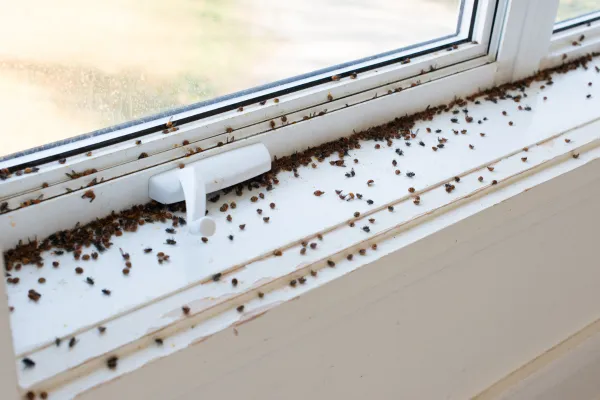
Flies at Windows: One of the most common signs of a cluster fly infestation is seeing large numbers of flies congregating near windows, particularly on sunny days when they’re looking for warmth.
Dead Flies: If you find clusters of dead flies, especially near windowsills or in the attic, that’s a clear sign of an infestation.
Unusual Smell: If you notice a musty odor, it could be caused by the flies’ presence, especially if there is a large colony that has been undisturbed for a while.
Visible Fly Trails: Cluster flies may leave noticeable trails as they fly to and from their nesting spots. This can help you pinpoint where they are hiding.
How Cluster Flies Can Affect Your Home
While cluster flies are not harmful to humans in the same way that other pests might be, they can still cause problems. These flies are known to congregate in large numbers, and their constant activity can create an uncomfortable and unsanitary environment. They tend to leave behind dead flies, droppings, and even secretions that can cause unpleasant odors and stain surfaces.
If left unchecked, the sheer volume of cluster flies can become overwhelming. They can invade attics and wall spaces, and their presence can lead to frustration as they flutter around and leave debris in their wake.
How Valley Wide Pest Control Can Help
If cluster flies have found their way into your home, Valley Wide Pest Control can help. Our team is experienced in identifying and eliminating fly infestations, and we use effective, eco-friendly methods to ensure your home stays pest-free. Here’s how we tackle the issue:
Inspection and Assessment: We begin by conducting a thorough inspection of your home to locate the source of the infestation. Cluster flies often hide in attics, behind walls, and in hard-to-reach spaces, so we make sure to check all potential entry points.
Fly Trapping and Removal: Once we’ve identified the extent of the infestation, we use specialized traps and techniques to remove the cluster flies from your home. Our traps are designed to target these pests without causing harm to your family or pets.
Exclusion Services: Preventing future fly invasions is essential. Our team will seal cracks, gaps, and entry points around windows, doors, and other areas where cluster flies might be sneaking in. We ensure your home is secure from future infestations.
Long-Term Prevention: After we’ve addressed the current infestation, we provide ongoing monitoring to make sure your home remains fly-free. Regular follow-ups can prevent future invasions, keeping your home comfortable and safe.
DIY Cluster Fly Control: What You Can Do
While professional pest control services are often the most effective way to handle a cluster fly infestation, there are a few steps you can take to reduce the chances of flies invading your home:
Seal Entry Points: Inspect your windows, doors, and foundation for any cracks or gaps. Use caulk or weatherstripping to seal these openings, making it harder for flies to get inside.
Install Screens: If you like to keep your windows open, install fine mesh screens to keep flies from entering your home. This is particularly helpful in areas with high fly activity.
Remove Dead Flies Regularly: If you notice dead flies around your windowsills or other areas, clean them up promptly. This helps prevent odors from building up and reduces the chance of attracting more flies.
Use Fly Traps: You can place sticky traps or other types of fly-catching devices around windows and in attics to catch any flies that might be hiding.
Conclusion
Cluster flies might seem harmless at first, but they can quickly become a nuisance if left unchecked. They’re persistent, and their presence in large numbers can make your home feel more like a fly-in hotel than a cozy retreat. If you’re dealing with a cluster fly infestation, don’t wait for it to get worse. Contact Valley Wide Pest Control for expert fly control and prevention services. We’ll help you get rid of those unwanted guests and keep your home fly-free, so you can enjoy peace of mind in a comfortable, pest-free environment.

Get a quote today
Eliminate pests and prevent future problems.
Serving the Central Valley, Monday - Friday
(559) 285-8181

THE BEST IN PESTS. ™