Valley Wide Termite Control Services
Termites can cause serious damage fast — and DIY treatments just don’t cut it.
If you’re dealing with termites or want peace of mind, our licensed experts use the right tools and proven methods to protect your property for the long haul.
or call (559) 285-8181
Protect Your Home from Unwanted Termite Damage
Like This
Get a Free Termite Inspection
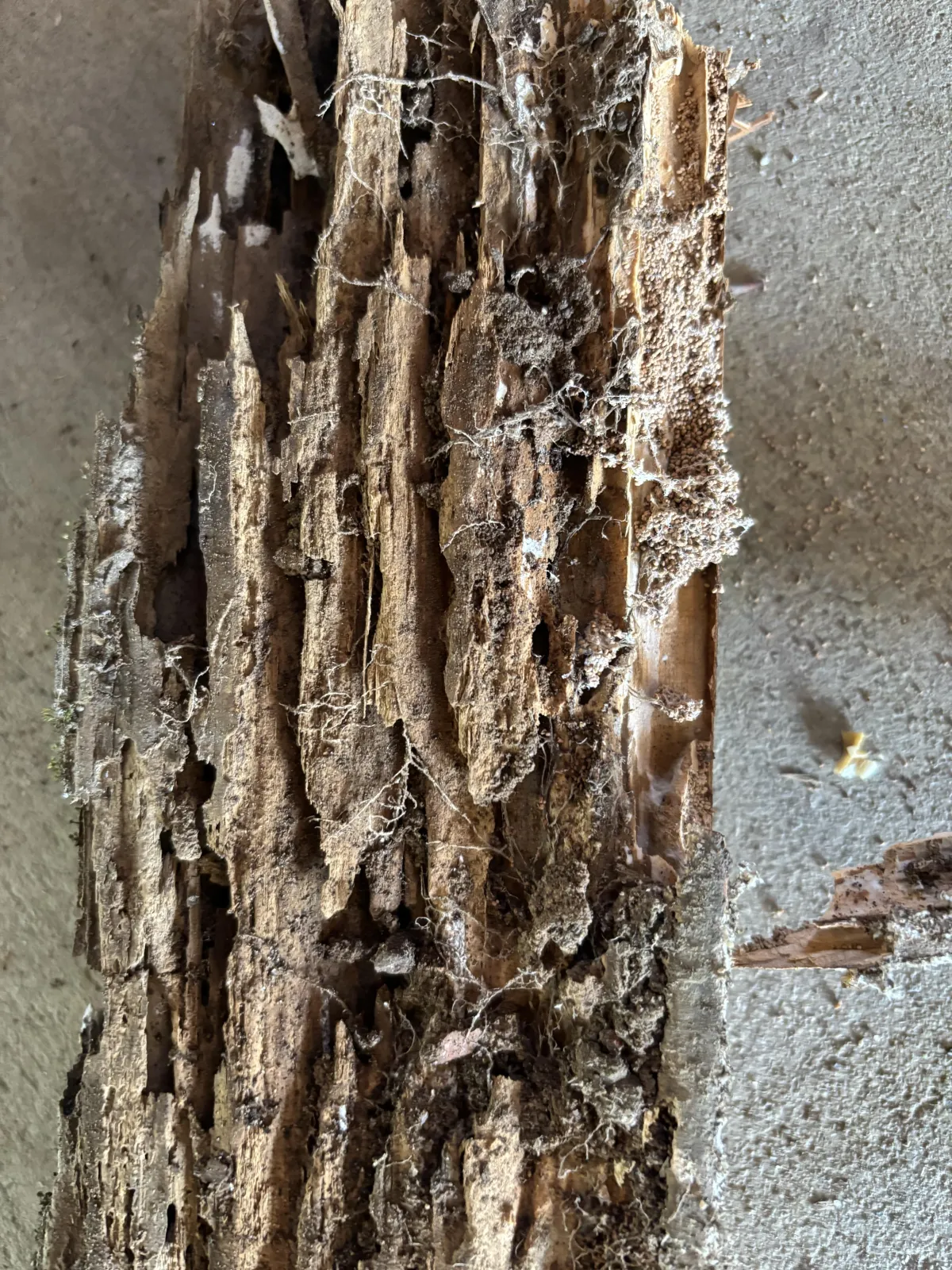
Termite damage isn’t always easy to spot — but if you’ve seen strange patterns in your walls, floors, or woodwork, it might be more than just wear and tear.
At Valley Wide Pest Control, we go beyond industry standards to detect and stop termite infestations before they cause costly damage.
Sign up for your free termite inspection today — and we’ll even send you a print of real termite “art” as a reminder of what we help you prevent.
Discover what customers are saying about
Valley Wide Pest Control termite exterminator
services
“Great experience regarding termite treatment for our house. Technicians Wyatt and Matthew did an excellent job and were very helpful.”
— Larry D.
How to get rid of termites
Learn how you can help treat termite damage.
Get Your Custom Quote
Dealing with pests? We’ve got your back.
Call (559) 285‑8181 or click below to get a fast, no-obligation quote tailored to your home.

VALLEY WIDE PEST CONTROL
We're not happy, until you're happy.
From off-schedule return visits to ongoing support, we’re here to keep your home safe and your mind at ease.
See the Valley Wide Difference
DIY Termite Methods
While there are many DIY and home termite treatment options, mostly they don’t work. Valley Wide Pros have the knowledge, technology and treatments necessary to effectively stop termites in their tracks.

Termite Prevention
Prevention is key to keeping your home safe from the jaws of termites. Through regular termite inspections and treatments, Valley Wide Pros can help prevent severe termite damage to your home.

Home Termite Treatment
Are termites easy to get rid of? Termites are very difficult to get rid of without professional termite exterminators implementing science-based solutions effectively.
Need to Safeguard Your Business?
For decades, Valley Wide has helped businesses of every size stay pest-free. With proven expertise, tailored solutions, and a commitment to service, you can count on us to protect your business like it’s our own.
Termite Experts
Termite Control You Can Count On
At Valley Wide, our experienced professionals are trained to detect and eliminate existing termite threats—and stop new ones from starting. When you choose Valley Wide, you get:
Advanced, industry-proven technology
Decades of real-world termite control expertise
A dedicated Valley Wide Pro trained in all aspects of termite protection
What to Expect: Valley Wide Termite Control
The Valley Wide Approach
Inspect Thoroughly
Our termite inspections leave no stone unturned. We carefully examine your entire property—inside, outside, from the attic to the foundation—for any signs of termite activity or conditions that could invite future infestations.
Target & Treat
When termite activity is detected, we apply precise, targeted treatments using proven methods and professional-grade products to stop the infestation at its source—quickly and effectively.
Fortify Your Home
Alongside treating active termite zones, we proactively safeguard unaffected areas with preventive measures—ensuring your home stays protected if termites try to spread.
Ongoing Vigilance
We’ll reinspect your property upon request or when we determine it’s necessary—staying one step ahead to keep your home termite-free.
Transparent Reporting
Your Valley Wide Pro will provide a detailed service report after every visit, including insights and recommendations to help keep your home protected from termites.
Ongoing Support
We’ll stay connected between your scheduled visits and are always just a call away to address any urgent termite concerns or questions you may have.

Termite Pest Control and Safety
Pet-friendly pest & termite control for your home
At Valley Wide, we take safety seriously. That’s why our expert technicians use a proven, pet-friendly approach designed to protect your home without compromising your family’s well-being. Our customized treatment methods focus on safe, targeted application—prioritizing your peace of mind while eliminating pests.
Is Valley Wide’s Termite Treatment Safe for Pets?
Yes. Our termite solutions are applied at low concentrations—powerful enough to eliminate termites, but safe for your loved ones. We recommend keeping pets away from treated areas until surfaces are fully dry. This ensures maximum effectiveness and peace of mind for your entire household.
Is Termite Control Safe for Your Family?
Absolutely. At Valley Wide, every treatment is applied with care and calibrated to meet your household’s specific needs. If you’re pregnant or have small children, you may choose to vacate the home for a short period after service for extra peace of mind—but our methods are designed to be safe and effective for families.
Frequently Asked Questions
How Much Does Termite Treatment Cost?
The cost for termite treatment will vary, depending on your location and your home’s specific needs. To get a better understanding of how much termite treatment is for your home, schedule a free termite inspection with Valley Wide.
Are Termites Covered by Home Insurance?
Unfortunately, most homeowner’s insurance policies don’t cover termite damage. That’s why proactive prevention matters. Valley Wide offers affordable protection options and regular inspections to help detect signs of termites early—before they cause costly damage.
How are termites treated?
A specialized combination of products and equipment is necessary to effectively treat termite infestations. First, a termite exterminator will analyze the severity of the infestation by performing a complete inspection of your home for termites and their damage. The exact treatment approach will depend on the termite species and the location of the infestation.
What Do Termites Look Like?
Termites are small, soft-bodied insects with straight antennae and chewing mouthparts. Their color can range from creamy white to light brown. Worker termites are usually pale, while swarmer termites—those with wings—tend to be darker in color and are often mistaken for flying ants.
What Are Signs of a Termite Swarm?
A termite swarm is a sign that a colony is mature and ready to expand. This usually happens once a year, when hundreds—sometimes thousands—of winged termites (called alates) emerge to reproduce and establish new colonies. Seeing a swarm near your home, especially around windows, doors, or lights, is a strong indication of nearby termite activity and should be inspected right away.
Do Termites Have Wings?
Yes. Winged termites, known as alates or swarmers, are part of the colony’s reproductive group. These termites have two sets of long, equal-length wings and hard, often dark-colored exoskeletons. If you notice flying termites or discarded wings around your home, it’s a clear sign that a colony may be nearby and an inspection is recommended.
How Big Are Termites?
Most termites range from ¼ inch to ½ inch in length, though size can vary slightly depending on the species and their role in the colony. While they may be small, termites can cause significant damage if left untreated — that’s why early detection is so important.
How to Prepare for Termite Treatment
Start by checking your home for signs of termite activity—like damaged wood, discarded wings near windowsills or floors, and mud shelter tubes along walls or foundations. Then, call Valley Wide Pest Control for a professional inspection. Our experts will assess your home, explain the process, and help you get ready for treatment so we can eliminate the problem effectively and safely.
What Does Termite Damage Look Like?
Termite damage often goes unnoticed until it becomes costly—and dangerous. These silent destroyers feed behind walls, under floors, and inside support beams, weakening the structural integrity of your home. By the time you see visible signs, such as sagging floors, hollow-sounding wood, or bubbling paint, significant damage may already be done. Regular inspections from Valley Wide Pest Control can help catch problems early—before termites take a big bite out of your home.
Where Do Termites Live?
Termites can be found across North America, and they generally fall into three main types: subterranean, dampwood, and drywood termites. Each type has its own preferred habitat and nesting behavior. Subterranean termites build their colonies in the soil and access your home through mud tubes. Dampwood termites are drawn to moisture-rich wood, while drywood termites infest dry, undecayed wood and don’t need contact with soil. That’s why it’s important to know which type you’re dealing with—so we can craft the right solution for your home.
How Do Termites Get Into Your Home?
Subterranean termites—the most common type in many regions—enter homes through underground tunnels. They build pencil-sized mud tubes that provide moisture and protection as they travel from the soil to your home’s foundation or crawl space. These foraging tubes often lead them to cracks in slabs, gaps around plumbing, or any wood that’s in contact with the ground. Once inside, they quietly begin feeding on your home’s structure from the inside out.
How Long Can Termites Survive Without Food?
Termites are relentless when it comes to finding a food source—but without it, their survival is short-lived. While they can go up to two weeks without food, they can only last a few days without water. That’s why they’re constantly seeking moisture-rich environments and wood structures to feed on. Preventing access to both is key to protecting your home.
Can You Get Rid of Termites Completely?
Termites have been around for about 250 million years, making them an active contributor to our environment. In the U.S. alone, there are about 45 active species of termites. In fact, termites live in every U.S. state, except Alaska. While you cannot get rid of termites permanently from the environment, you can help prevent them from taking root in your home and control any active colonies nearby.
How Do Valley Wide Pros Get Rid of Termites?
There are a variety of strategies an exterminator can use to get rid of termites. Connect with an Valley Wide Pro to create an effective termite treatment plan for your home!
How Can You Prevent Termites?
The best termite protection starts with prevention. Whether you’re building a new home or maintaining your current one, proactive steps can make all the difference. Pre-treating the soil before laying the foundation offers strong long-term defense, while managing moisture levels around your home helps eliminate conditions that attract termites. Let Valley Wide help you safeguard your investment before termites ever become a problem.
Do Termite Bait Traps Work?
Yes, termite bait traps can be effective as part of a long-term strategy. These traps help detect infestations and target high-activity areas by using slow-acting treatments that termites carry back to their colonies. While not a quick fix, they’re a proven method for reducing termite populations over time—especially when paired with a comprehensive Valley Wide termite control plan.
Do DIY Termite Treatments Work?
While DIY termite solutions might seem appealing, they rarely eliminate an active infestation. Termite colonies can be massive and hidden deep within walls, foundations, or soil—making it nearly impossible for over-the-counter products to reach the source. For thorough protection and peace of mind, trust the trained professionals at Valley Wide to handle the job right the first time.
Ask VALLEY WIDE
What Our Valley Wide Pros Have to Say About Termites
Find More Answer to Ask Valley Wide Questions
Schedule A Free Termite Inspection
Schedule your appointment today to have an Valley Wide Pro inspect your home for termites.
Termite Risk And Damage
Repairs can be complicated and costly if a termite infestation occurs, so catching the infestation early is important.
Termite Risk Areas For Your Home
Learn about risk areas for your home where termites may infest.
Is There Financing For Termite Control Services?
Schedule a termite inspection and discuss financing options available for you.
Can I Pretreat A Concrete Slab For Termites?
Learn about applying chemical protection against termites for concrete slabs.
Can Termites Eat Through Concrete?
Learn about whether termites can eat through concrete.
Can You Spray For Termites?
Find out if sprays work on treating termites for homes.
How Often Do You Need To Retreat for Termites?
Inspections should be conducted periodically but how often you need to retreat your home for termites will depend on several factors.
Will A High-Performance Vapor Barrier Ward Off Termites?
Vapor barriers can help with limiting the moisture in wood above crawl spaces but will not prevent termites.
Can Termite Treatments Damage My Home?
Your Valley Wide Pro will always explain any treatment process before applying any termite pest control and if any modifications will be required.
Get a quote today
Eliminate pests and prevent future problems.
Serving the Central Valley, Monday - Friday
(559) 285-8181

THE BEST IN PESTS. ™


