
Finding a cockroach in your home is unsettling and raises immediate concerns about hygiene and infestation. This guide sets out clear steps to take in the first 24 hours to control the situation and reduce the risk of recurrence. You will find practical, proven prevention measures and actions that address both the immediate problem and long‑term deterrence. The guide covers the role of professional pest control, the value of thorough cleaning, sealing entry points, and methods for ongoing monitoring. Research shows that timely and targeted actions significantly increase the likelihood of effective cockroach management.
Call a Professional
Contacting a licensed pest control professional is a decisive step when you discover a cockroach. Technicians evaluate the scope of the infestation, identify species, and recommend targeted treatments that typically outperform DIY measures. Their training and experience enable them to design an action plan based on pest behavior and site conditions.
If you require professional assistance, Valley Wide Pest Control provides tailored pest management solutions for residential cockroach problems. For prompt service, call +1 (559) 285-8181.
Seal Entry Points
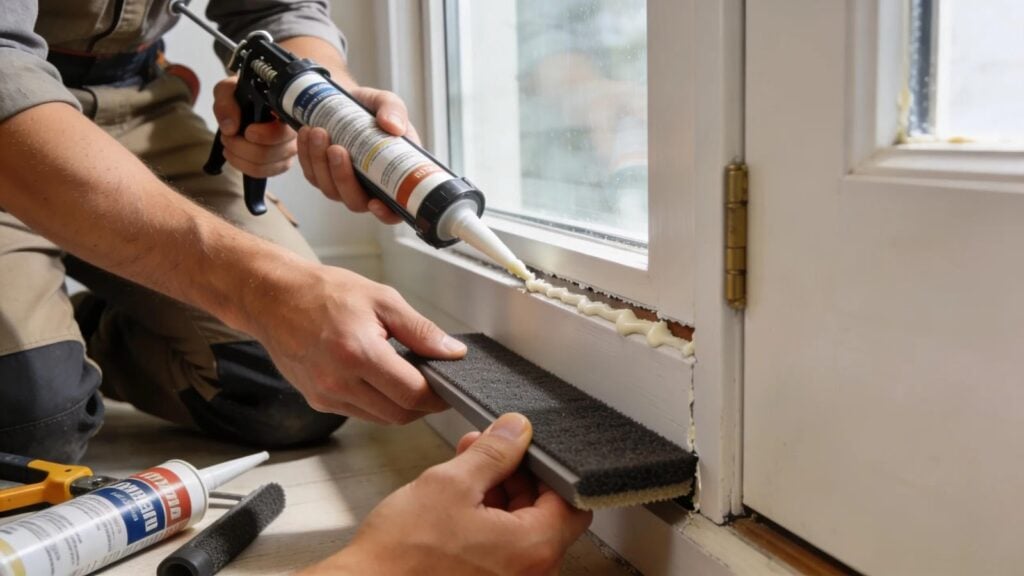
After consulting a pest control expert, reduce the number of access points to make your home less hospitable to cockroaches. Systematically identify and seal common entry sites to limit movement and reinfestation.
- Identify Common Entry Points: Look for gaps around windows, doors, plumbing, and electrical lines.
- Effective Sealing Methods: Use caulk for cracks, door sweeps, and window screens to limit openings.
- Prevent New Infestations: By making it physically harder for cockroaches to enter, you increase your chances of keeping them out.
Maintain Cleanliness

Consistent sanitation is a primary defense against cockroaches. Remove food sources and residues that attract pests and reduce conditions that support breeding.
- Daily Cleaning Tasks: Regular sweeping and mopping can remove food particles that cockroaches thrive on.
- Food Storage Practices: Store food in airtight containers and immediately clean up spills to reduce availability.
- Waste Management: Regularly dispose of trash and keep bins sealed to limit attractants.
Fix Moisture Issues
Cockroaches seek moisture. Address leaks and poor ventilation promptly to remove the damp environments that sustain them.
- Identifying Leaks: Regularly inspect pipes and faucets for leaks that can create damp spots.
- Using Dehumidifiers: In overly humid areas, consider using dehumidifiers to lower moisture levels.
- Eliminating Moisture Sources: Ensure areas such as basements and bathrooms are properly ventilated.
Declutter
Clutter increases the number of hiding places and protects cockroaches from detection. Reducing unnecessary items removes shelter and simplifies inspection and treatment.
- Impact of Clutter on Infestations: Cockroaches thrive in chaotic spaces where hiding is easy.
- Decluttering Tips: Regularly assess items you don’t need and dispose of or organize them effectively.
- Best Storage Practices: Keep items stored in sealed containers rather than open boxes or piles.
Set Traps
Traps provide reliable monitoring and can reduce numbers while you prepare more comprehensive control measures. Use them to assess activity and locate hotspots.
- Types of Traps: Sticky traps can help catch roaches and reveal their activity levels.
- Best Locations to Set Traps: Position traps near suspected entry points or signs of droppings.
- Safe Handling of Traps: Regularly check the traps to see if they have caught any roaches and dispose of them safely.
Monitor Activity
Ongoing monitoring is essential after initial control steps. Track evidence of continued activity so you can adjust treatment or re‑engage professionals if needed.
- Signs to Look For: Monitor for additional droppings, eggs, or shed skins, which indicate ongoing activity.
- Keeping Track of Roaches: Use your traps to see whether the number of roaches captured increases over time.
- When to Call a Professional: If you continue to spot roaches or notice increased activity, don’t hesitate to reach out to your pest control service.
Educate Yourself
Knowledge of cockroach behavior helps you anticipate and interrupt infestation cycles. Learn typical hiding places, feeding patterns, and seasonal activity to improve response.
- Cockroach Habits: Learning where they are likely to hide and what they eat
helps anticipate their movements.
- Remote Evidence: Recognizing less obvious signs of a cockroach presence can aid in prevention.
- Time of Outbreak: Knowing peak roach activity periods, often during warmer months, helps you stay prepared.
What Immediate Actions Should You Take in the First 24 Hours After Finding a Cockroach?
Within the first 24 hours, take immediate, practical steps to reduce risk and gather information for treatment.
- Sanitize Surfaces: Clean the area where the roach was found to eliminate any bacteria or allergens.
- Remove Food Sources: Immediately secure all food items and clean up debris.
- Fix Leaks: Address any moisture issues that might attract roaches.
How to Inspect Your Home for Signs of Roach Infestation
A systematic inspection focuses on likely habitats and evidence. Inspect kitchens, bathrooms, and storage areas thoroughly for droppings, eggs, and other signs.
- Key Inspection Areas: Focus on kitchens, bathrooms, and basements as they’re common hotspots for roaches.
- Signs of Droppings and Eggs: Look for small, dark droppings and oval-shaped egg capsules.
- Best Tools to Use: Flashlights and magnifying glasses can help locate these signs more effectively.
Which Cleaning and Sanitation Steps Help Reduce Cockroach Attraction?
Targeted cleaning and strict food‑handling practices materially reduce cockroach attractants and support long‑term control.
- Daily Cleaning Practices: Make cleaning a part of your routine to keep surfaces free from food particles.
- Food Storage Techniques: Use airtight containers for food and leftovers to reduce access.
- Trash Management: Keep trash bins sealed and dispose of trash regularly to avoid odors that attract pests.
When and Why Should You Schedule Professional Cockroach Extermination Services?
Certain indicators warrant professional intervention. If monitoring shows persistent activity, visible evidence of breeding, or health concerns, engage licensed exterminators for comprehensive treatment and prevention planning.
- Identifying a Major Infestation: If daily monitoring reveals a high number of roaches, it’s essential to seek professional help.
- Health Risk Considerations: Cockroaches can cause allergic reactions and spread diseases, making timely treatment important.
- Long-Term Prevention: Professional services not only remove pests but also provide strategies to prevent future infestations.
What Does a Professional Cockroach Extermination Treatment Include?
Professional treatments typically begin with a thorough inspection and proceed with a site‑specific treatment plan. Expect a combination of targeted baiting, trapping, and residual applications, followed by scheduled follow‑ups to assess effectiveness.
- Types of Inspections Conducted: Professionals typically begin with a comprehensive inspection for infestations.
- Expected Treatment Plans: Treatment often combines baiting, trapping, and insecticide applications.
- Follow-Up Procedures: After the initial treatment, follow-ups may include additional inspections and treatment adjustments.
How Does Valley Wide Pest Control Ensure Safe and Eco-Friendly Roach Removal?
Valley Wide Pest Control evaluates each situation and recommends methods that balance efficacy with safety. Technicians select products and techniques that reduce risk to occupants while effectively targeting the infestation, and they provide guidance on preventing recurrence.
- Inspection and Assessment Methods: Their technicians assess the most effective methods for your specific infestation situation.
- Use of Eco-Friendly Products: They utilize eco-conscious products that minimize harm to non-target organisms and the environment.
- Long-Term Prevention Strategies: After treatment, they provide education and resources to help maintain a pest-free home.
What Are the Common Signs of a Roach Infestation in Residential and Commercial Properties?
Early recognition of signs of infestation allows for a faster, more effective response. Look for daytime sightings, egg casings (ootheca), and droppings as primary indicators.
- Daytime Activity: Spotting roaches during the day is often a sign of a larger problem, as most species are nocturnal.
- Egg Casings: Finding egg casings, also known as ootheca, indicates that the population may be growing.
- Droppings: Small droppings left behind are another major indicator of their presence.
How to Identify Different Cockroach Species and Their Behaviors
Species identification informs treatment choices. Note size, color, and typical habitats to distinguish common species and adapt control methods accordingly.
- German Cockroach Identification: This small species is often light brown and prefers indoor environments, where it is frequently found in kitchens.
- American Cockroach Behavior: Larger and reddish-brown, this species tends to thrive in warmer climates and is often seen in basements.
- Signs of Infestation Patterns: Understanding their habits helps devise targeted prevention measures.
What Health and Safety Risks Are Associated with Cockroach Infestations?
Cockroaches present clear health concerns. They can carry pathogens and trigger allergic reactions; contaminated food and fecal material increase the risk of illness, particularly for vulnerable individuals.
- Disease Transmission: Cockroaches are known carriers of various pathogens that can cause food poisoning and other diseases.
- Allergies Related to Roaches: Their droppings and body parts can trigger allergic reactions and asthma in sensitive individuals.
- Contaminated Food Issues: If roaches infest food storage areas, they can contaminate products, rendering them unsafe.
What Proven Cockroach Control Methods Work Best for Fast and Effective Results?
Effective control relies on integrated measures: professional-grade treatments, strategic baiting and trapping, and rigorous sanitation and moisture control. Combining these approaches yields faster, more durable results.
- Professional-Grade Treatments: Using expert services ensures the most effective, tailored approaches for your specific infestation.
- Baiting and Trapping: These methods can effectively reduce numbers, particularly during the initial stages of infestation.
- Sanitation and Moisture Control: Implementing rigorous cleaning and moisture management forms the basis of successful pest control strategies.
Which Treatment Options Are Recommended for Immediate Roach Removal?
For urgent situations, professional extermination typically yields the fastest reduction. Carefully selected DIY measures can supplement that response, but they are not a substitute for a comprehensive treatment plan when infestation is significant.
- Professional Extermination Advantages: Expert treatments often yield faster, more thorough results than household methods.
- DIY Methods with Caution: While some household solutions exist, they may not be as effective against severe infestations.
- Immediate Action Steps: Implementing both professional and DIY strategies could work best in conjunction for urgent situations.
How Can Homeowners Maintain Long-Term Cockroach Prevention After Treatment?
Long‑term prevention requires regular inspections, consistent sanitation and moisture control, and periodic professional advice. These measures reduce the risk of reinfestation and protect your property’s value.
- Regular Inspections: Make it a point to check for signs of roaches periodically
- Sanitation and Moisture Control: Consistently maintain clean areas to deter roach attraction.
- Ongoing Pest Management Practices: Consider engaging a pest control service for routine checks and preventive measures.
What Practical Cockroach Prevention Tips Can You Implement Today to Avoid Reinfestation?
Implement straightforward, consistent practices to reduce attractants and access. Regular cleaning, sealing entry points, and monitoring activity will materially lower the risk of future problems.
- Cleaning Strategies: Regular cleaning and maintenance create an unwelcoming environment for cockroaches.
- Sealing Entry Points: Effective sealing of access points prevents new pests from entering.
- Regular Monitoring: Keep an eye on your living spaces and promptly address any new sightings.
How Does Regular Sanitation and Waste Management Reduce Roach Attraction?
Routine sanitation removes food residues and odors that attract cockroaches. Proper food storage and prompt waste removal are practical, effective steps that reduce pest pressure.
- Daily Cleaning Practices: Frequent cleaning removes potential food sources from your home.
- Food Storage Techniques: Tight food storage limits the availability of food for pests.
- Trash Disposal Management: Regular disposal keeps attractants out of the house.
What Structural Repairs and Home Maintenance Practices Prevent Cockroach Entry?
Address structural issues promptly to close the physical entry points cockroaches use. Routine maintenance of seals, screens, and plumbing reduces vulnerabilities and supports long‑term pest control.
- Sealing Cracks and Gaps: Regular maintenance of walls and floors prevents pests from getting in.
- Repairing Leaks: Fixing plumbing issues helps eliminate damp areas that attract cockroaches.
- Regular Home Inspections: Regularly check for vulnerabilities in your home to maintain its integrity.
Where Can You Find Trusted Local Resources and Support for Roach Infestation in Fresno and San Joaquin Valley?
Local professionals and public health resources can provide practical support and guidance. Keep a list of reputable pest control providers and consult community health agencies for educational materials and local recommendations.
- Finding Pest Control Services: Look for reliable pest control experts in your area to address infestation concerns.
- Community Resources: Local health departments often provide educational materials on pest control.
- Emergency Contacts: Keep contact information for pest control services handy in case of an emergency.
How to Contact Valley Wide Pest Control for a Free Estimate and Service Scheduling
Contacting Valley Wide Pest Control is straightforward. Call +1 (559) 285-8181 or email info@valleywidepest.com to request a free estimate. When you call, be prepared to describe the signs of infestation you have observed so the technician can advise on next steps.
- Contact Methods: You can contact them by phone at +1 (559) 285-8181 or by email at info@valleywidepest.com.
- Preparing for the Estimate: When contacting for a free estimate, be ready to discuss the signs of infestation you’ve noticed.
- Services Offered: Valley Wide Pest Control specializes in a range of pest control strategies tailored to your needs.
What Do Customer Testimonials Reveal About Valley Wide’s Cockroach Extermination Success?
Customer feedback consistently highlights reliable service and measurable improvements after treatment. Reviews often note thorough inspections, effective follow‑up, and professional conduct from technicians, which supports community trust.
- Customer Satisfaction: Many users have reported significant improvements in pest management after working with Valley Wide.
- Service Effectiveness: Testimonials underline the thoroughness of the extermination treatments provided.
- Trust Building in the Community: The consistent results and effective services build trust among community members.
Frequently Asked Questions
How Can I Tell If I Have a Cockroach Infestation?
Check for concentrated signs such as droppings, shed skins, and egg casings. Droppings are small and dark and commonly appear under sinks, behind appliances, and in cupboards. Dead roaches or frequent daytime sightings are strong indicators of a growing problem.
What Are the Best DIY Solutions for Immediate Cockroach Control?
Short‑term DIY options include placing sticky traps in likely areas and using boric acid mixed with an attractant as a bait. Maintain strict sanitation to reduce food availability. Treat these measures as interim steps while arranging professional assessment for a lasting solution.
How Long Does It Typically Take to Eliminate Cockroaches After Treatment?
Elimination time depends on the size of the infestation and the treatment type. Professional intervention typically yields a marked reduction within days, but full eradication can require several treatments and a few weeks of monitoring. Follow‑up visits and continued sanitation are essential.
Can Cockroaches Cause Damage to My Home?
Cockroaches rarely cause structural damage, but they do contaminate surfaces and food with droppings and shed skin, which poses health and hygiene concerns. Infestations can exacerbate allergies and asthma in sensitive individuals.
What Safety Measures Should I Take When Using Pest Control Products?
Follow label directions, ventilate treated areas, and restrict access for children and pets until products are dry and safe. Use personal protective equipment where recommended and consider eco‑friendly options if chemical exposure is a concern.
How Often Should I Schedule Professional Pest Control Services for Roaches?
Annual service is a common baseline; in areas with recurrent issues, more frequent treatments—such as quarterly visits—may be advised. Tailor service frequency to your property’s history and local pest pressure.
Conclusion
Managing cockroach infestations reduces health risks and restores confidence in your home’s safety. Combine targeted professional treatments with diligent sealing, sanitation, and monitoring to minimize recurrence. Remain proactive in maintenance and inspections to preserve results. For additional guidance and practical resources on pest prevention, visit our resources page.