
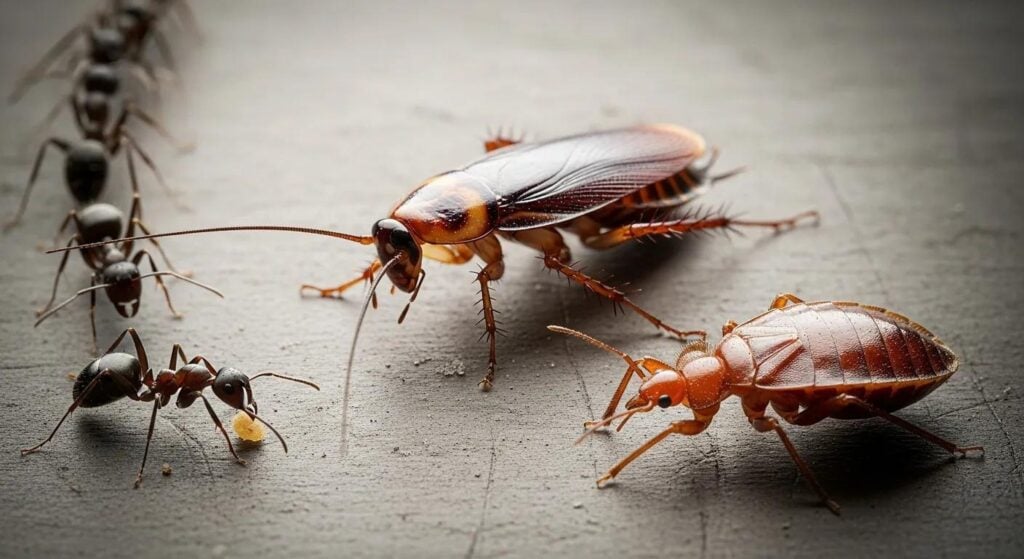
Pest issues in Fresno can disrupt daily life and present health risks. Knowing which pests are common and how to prevent them is essential to keep a home safe and comfortable. This article reviews the primary pests found in Fresno—cockroaches, ants, rodents, termites, and bed bugs—and outlines proven control and prevention strategies homeowners can use to reduce infestations and protect their properties.
This reference provides practical, expert guidance for homeowners managing household pests.
Household Pest Control Reference for Homeowners
A practical reference for professionals and homeowners addressing institutional and household pest problems. It includes updated information relevant to residential, industrial, and institutional pest control.
Residential, Industrial, and
Institutional pest control, MK Rust, 2006
Common Pest Problems
Left unaddressed, pest infestations cause property damage and carry health risks. In Fresno, several specific pests are recurrent problems; each requires targeted prevention measures. Correct identification and an understanding of pest behavior are the first steps in effective management.
Cockroaches
Cockroaches are highly resilient and thrive in diverse conditions. They can carry pathogens and produce allergens that affect occupants. Prevent infestations by keeping areas clean, sealing likely entry points, and using baits or traps. Routine inspections detect early activity and allow for timely intervention.
For inspection, check dark, warm areas such as under sinks, behind appliances, and inside cabinets. Place baits where cockroaches are active but out of reach of children and pets, and replace or refresh bait stations according to the product instructions. Sanitation is critical: remove food debris, store pantry items in sealed containers, and empty trash frequently. If activity continues after these steps, contact a professional who can assess the infestation level and recommend targeted options.
Research highlights the serious health impacts of pest infestations, particularly the allergens produced by cockroaches and rodents.
Pest Infestation, Allergens & Health Risks in Housing
Indoor environments—especially low-income housing—often pose multiple health risks, including pest infestations and associated allergens. Cockroach and rodent allergens are linked to worsened outcomes in people with asthma. A survey of 358 apartments examined infestation levels, resident attitudes toward control, and the relationships among pests, allergen levels, and respiratory health.
Survey of pest infestation, asthma, and allergy in low-income housing, C Wang, 2008
Ants
Ants frequently enter homes seeking food and shelter; common species include carpenter ants and fire ants. Preventive steps include storing food securely, removing standing water, and sealing cracks and crevices. If an infestation occurs, targeted ant control services can remove active colonies.
Watch for ant trails and bait along those routes rather than scattering products randomly. Keep outdoor plants and mulch trimmed back from foundations to reduce pathways for ants into the structure. When using baits, be patient: slow-acting baits carried to the nest are often more effective at eliminating the colony than fast‑knockdown sprays that leave the queen alive.
Rodents
Mice and rats present health hazards and can contaminate food. Typical signs include droppings, gnaw marks, and nesting materials. Prevent rodent problems by sealing entry points, maintaining cleanliness, and using traps or professional removal services. Regular inspections help detect activity before it escalates.
For exclusion, seal gaps around pipes, vents, and utility penetrations, and install door sweeps on exterior doors. Use snap traps or enclosed bait stations placed along walls where rodents travel; follow safety instructions and keep traps away from children and pets. Remove potential shelter by reducing clutter, storing firewood away from the house, and keeping vegetation trimmed. If signs persist, a professional can conduct a thorough inspection and implement a control plan to address harbourage and entry points.
Termites
Termites can inflict severe damage to timber structures. Look for hollow-sounding wood, mud tubes, and discarded wings as indicators. Prevention focuses on reducing moisture, sealing gaps, and scheduling regular termite inspections. Homeowners should consider professional termite prevention services to protect their properties. If you’re looking for pest prevention, Valley Wide Pest Control can help.
Reduce conditions that attract termites by correcting poor drainage, repairing roof and plumbing leaks, and avoiding direct wood-to-soil contact in landscaping. Inspect crawl spaces and basements for excessive moisture and ventilation problems. When planning renovations, ask inspectors to check for termite activity before investing in structural repairs. Preventative treatments and monitoring systems offered by professionals provide ongoing protection and early warning of activity.
Bed Bugs
Bed bugs are small and difficult to detect, but they can cause bites and distress. They inhabit bedding, furniture, and luggage. Signs include bite marks, blood spots, and shed skins. Effective responses include professional extermination and preventive measures such as encasing mattresses and laundering bedding at high temperatures. Exercise caution when traveling to avoid introducing these pests.
When traveling, inspect hotel mattress seams, avoid placing luggage on beds, and store suitcases on racks. After returning home, launder clothing on high heat and inspect suitcases before storing. When considering secondhand furniture, carefully inspect seams and joints, and avoid bringing items into the home that show signs of infestation. Professionals may use heat, steam, or targeted chemical treatments; follow all post-treatment instructions to minimize the risk of reintroduction.
Expert Strategies for Effective Pest Control
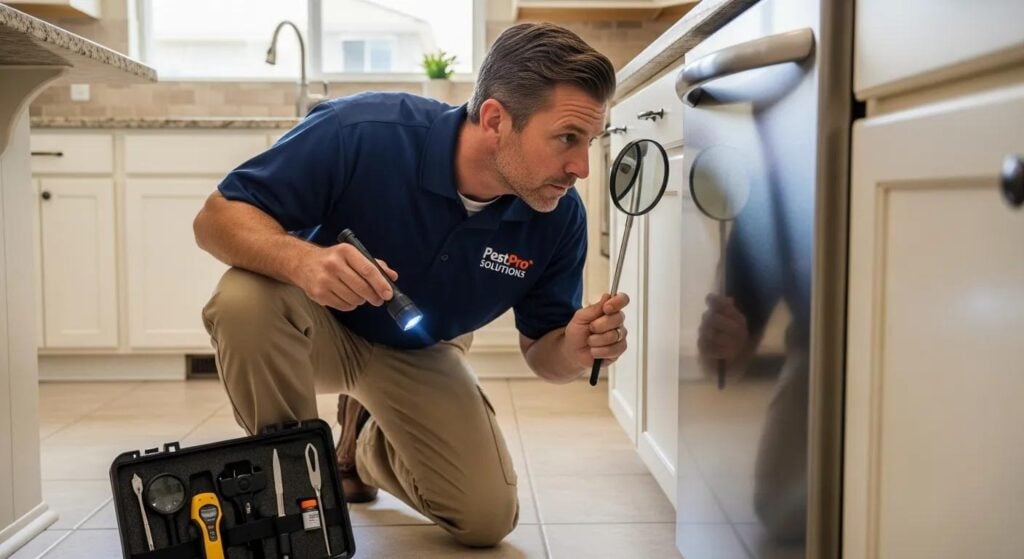
A structured pest control plan includes regular inspections, targeted treatments, and scheduled follow-up. These components form a reliable approach to reducing pest activity. Partnering with a professional pest control service delivers comprehensive coverage and solutions tailored to a property’s specific needs.
Effective programs emphasize monitoring and prevention before treatment. Keep simple records of inspection dates, locations where pests were seen, and actions taken so trends can be tracked. Communicate visible issues to service providers and follow recommended exclusion and sanitation steps between visits. A combined effort between the homeowner and technician improves long-term outcomes and reduces the need for repeated chemical treatments.
These steps reflect the principles of Integrated Pest Management (IPM), a systematic approach to pest control.
Integrated Pest Management (IPM) for Home Pests
Integrated Pest Management (IPM) combines accurate identification, monitoring, prevention, defined treatment thresholds, and multiple control tactics to manage pests effectively.
Effectiveness of building-wide integrated pest management programs for German cockroach and bed bug in a high-rise apartment building, C Wang, 2019
Valley Wide Pest Control specializes in residential and commercial pest management in the San Joaquin Valley. Their expertise in identifying and resolving pest problems helps homeowners manage infestations and reduce the risk of recurrence.
Prevention Methods
Preventing infestations requires a proactive, consistent approach. Homeowners can adopt several practical measures to reduce the likelihood of pests entering and establishing themselves in the home. Key prevention strategies include:
- Sealing Entry Points: Inspect the exterior of your home for cracks and gaps, and seal them to prevent pests from entering.
- Maintaining Cleanliness: Regularly clean kitchens and dining areas to eliminate food sources that attract pests.
- Proper Food Storage: Store food in airtight containers to deter pests from accessing it.
Adopting these measures significantly reduces the risk of pest infestations.
Additional practical actions include using sealed outdoor garbage bins, keeping compost and green waste away from the immediate foundation, and scheduling seasonal property checks focused on potential entry points. Maintaining gutters and ensuring downspouts direct water away from the structure will also reduce moisture‑related pest problems. For multiunit properties, coordinate building-wide measures so pests are not simply displaced from one unit to another.
Frequently Asked Questions
What are the signs of a pest infestation in my home?
Signs vary by pest. Look for droppings, gnaw marks, and nests for rodents; bite marks and blood spots for bed bugs; and visible trails or mounds for ants. You may also notice odd odors or damaged food packaging. Routine inspections and awareness of these indicators enable earlier response.
When checking for signs, use a flashlight to examine gaps, under sinks, and behind appliances. Note times when you see pests—some are nocturnal while others are active during the day—and record locations to help identify patterns that guide targeted treatments.
How can I choose the right pest control service for my needs?
Evaluate local companies by checking credentials and customer reviews. Prefer providers that follow Integrated Pest Management (IPM) principles, explain their methods, and outline follow-up procedures. Ask about their experience with specific pests and request a clear treatment plan before proceeding.
Ask for references or case examples for problems similar to yours, and confirm licensing or insurance where required. A reputable company will clearly describe non‑chemical options, monitoring strategies, and the expected timeline for results.
Are there any natural pest control methods I can use at home?
Several non-chemical options can help reduce pests. Diatomaceous earth deters insects, and certain essential oils, such as peppermint or tea tree, can act as repellents. Cleanliness, sealing entry points, and traps also help. For severe infestations, engage a professional service to ensure complete control.
Natural methods work well as part of prevention and minor control. Use them alongside exclusion and sanitation efforts rather than relying on them exclusively for larger, established infestations.
How often should I schedule pest inspections for my home?
Annual inspections are generally recommended, with more frequent checks in. Seasonal inspections can catch emerging issues during peak activity periods. If you observe signs of pests, schedule an inspection promptly to address the problem.
Consider scheduling inspections before and after wetter seasons or before major renovations to identify vulnerabilities and take corrective action early.
What should I do if I find bed bugs in my home?
Act quickly: isolate infested items, launder bedding and clothing in hot water, and vacuum thoroughly—paying attention to seams and crevices. It is advisable to engage a specialist in bed bug treatment to ensure effective eradication and reduce the risk of re-infestation.
Follow the guidance provided by your treatment provider regarding the handling of laundered items and treated rooms. In many cases, combining laundering, vacuuming, and professional treatment provides the best outcome.
Can pests cause health problems for my family?
Yes. Cockroaches and rodents can trigger allergies and aggravate asthma, while bed bugs cause skin irritation and stress. Pests may also contaminate food and surfaces with harmful bacteria. Maintaining a pest-free home is important for household health and safety.
Reducing pest exposure through sanitation, exclusion, and prompt control reduces the likelihood of allergy flare-ups and contamination events. Consult your healthcare provider if household members experience persistent symptoms that may be linked to pests.
What preventative measures can I take to avoid pest problems?
Key preventive actions include sealing entry points, keeping the home clean, storing food in airtight containers, and addressing moisture issues. Regular property inspections and scheduled pest control services provide ongoing protection against infestations.
Create a simple home maintenance checklist that includes inspection of pipe penetrations, door sweeps, attic vents, and foundation openings. A consistent, routine approach is more effective than occasional, intensive cleaning.
What Are the Most Common Pests Affecting Fresno Homes?
Fresno residents commonly face cockroaches, ants, rodents, termites, and bed bugs. Each pest presents distinct challenges and requires specific control and prevention measures.
Identifying Cockroaches, Ants, Rodents, Termites, and Bed Bugs in Fresno
Early identification is critical. Homeowners should learn the specific signs associated with each pest to address issues promptly and limit damage.
Simple identification knowledge—such as recognizing droppings, mud tubes, shed skins or distinct damage patterns—speeds up response time and reduces the scope of treatments needed. Keep a small notebook or digital notes of observations to share with a pest professional.
Understanding Seasonal Pest Challenges Unique to Fresno
Local climate affects pest activity, with some species becoming more active in particular seasons. Awareness of these patterns enables homeowners to time inspections and prevention efforts for better results.
For example, inspect basements and crawl spaces more frequently during wetter months, and watch for increased ant activity in warmer periods. Adjust sanitation and exclusion efforts seasonally to address shifting pest behaviors and reduce the chance of new incursions.
How Can Homeowners Effectively Prevent Cockroach and Ant Infestations?
Prevent cockroach and ant problems by maintaining cleanliness, sealing likely entry points, and applying targeted control methods. Regular inspections help identify early signs and allow for corrective action.
A practical routine includes nightly kitchen tidying, weekly inspection of food storage areas, and monthly checks of perimeter seals and weep holes. Combining behavioral changes with physical exclusion reduces reliance on repeated chemical applications.
Key Prevention Tips for Cockroach Control in Fresno Homes
- Keep Food Sealed: Store food in airtight containers to prevent access.
- Eliminate Moisture: Fix leaks and reduce humidity to deter cockroaches.
- Regular Cleaning: Maintain a clean environment to eliminate food sources.
Best Practices for Ant Control Services and Prevention
- Identify Ant Species: Understanding the type of ant can help tailor control methods.
- Seal Entry Points: Prevent ants from entering by sealing cracks and gaps.
- Use Baits: Employ ant baits to target colonies effectively.
What Are the Proven Methods for Rodent Removal and Termite Prevention in Fresno?
Proven rodent control includes sealing entry points, deploying traps, and maintaining cleanliness. Termite prevention relies on moisture control and regular inspections to identify early signs of activity.
Reliable Rodent Prevention and Removal Techniques for Fresno Residences
- Seal Entry Points: Close off gaps and holes to prevent rodent access.
- Maintain Cleanliness: Store food securely and eliminate clutter.
- Professional Services: Consider hiring pest control experts for comprehensive solutions.
Combine sealing and sanitation with targeted trapping in areas of activity; inspect attics, basements, and garages where rodents often nest. Replace torn weatherstripping and use rodent‑proof materials at common access points to reduce future incursions.
Comprehensive Strategies for Fresno Termite Damage Prevention
- Regular Inspections: Schedule annual termite inspections to catch issues early.
- Moisture Control: Reduce moisture around the home to deter termites.
- Professional Treatments: Use professional termite prevention services for added protection.
Prioritize areas where wood meets soil and maintain a clearance between mulch and foundation walls. If renovations expose structural timbers, include a termite assessment as part of pre-construction checks to avoid surprise infestations.
How Do Professionals in Fresno manage Bed Bug Detection and Treatment?
Professional services use visual inspections and, where applicable, canine detection to locate bed bugs. Treatment options commonly include heat treatments, chemical applications, and encasements to eliminate infestations.
After treatment, follow the technician’s guidance regarding laundering, mattress encasements, and follow-up inspections. A phased approach that includes monitoring and repeat checks helps confirm elimination and prevents re-establishment.
Effective Bed Bug Treatment Options Offered by Valley Wide Pest Control
Valley Wide Pest Control Inc offers bed bug treatment options, such as heat treatments and targeted chemical applications, designed to eliminate infestations and reduce the risk of recurrence.
Why Is Preventive Pest Control Essential for Fresno Homes?
Preventive pest control protects the home and household health by addressing issues before they escalate. Regular inspections and timely treatments reduce the likelihood of costly damage and recurring problems.
Prevention is often more cost‑effective than remediation, because early action limits the scale of interventions required. Keeping a routine and responding quickly to small signs of pest activity decreases the odds of a major infestation.
Benefits of Regular Pest Inspections and Tailored Treatment Plans
- Early Detection: Regular inspections help catch infestations early.
- Customized Solutions: Tailored treatment plans address specific pest issues.
- Peace of Mind: Knowing your home is protected provides reassurance.
When service providers tailor plans to your property, they can prioritize non-chemical measures and recommend structural repairs or landscaping changes that reduce pest pressure over the long term.
How Valley Wide Pest Control Ensures Reliable and Trusted Service
Valley Wide Pest Control is committed to delivering reliable pest management and prioritizing customer satisfaction. Their approach focuses on consistent service and clear communication.
What Do Fresno Residents Say About Their Pest Control Experiences?
Customer testimonials commonly note effective outcomes and professional service, reflecting successful pest prevention and management by local providers.
Customer Testimonials Highlighting Successful Pest Prevention
Residents report positive results with professional pest control, often highlighting the thoroughness and reliability of the services they received.
Case Studies Demonstrating Proven Results in Fresno Homes
Case studies demonstrate how systematic pest control measures have been implemented in Fresno homes and show the value of professional intervention in maintaining pest-free environments.
How Can Fresno Homeowners Schedule Preventive Pest Control Services?
Homeowners can arrange preventative pest control by contacting Valley Wide Pest Control Inc directly to discuss requirements and request a free estimate.
Steps to Obtain a Free Estimate from Valley Wide Pest Control
- Contact: Reach out to Valley Wide Pest Control by phone or email.
- Assessment: Schedule an assessment of your pest control needs.
- Receive Estimate: Obtain a free estimate based on the assessment.
Be prepared to describe the pest issue, the areas affected, and recent observations. Providing photos or a brief history of your attempts to control the problem helps technicians prepare a focused assessment.
Scheduling and Service Area Details for Fresno Residents
Valley Wide Pest Control Inc serves the Fresno area, providing pest management solutions tailored to local homes and businesses.
Conclusion
Awareness of common pests and consistent prevention are key to protecting Fresno homes. Homeowners who use regular inspections and professional pest control services, including those offered by Valley Wide Pest Control Inc, improve their chances of maintaining a safe, pest-free home. Contact Valley Wide to arrange a consultation.