

Preventive pest control is a deliberate, professional approach for Fresno homeowners who want to protect property value, health, and household comfort. This proactive strategy reduces the likelihood of infestations, limits repair expenses, and lowers health risks from pests. Below, we examine the local risks in Fresno, the long‑term savings of scheduled pest management, expected costs, common target species, and eco‑sensitive options. The aim is to provide clear, evidence‑based reasoning for why investing in preventative pest control supports a safe, well‑maintained home.
What Are the Key Benefits of Preventive Pest Control for Fresno Homes?
Preventative pest control reduces pest populations before they cause damage or health problems. Regular service prevents costly structural repairs, reduces the risk of disease transmission from pests such as rodents and mosquitoes, and identifies vulnerabilities—such as entry points or moisture issues—early. These measures deliver consistent protection and greater assurance for homeowners.
How Does Preventive Treatment Reduce the Risks of Termites and Rodents?
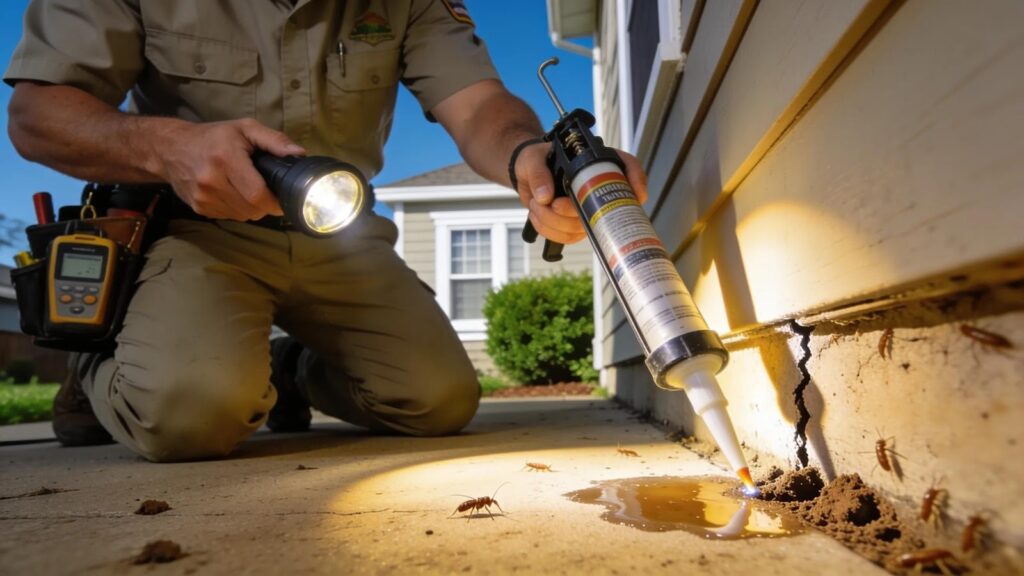
Preventive treatment combines professional inspections with targeted interventions to reduce the risk of termite and rodent infestations. Inspectors document signs of activity, check structural elements, and recommend measures such as sealing entry points and correcting moisture problems. These actions limit access and habitat suitability, reducing the chance of costly infestations.
What Are the Long-Term Cost Savings of Regular Pest Prevention?
Regular preventive maintenance yields measurable savings over time by avoiding emergency treatments and major repairs. Termite damage, for example, can require thousands of dollars in structural repairs; consistent preventive measures reduce the likelihood of such exposure. Planned maintenance makes household expenses more predictable and lowers the chance of sudden, high‑cost interventions.
| Entity | Attribute | Value |
|---|---|---|
| Emergency Treatments | Cost | $1,000 – $3,000 |
| Preventative Measures | Annual Investment | $200 – $600 |
| Structural Repairs | Cost of Repair for Termites | $3,000 – $8,000 |
The comparison above demonstrates the financial advantage of scheduled maintenance versus unscheduled repairs, reinforcing the value of routine pest control.
How Much Does Preventive Pest Control Cost for Residential Properties in Fresno?
Costs for preventative pest control in Fresno vary by property size, service scope, and local pest pressure. Typical per‑service fees range from $100 to $300, with the final price reflecting the specific assessments and measures required for each home.
What Factors Influence Fresno Pest Control Costs?
Pricing depends on the type of pest (for example, termites or rodents may require specialized treatments), the property’s square footage and layout, and the desired frequency of visits. Larger properties and more frequent service intervals increase labor and material needs, thereby increasing overall costs.
Are There Affordable Plan Options and Free Estimates Available?
Many reputable providers, including Valley Wide Pest Control, offer tiered plans and complimentary estimates. These options allow homeowners to select programs that match their risk profile and budget while maintaining consistent protection.
Which Pests Does Preventative Pest Control Commonly Target in Fresno Homes?
Preventative programs address species that threaten structures and health, most commonly termites, rodents, and ants. Each pest presents distinct risks and behaviors, and effective prevention focuses on species‑specific measures that limit entry, nesting, and access to food.
Why Is Termite Prevention Critical in the San Joaquin Valley?
Termites are a primary concern in the San Joaquin Valley because they can cause significant, often hidden, structural damage. Early detection through annual inspections and timely treatments preserves a home’s integrity and reduces the likelihood of expensive repairs.
How Are Rodents and Ants Effectively Controlled Through Preventive Services?
Rodent control commonly uses exclusion techniques to block entry and reduce food sources, while ant control often relies on targeted baiting to reach the colony. Regular monitoring and follow‑up visits ensure small problems are addressed quickly and more economically than reactive treatments.
What Eco-Friendly and Environmentally Responsible Pest Control Methods Are Offered?

Many providers now include eco‑sensitive methods that limit environmental impact while maintaining effectiveness. These approaches prioritize non‑toxic or least‑toxic materials, habitat modification, and practices that protect families, pets, and beneficial species.
How Does Valley Wide Integrate Eco-Friendly Solutions Into Preventive Plans?
Valley Wide Pest Control Inc incorporates eco‑sensitive tactics—such as habitat modification and selective use of non‑toxic products—into preventative programs. These strategies aim to control pest populations while reducing reliance on broad‑spectrum chemicals and supporting safer outcomes for occupants.
Why Choose Environmentally Responsible Pest Control in Fresno?
Choosing environmentally responsible methods protects household health, minimizes ecological harm, and can reduce reliance on hazardous treatments. Sustainable practices deliver lasting results and align with homeowners’ preferences for safer, long‑term pest management.
Health Threats of Urban Pesticides & Benefits of IPM for Children
Pesticides extensively used in urban areas to control cockroaches may pose health risks, particularly for children, who have higher relative exposures and developmental vulnerabilities. Integrated Pest Management (IPM) emphasizes nonchemical measures—such as cleaning food residues, removing potential food sources, and sealing cracks and crevices—and uses least‑toxic pesticides sparingly.
Integrated pest management in an urban community: a successful partnership for prevention, M Rivera, 2003
How Do Fresno Homeowners Schedule and Benefit From Valley Wide’s Preventive Pest Control Program?
Scheduling with Valley Wide is structured to be efficient and service‑oriented. The company’s process connects homeowners with the appropriate resources and follow‑up care to maintain a pest‑managed environment.
What Is Included in Routine Inspections and Maintenance Visits?
Routine inspections provide a full assessment of the property, identification of pest entry points and risk factors, and documented recommendations for ongoing treatments. Plans are customized so that homeowners receive services aligned with their property needs.
What Guarantees and Customer Satisfaction Commitments Does Valley Wide Offer?
Valley Wide Pest Control emphasizes customer satisfaction, offering service guarantees and maintaining open communication throughout treatment. They solicit feedback and adjust service plans as needed to uphold service quality and client confidence.
For more details on the company’s history and service approach, visit the About Us page for Valley Wide Pest Control. The page outlines the team’s experience and commitment to professional service. If you have questions or are ready to arrange a consultation, the team can be contacted via their contact page.
Frequently Asked Questions
1. What specific types of pests should Fresno homeowners be most concerned about?
Homeowners should prioritize monitoring for termites, rodents, ants, and mosquitoes. Termites can undermine structural wood, rodents can spread disease and damage insulation, ants can contaminate food areas, and mosquitoes are vectors for certain illnesses. Understanding these species helps target prevention effectively.
2. How often should homeowners schedule pest control inspections?
At a minimum, schedule an inspection annually to identify emerging vulnerabilities. Properties with prior infestations or higher risk factors may benefit from biannual visits. Regular inspections enable timely action and reduce the likelihood of major infestations.
3. Are there health risks associated with pest infestations?
Yes. Pests can transmit pathogens through bites, droppings, or contamination of food and surfaces. Examples include hantavirus from rodents and mosquito‑borne illnesses such as West Nile virus. Pests may also aggravate allergies and asthma, making prevention important for household health.
4. What eco-friendly options are available for pest control?
Eco‑friendly options include Integrated Pest Management (IPM), habitat modification, biological controls, and the targeted use of non‑toxic products. These methods focus on prevention and monitoring to minimize chemical use while effectively managing pest populations.
5. Can preventative pest control be integrated with home maintenance routines?
Yes. Preventative pest control should be part of regular home maintenance: seal gaps, maintain landscaping, ensure proper drainage, and keep interior areas clean. Working with a pest control provider to align treatments with maintenance tasks improves overall protection.
6. What are the signs of a pest problem that homeowners should look for?
Look for droppings, gnaw marks, nests, unusual sounds in walls, molted insect skins, and signs of termite activity such as wood damage or mud tubes. Early detection through these indicators supports prompt, effective intervention.
7. How can homeowners select a reliable pest control service?
Select a provider with a strong local reputation and positive reviews—such as Valley Wide Pest Control—that has experience with regional pest issues and offers transparent service options. Verify that the company offers eco‑sensitive plans, clear guarantees, responsive customer service, and documented credentials.
Conclusion
For Fresno homeowners, preventative pest control is a practical investment in safety, long‑term savings, and property preservation. Regular inspections and environmentally considerate treatments reduce risk and provide measurable protection. Consider the affordable plan options available from Valley Wide Pest Control and schedule a consultation to establish a tailored, reliable pest management program.