
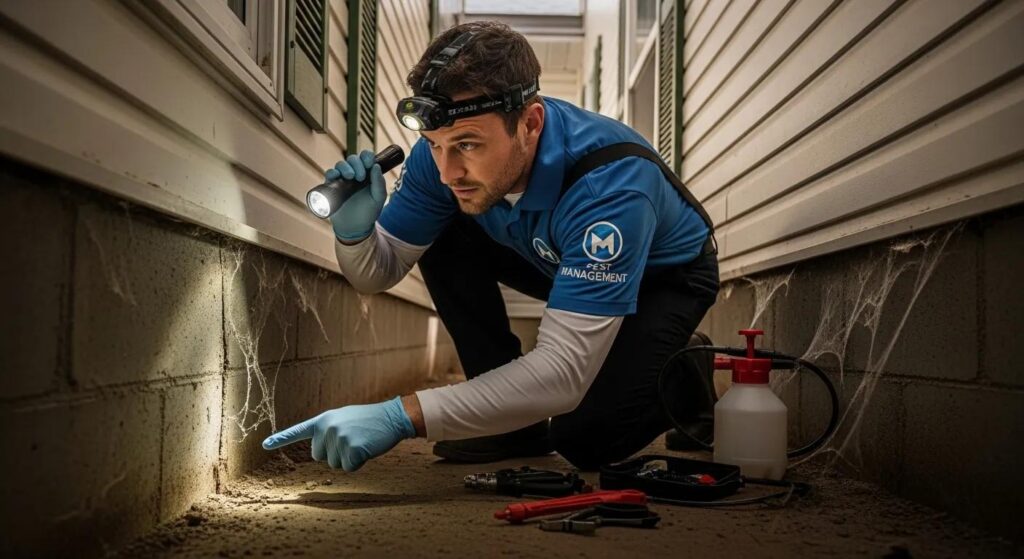
Homeowners must decide whether to engage professional pest control or attempt do-it-yourself measures. This article compares both approaches and explains the effectiveness, safety, and cost implications of professional pest control in Fresno. Pest problems can cause property damage and health hazards; recognizing the benefits of professional services helps you make an informed choice. We review the benefits of professional treatment, the limits of DIY methods, and how to select a dependable local pest control provider.
Many homeowners initially try DIY solutions because they appear inexpensive and convenient. However, long-term pest management often requires a combination of correct identification, targeted application, and follow-up monitoring. This article expands on those points and provides practical guidance to help you weigh short-term savings against lasting protection.
What Are the Key Benefits of Professional Pest Control Services in Fresno?
Professional pest control delivers measurable benefits: trained technicians, customized treatment plans, and ongoing service that improve control outcomes and reduce recurrence.
Beyond the headline advantages, professionals bring systematic processes that reduce guesswork. From thorough documentation of the infestation to recommendations for structural or exclusion work, reputable companies provide a roadmap homeowners can follow. For many common pests—ants, rodents, cockroaches, termites, and stinging insects—this structured approach improves both the speed and the reliability of results.
- Expert Knowledge: Professionals possess extensive training and experience in identifying various pest species and understanding their behaviors. This expertise allows them to implement targeted strategies that are more effective than general DIY methods. Accurate species identification matters because treatments vary significantly. For example, baiting strategies that work for ants may be ineffective against carpenter ants or termites. A technician can recognize subtle signs—nest locations, access points, foraging trails—and recommend the right product and placement.
- Tailored Treatment Plans: Each pest problem is unique, and professionals can develop customized treatment plans that address specific infestations. This personalized approach ensures that the treatment is effective and minimizes the risk of recurrence. Tailored plans often include a combination of chemical, biological, mechanical, and exclusion measures. A plan might start with a one-time remediation, then transition to quarterly preventive maintenance, plus targeted repairs to address points of entry.
- Ongoing Support: Many pest control companies provide follow-up services and monitoring to ensure the pest problem is fully resolved. This ongoing support can be crucial in preventing future infestations. Follow-up visits allow technicians to assess treatment success, make adjustments, and implement preventive measures such as sealing gaps, relocating attractants, or recommending landscape changes. This continuity is difficult to achieve with ad-hoc DIY efforts.
For those in Fresno seeking affordable pest management, Valley Wide Pest Control specializes in professional services tailored to residential and commercial clients.
How Does Professional Expertise Ensure Effective Pest Management?
Trained technicians apply their education and field experience to locate infestations, identify species, and design treatments that address the root cause rather than only symptoms.
Expertise includes knowledge of pest biology and seasonal behavior patterns. Technicians can anticipate where pests are most likely to appear and time interventions accordingly, increasing the likelihood of interrupting reproductive cycles and reducing population rebounds.
- Thorough Inspections: Professionals perform detailed assessments of the property, which help accurately identify the source of the infestation and the best course of action. Inspections often cover attics, basements, crawl spaces, exterior perimeters, landscaping, and waste-storage areas. They document findings and produce recommendations so homeowners understand both current problems and future risks.
- Targeted Treatments: Based on their findings, they apply treatments designed to eliminate pests effectively while minimizing harm to the environment and non-target species. Targeting reduces unnecessary chemical use and places products where pests will come into contact with them. For many pests, precise placement and bait selection are far more important than product strength.
- Safety and Environmental Considerations: Professionals are trained to use pesticides and other treatments safely, ensuring compliance with local regulations and minimizing risks to human health and the environment. Training covers personal protective equipment, correct dilution, safe storage and disposal, and restricted-entry intervals—practices that protect residents, pets, and the surrounding community.
What Guarantees and Warranties Do Fresno Pest Control Companies Offer?
Many Fresno firms back their work with guarantees and warranties to give customers confidence. These assurances often include follow-up treatments if pests return within an agreed period.
Guarantees vary by provider and by pest type. Ask potential contractors to explain the terms in writing, including any exclusions (for example, guarantees that apply only if the client follows specified prevention steps).
- Types of Guarantees: Many companies offer satisfaction guarantees, promising to return and re-treat the area if pests return within a specified timeframe. Guarantees may be conditional—covering only the treated areas or requiring scheduled maintenance visits to remain valid—so clarify what is included.
- Importance of Warranties: Warranties can provide peace of mind, knowing that the company stands behind its work and is committed to resolving any issues that may arise. A written warranty also creates accountability and gives you a clear point of recourse if problems persist after treatment.
- Customer Satisfaction Focus: A strong focus on customer satisfaction is a hallmark of reputable pest control companies, ensuring clients receive the best possible service. Look for companies that document service plans, maintain open communication, and offer easy scheduling for follow-ups—these practices typically indicate a customer-oriented business.
What Are the Risks and Limitations of DIY Pest Control in Fresno?
DIY approaches can appear economical but carry risks: misidentification, incorrect application, and incomplete control that may prolong the problem and increase costs.
Homeowners often rely on over-the-counter products without the knowledge needed to apply them effectively. Mistakes can waste money, delay proper remediation, and sometimes make infestations harder to treat by allowing populations to spread or develop resistance.
- Incomplete Identification of Pests: Homeowners may struggle to accurately identify the pest species, leading to inappropriate treatment methods that fail to address the problem. Misidentification can lead to the use of ineffective baits, misplaced traps, or the wrong insecticides that have no impact on the target species.
- Improper Treatment Methods: Without professional guidance, DIY treatments may be applied incorrectly, leading to ineffective pest control and potential environmental harm. Over-application can damage plants or contaminate soil and water, while under-application leaves populations intact.
- Health Risks Associated with Pests: Some pests can pose significant health risks, and improper handling can exacerbate these risks. Rodents, for example, can carry pathogens and cause structural damage, creating additional hazards; tackling such problems without proper precautions can increase exposure.
Why Can DIY Pest Control Lead to Incomplete Pest Elimination?
Several factors make DIY control incomplete: the development of resistance, a lack of systematic follow-up, and common application errors that allow pests to persist.
DIY treatments may suppress visible activity without addressing hidden stages, such as eggs or nests. Without follow-up monitoring, remaining individuals reproduce and repopulate treated areas, leading to recurring issues and the perception that control “didn’t work.”
- Resistance Development in Pests: Over time, pests can develop resistance to commonly used DIY treatments, making them less effective. Rotating modes of action and integrating non-chemical strategies helps slow resistance, but this planning is often beyond the scope of casual use.
- Lack of Follow-Up: DIY methods typically lack the follow-up and monitoring that professionals provide, which can result in recurring infestations. Professional programs usually include rechecks and strategy modifications if initial efforts fail, thereby reducing the risk of reinfestation.
- Common Mistakes in DIY Approaches: Homeowners may make mistakes, such as using the wrong products or failing to treat the entire area, which can hinder effective pest control. Common errors include placing baits in the wrong locations, failing to remove attractants, or neglecting exterior entry points that enable pests to return.
What Safety Concerns Should Fresno Residents Consider with DIY Methods?
Safety concerns with DIY products include chemical exposure, accidental spills, and unintended environmental harm. Professional application reduces these risks through training and regulatory compliance.
For households with children, pets, or medically vulnerable members, the margin for error is smaller. Even “safe” products can cause irritation or illness if misused, and improper storage of pesticides creates ongoing risk.
- Health Risks from Chemicals: Many DIY pest control products contain harmful chemicals that can pose health risks to humans and pets if not used properly. Professionals are trained to select the least hazardous effective option and to apply it at rates and in areas that minimize exposure.
- Potential for Accidents: Improper handling of pesticides can lead to accidents, including spills and exposure. A professional will have containment and cleanup procedures and will often carry liability insurance to address accidental property or environmental damage.
- Environmental Impact: DIY methods may overlook the environmental impacts of certain treatments, potentially harming beneficial insects and local ecosystems. Integrated pest management (IPM) strategies emphasize non-chemical controls and habitat modification to reduce collateral effects; many professional firms now incorporate IPM into their standard practice.
How Does the Cost of Professional Pest Control Compare to DIY Solutions in Fresno?
Professional services typically require a higher initial investment but deliver better long-term value by reducing recurrence, saving time, and protecting property.
When comparing costs, consider the full lifecycle expense: the cost of repeated DIY purchases, potential property repairs due to damage, and the value of time spent diagnosing and treating infestations. In many cases, a single professional intervention plus follow-up can be more cost-effective than repeated DIY attempts.
- Initial Costs vs. Long-Term Savings: While DIY methods may seem cheaper initially, the risk of recurring infestations can lead to higher costs over time. Professional contracts that include scheduled maintenance often stabilize long-term budgeting and reduce emergency call-outs.
- Effectiveness of Treatments: Professional treatments are generally more effective, reducing the likelihood of future pest problems and associated costs. Greater effectiveness translates into fewer disruptions to daily life and a lower risk of damage to structures or stored goods.
- Value of Professional Expertise: The expertise and tailored solutions provided by professionals can save homeowners time and money in the long run. Experienced technicians can also advise on low-cost exclusion measures and behavior changes that prevent future problems without ongoing chemical use.
What Are the Typical Pricing Structures for Professional Pest Control Services?
Knowing common pricing ranges for residential, commercial, and preventative services helps set realistic expectations when comparing quotes.
Pricing can depend on property size, pest type, infestation severity, and whether structural repairs (such as sealing gaps) are required. Many companies provide a free estimate to evaluate the specific needs of each property.
| Service Type | Cost | Effectiveness |
|---|---|---|
| Residential Pest Control | $150 – $300 | High |
| Commercial Pest Control | $200 – $500 | Very High |
| Preventative Treatments | $100 – $250 | High |
The table summarises typical costs for common service types and underscores the effectiveness associated with professional interventions.
How Do DIY Pest Control Expenses and Effectiveness Measure Up?
Compare product costs and expected outcomes: DIY supplies may cost less upfront, but variable effectiveness can lead to repeat treatments and higher cumulative expense.
DIY budgeting should include not only product costs but also any time spent researching solutions, implementing treatments, and performing follow-up checks. Many homeowners underestimate this hidden time cost.
- Cost Analysis of DIY Methods: DIY pest control can range from $20 to $100 for products, but effectiveness may vary significantly. When several products are used sequentially after ineffective attempts, the total cost can approach or exceed that of a single professional visit.
- Effectiveness of Common DIY Products: Many DIY products are less effective than professional treatments, which can lead to potential reinfestation. Low-cost traps or sprays may offer short-term relief but often fail to address nests, breeding sites, or hidden access points that sustain populations.
- Long-Term Implications of DIY Pest Control: The long-term costs of ineffective DIY methods can outweigh the initial savings. Repeated failures can also increase frustration and lead to ad-hoc mixing of products, which raises safety concerns.
What Are the Advantages of Preventive Pest Control Offered by Professionals?
Preventative pest control is a proactive strategy that reduces risk through inspections, targeted treatments, and ongoing monitoring to protect the property over time.
Preventative programs may be scheduled seasonally or tailored to local pest pressures. Proactive programs aim to maintain low pest pressure rather than react to outbreaks, which is generally more efficient and less disruptive.
- Comprehensive Inspections: Professionals conduct thorough inspections to identify vulnerabilities in the property that could lead to infestations. Inspections often reveal simple fixes—such as loose screens, gaps under doors, or poorly sealed utility penetrations—that can greatly reduce entry opportunities for pests to enter
- Targeted Treatments: Preventive treatments are tailored to address specific risks, reducing the likelihood of future pest problems. Treatments may be light-touch (barrier sprays, perimeter baiting) and designed to reduce reliance on broad-spectrum applications.
- Ongoing Monitoring and Education: Many pest control companies provide ongoing monitoring and education to help homeowners maintain a pest-free environment. Technicians can advise on sanitation, storage, and landscape choices that reduce attractants and create a less hospitable environment for pests.
How Does Preventive Treatment Reduce Future Infestation Risks?
Preventative treatments lower future risk by identifying entry points, removing attractants, and scheduling seasonal services to address predictable pest pressures.
Combining structural maintenance with behavioral changes—such as securing trash, storing food in sealed containers, and managing moisture—creates a layered defense that complements chemical or mechanical controls.
- Identifying Vulnerabilities: Professionals can identify areas of the property that may attract pests, enabling targeted interventions. Vulnerability audits can be especially valuable in older homes or properties with adjacent vegetation that shelters pests.
- Addressing Attractants: By addressing factors that attract pests, such as food sources and shelter, preventive treatments can significantly reduce the likelihood of infestations. Simple actions—like trimming back plants, relocating wood piles, and maintaining screens—can change the environment enough to deter many species.
- Seasonal Preparedness: Regular preventive treatments can prepare properties for seasonal pest pressures, ensuring homeowners are protected year-round. Timing treatments ahead of peak activity for specific pests can be more effective than reacting during an outbreak.
What Eco-Friendly Pest Control Options Are Available in Fresno?
Many providers now offer eco-friendly treatments such as natural formulations, mechanical traps, and exclusion work that reduce environmental impact while managing pests.
Eco-friendly approaches typically emphasize prevention, habitat modification, and low-toxicity products. These options are particularly appealing for households with children, pets, or environmentally sensitive landscaping.
- Types of Eco-Friendly Treatments: Eco-friendly pest control methods may include natural pesticides, traps, and exclusion techniques that minimize environmental harm. Examples include botanical insecticides with specific modes of action, physical barriers, pheromone traps, and non-toxic baits for certain pests.
- Benefits of Eco-Friendly Pest Control: These methods are often safer for families and pets, reducing the risk of chemical exposure. They may also help protect beneficial insects such as pollinators when applied thoughtfully and only where necessary.
- Local Providers of Eco-Friendly Services: Many pest control companies in Fresno, including Valley Wide Pest Control, offer eco-friendly options tailored to environmentally conscious consumers. When requesting an estimate, ask about integrated pest management (IPM) options and whether technicians can prioritize non-chemical methods first.
How to Choose a Reliable Local Pest Control Company in Fresno?
Selecting a reputable company requires checking licenses, reading customer feedback, and confirming the range of services, including preventative and eco-friendly options.
Take time to obtain multiple quotes, ask detailed questions about proposed methods, and request a written service agreement. Comparing the scope of work is as important as comparing the price.
- Certifications and Licenses: Ensure the company is licensed and certified to operate in California, indicating compliance with state regulations. Licensing ensures that technicians have received the required training and that the company complies with local rules for pesticide application and safety.
- Customer Reviews and Reputation: Research customer reviews and testimonials to gauge the company’s reputation and service quality. Look for consistent themes in reviews—timeliness, communication, follow-through, and effectiveness are strong indicators of quality.
- Range of Services Offered: Look for companies that offer a comprehensive range of services, including preventive treatments and eco-friendly options. A company that provides both reactive and preventative solutions can adapt its approach as your needs change.
What Credentials and Training Should You Look for in Pest Control Experts?
Verify licenses and certifications, review technicians’ field experience, and confirm the company follows safety protocols and industry best practices.
Ask about continuing education and whether technicians receive regular training on new products and regulatory updates. Experienced teams that keep current with best practices tend to deliver more consistent results.
- Licenses and Certifications: Verify that the technicians hold the necessary licenses and certifications to perform pest control services. Licensing information should be easy to obtain and is often available for verification on state regulatory websites.
- Experience and Expertise: Look for companies with technicians who have a proven track record in pest management. Experience with local pest pressures and regional climates is particularly valuable in Fresno, where seasonal variations influence activity.
- Commitment to Safety: Ensure the company prioritizes safety and follows best practices in pest control. This includes clear pre-service instructions, use of appropriate PPE, and transparent communication about risks and precautions.
How Do Customer Reviews and Testimonials Reflect Service Quality?
Reviews and testimonials illustrate a company’s reliability, treatment effectiveness, and its ability to maintain long-term client relationships.
When reading reviews, focus on detailed accounts rather than single-word ratings. Descriptions of how companies handled follow-ups, warranty claims, or unexpected issues can be very revealing.
- Trust and Reliability: Positive reviews often indicate a company’s reliability and commitment to customer satisfaction. Companies that respond professionally to negative feedback and resolve concerns publicly demonstrate accountability.
- Effectiveness of Service: Reviews can highlight the effectiveness of the company’s pest control methods and the overall customer experience. Repeated mentions of problem resolution over time suggest the provider can handle persistent or complex infestations.
- Long-Term Relationships with Customers: Companies that build strong relationships with their clients are more likely to provide consistent, high-quality service. Loyalty often indicates trust, fair pricing, and dependable outcomes—qualities worth prioritizing when selecting a provider.
How Can You Schedule Professional Pest Control Services with Valley Wide Pest Control Inc?
Scheduling service is straightforward: contact Valley Wide, request a free estimate, and follow the technician’s pre-service instructions to prepare your property.
When scheduling, describe the problem in reasonable detail (locations, times when pests are most active, any recent changes to the property). This helps the company allocate appropriate resources and estimate time on site.
- Contact Information: Reach out to Valley Wide Pest Control at +1 (559) 285-8181 to discuss your pest issues.
- Requesting a Free Estimate: Inquire about a free estimate to understand the potential costs of addressing your pest problem. During the estimate, technicians typically inspect key areas and outline recommended steps and costs so you can compare options.
- Preparing for Service: Prepare your home for the service by clearing areas where pests are commonly found and following any pre-treatment instructions provided by the technician. Simple preparations—such as clearing storage near walls, securing pets, and removing food from countertops—help the visit proceed smoothly and reduce treatment time.
What Is the Process for Getting a Free Estimate and Scheduling Service?
Request an estimate by phone or via the company website, describe the pest issue to aid accuracy, and schedule an appointment that fits your availability.
During the estimate, ask for a written summary of recommended actions, expected treatment timeline, and any preparatory steps you should take. This documentation can help you compare providers and make an informed decision.
- Contact Methods for Estimates: You can contact the company by phone or its website to request an estimate.
- Discussing Pest Issues: Be prepared to discuss the specific pest issues you are experiencing to help the technician provide an accurate estimate.
- Scheduling Appointments: Once you receive the estimate, you can schedule an appointment that fits your availability. If you need emergency service for stinging insects or a severe rodent infestation, mention this when booking so the company can prioritize appropriately.
What Customer Support and Follow-Up Services Are Provided?
Robust customer support includes service guarantees, follow-up inspections, and clear communication to ensure treatments achieve the promised results.
Evaluate service agreements for clarity on follow-up visits, what is covered under guarantees, and how to contact support if problems recur. Good providers make these processes straightforward.
- 60-Day Guarantee: Many pest control companies offer a 60-day guarantee on their services, ensuring that if pests return, they will re-treat the area at no additional cost. Confirm whether the guarantee covers the entire property or only treated areas, and whether maintenance visits are required to keep the guarantee valid.
- Follow-Up Visits: Follow-up visits may be scheduled to monitor the effectiveness and make any necessary adjustments. Technicians can document progress and recommend further actions if pest activity resumes.
- Customer Communication: Effective communication with customers is crucial for addressing concerns and ensuring satisfaction with the services provided. Providers that offer clear timelines, post-service instructions, and easy access to customer service tend to deliver better long-term outcomes.
To learn more about preventative pest control and how it can benefit your home or business, contact Valley Wide Pest Control today.
If you have any questions or would like to schedule a consultation, please visit our contact page or call us directly.
Frequently Asked Questions
What should I expect during a professional pest control inspection?
A trained technician will inspect the interior and exterior, look for signs such as droppings or nests, identify entry points, and discuss your concerns and the property’s pest history to develop an appropriate treatment plan.
The inspection is the foundation of effective treatment. Expect the technician to check key areas like kitchens, attics, basements, utility rooms, and exterior landscaping. They should explain findings and recommended next steps before beginning any treatment.
How often should I schedule professional pest control services?
Frequency depends on pest type, infestation severity, and location; preventative visits every three to six months are common, with more frequent service recommended for recurrent issues.
Your technician might recommend different visit cadences for different pests—for example, more frequent visits during peak seasons for ants or rodents. Tailored schedules balance cost and protection.
Are there any eco-friendly pest control options available?
Yes. Many Fresno providers offer eco-friendly options that use natural products, traps, and exclusion methods to manage pests while reducing chemical exposure for families and pets.
If environmental impact is a priority, ask providers about IPM, the specific low-toxicity products they use, and whether non-chemical controls will be attempted before any pesticide application.
What should I do to prepare my home for a pest control treatment?
Clear treatment areas, remove food and dishes, secure pet items, and follow any specific pre-service instructions from the technician to ensure safe and effective application.
Additional simple steps include storing children’s toys, covering aquariums or disconnecting air pumps, and making a clear path to service areas so technicians can work efficiently.
How can I tell if my pest control treatment was successful?
Monitor the property for signs of activity in the weeks following treatment. Many companies perform follow-up visits; contact your provider if pests persist so they can reassess and re-treat if necessary.
Success is usually measured by a sustained reduction in sightings, decreased damage, and absence of breeding indicators. Keep a log of sightings and any changes to help technicians evaluate progress.
What are the signs that I need pest control services?
Visible pests, droppings, nests, unexplained damage, bites, or unusual noises in walls or ceilings indicate the need for a professional inspection and appropriate treatment.
Early signs can be subtle—small holes in food packaging, faint urine odors, or small track marks—so consider an inspection if you notice anything unusual rather than waiting for heavy activity.
Conclusion
Professional pest control in Fresno offers expert diagnosis, customized treatments, and ongoing support that deliver safer, more reliable results than most DIY approaches. For homeowners seeking long-term protection and peace of mind, contacting a trusted provider such as Valley Wide Pest Control Inc is a practical next step.
Ultimately, the choice between DIY and professional services depends on the scale of the problem, your tolerance for ongoing effort, and your comfort with using pest-control products. For minor, clearly identified issues, DIY measures combined with good sanitation and exclusion may be sufficient. For persistent, widespread, or potentially hazardous infestations, professional assessment and treatment provide the best chance of a lasting solution.
If you decide to hire a professional, obtain a written estimate, clarify guarantee terms, and ask about eco-friendly options and preventative programs that fit your needs and budget. A thoughtful, informed choice will protect your home, your family’s health, and the value of your property.