
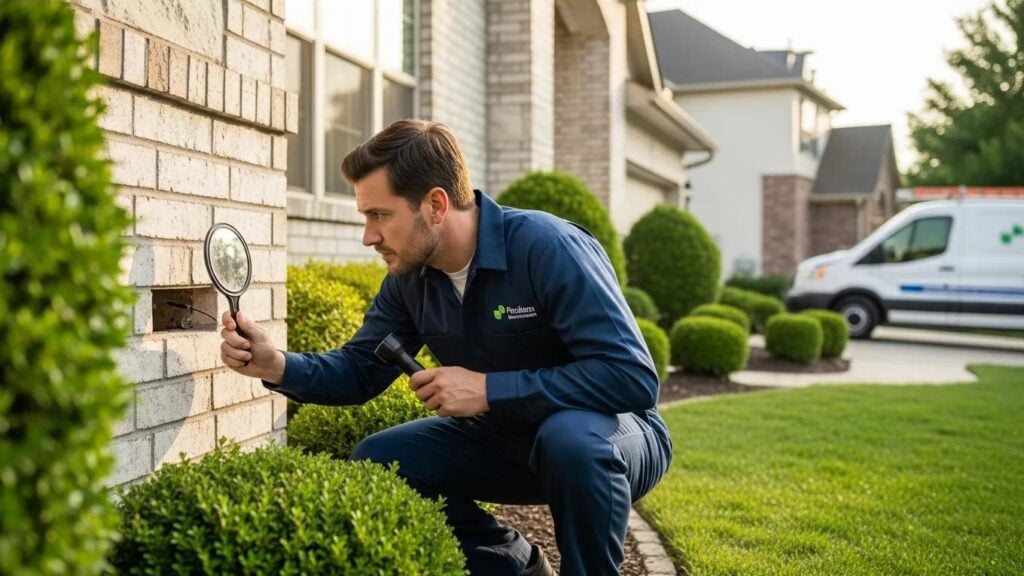
Choosing the right pest control service is essential to keep your home or business safe and healthy. With rising pest activity in Fresno, selecting a dependable company can prevent costly damage and reduce disruption. This article explains the key criteria for selecting a pest control provider, the common pests in Fresno, practical prevention measures, eco-friendly options, and how to request a free estimate. You will finish with the information needed to act before an infestation worsens.
Early action typically reduces long-term expense and repairs: small, unresolved pest problems often grow into larger infestations that require more intensive treatment and longer follow-up. Taking proactive steps after the first signs of pests gives homeowners and businesses the best chance to resolve issues quickly and minimize structural or health impacts.
Criteria for Choosing the Right Pest Control Company
Evaluate specific factors to confirm the service you select will be effective and safe for your property.
- Licensing and Certifications: Ensure the company is licensed and certified to operate in your area. This guarantees that they adhere to local regulations and standards.
- Customer Reviews and Reputation: Research customer feedback and testimonials to gauge the company’s reliability and effectiveness. A good reputation often reflects quality service.
- Experience and Expertise: Look for companies with a proven track record in pest management. Experienced technicians are more likely to handle various pest issues effectively.
After reviewing these criteria, request a free estimate to clarify costs and the scope of work. Valley Wide Pest Control, for example, provides tailored pest management solutions for residential and commercial properties across the San Joaquin Valley.
When evaluating providers, prepare a short list of specific questions to compare responses: ask which treatment methods they typically use for the pests you see, whether they offer follow-up visits and guarantees, how they protect children and pets during treatments, and whether they provide an integrated pest management (IPM) option. Collecting the same information from several companies makes comparison straightforward and helps identify any outliers in pricing or approach.
Overview of Common Pests in Fresno and Their Risks
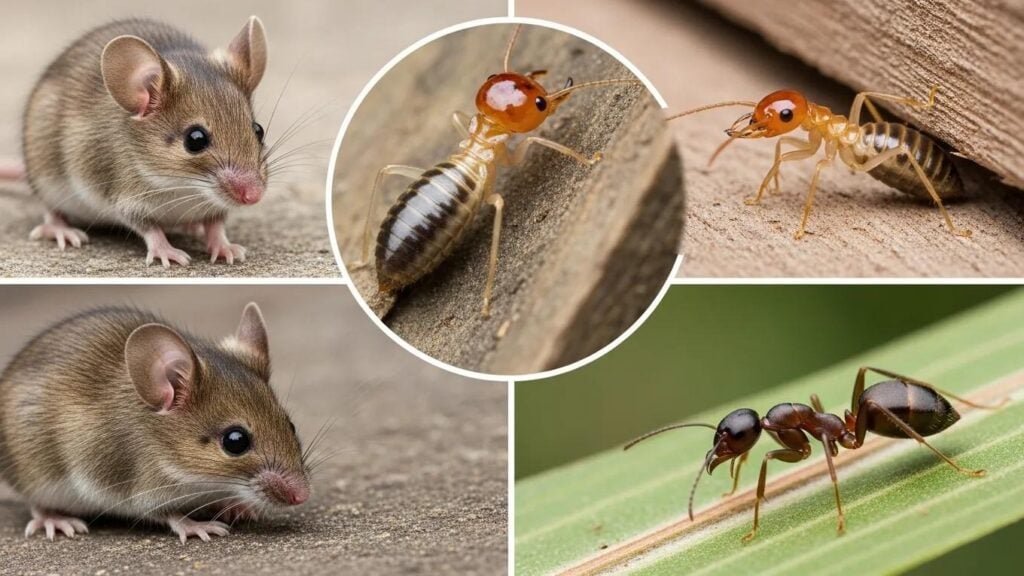
Fresno hosts a variety of pests that pose risks to both health and property. Recognizing these pests supports timely and effective control measures.
- Rodents: Mice and rats can cause structural damage and spread diseases through their droppings and urine.
- Termites: These pests can silently destroy wooden structures, leading to costly repairs if not addressed promptly.
- Ants: Certain species, like fire ants, can deliver painful stings and contaminate food supplies.
In addition to those listed above, many pest control professionals also handle cockroaches, mosquitoes, bed bugs, and stinging insects. The methods used to control these pests vary: some require targeted baits or traps, others rely on exclusion and habitat modification, and a few situations call for specialized treatments delivered by licensed technicians.
Recognizing signs of infestation—such as droppings, nests, or visible damage—is critical for early intervention. Timely action reduces health risks and limits property harm.
Preventative Pest Control Strategies
Implementing preventative measures lowers the chance of infestation. The following methods are proven and practical:
- Regular Inspections: Schedule routine inspections to identify potential pest problems before they escalate.
- Sealing Entry Points: Close off any gaps or cracks in your home’s exterior to prevent pests from entering.
- Sanitation Practices: Maintain cleanliness by properly storing food and disposing of waste to eliminate attractants.
These measures reduce infestation risk and support a healthier living environment.
| Strategy | Description | Effectiveness |
|---|---|---|
| Regular Inspections | Routine checks for signs of pests | High |
| Sealing Entry Points | Closing gaps to block pest entry | Medium |
| Sanitation Practices | Keeping areas clean to deter pests | High |
The table demonstrates how each preventative strategy contributes to reducing pest risk in the home.
Practical examples of sealing entry points include installing door sweeps, repairing torn window screens, and sealing gaps around pipes and wiring. For sanitation, focus on storing food in sealed containers, cleaning up spills promptly, and keeping outdoor garbage cans covered and away from building foundations. For inspections, keep a simple checklist or photos to track recurring issues and show technicians what you have observed prior to service.
Eco-Friendly Pest Control Options

Many homeowners now prefer eco-friendly pest control. These approaches prioritize safety for people and the environment while still addressing pest problems.
- Integrated Pest Management (IPM): This approach combines biological, cultural, and chemical practices to manage pests sustainably.
- Natural Pesticides: Products derived from natural sources can effectively control pests without harmful chemicals.
- Exclusion Techniques: Using physical barriers to prevent pests from entering your home is a sustainable and effective method.
Understanding the difference between IPM and conventional methods helps you select a sustainable and effective plan.
Integrated Pest Management vs. Traditional Pest Control
Traditional pest control involves the use of scheduled applications of pesticides by professionals as well as pesticide use by residents. In contrast, integrated pest management (IPM) involves sanitation, building maintenance, and limited use of least toxic pesticides.
Effectiveness of an integrated pest management intervention in controlling cockroaches, mice, and allergens in
New York City public housing, D Kass, 2009
Choosing eco-friendly options protects your home and reduces environmental impact.
Sustainable practices such as IPM are important because traditional broad‑spectrum insecticides present notable environmental and health concerns.
Environmental Impact of Insecticides & Sustainable IPM
The high levels of broad-spectrum insecticides used to manage invertebrates in many cities around the world has significant environmental and health impacts. Integrated pest management (IPM) is a framework for sustainable pest control, but uptake remains low in most cities.
Stakeholder co-design of sustainable urban pest management strategies, EC Lowe, 2026
In practice, an IPM plan often begins with monitoring and identification, followed by targeted interventions such as localized baiting, habitat changes, and sealing entry points. Biological controls and lower-toxicity materials are used when possible, and chemical controls are reserved as a last resort and applied in targeted ways that limit exposure.
If minimizing pesticide use is a priority, ask companies for written explanations of the products they plan to use, including active ingredients and the precautions they will take to protect household members, pets, and beneficial wildlife. A transparent provider will explain trade-offs and recommend options that align with your comfort level and goals.
How to Request a Free Estimate and Schedule Service
Requesting a free estimate is straightforward and helps you understand available services and expected costs. Follow these steps to proceed:
- Contact Methods: Reach out via phone or email to inquire about services.
- Information to Provide: Be prepared to share details about your pest problem, property size, and any previous pest control measures taken.
- Scheduling Process: Once you receive the estimate, you can schedule a service that fits your timeline.
Valley Wide Pest Control offers free estimates and can tailor services to your specific needs to establish an appropriate pest management plan.
Typical estimates outline the inspection findings, the recommended treatments, any materials to be used, the number of visits included, and follow-up or warranty terms. Some companies offer an initial phone or video consultation to triage the problem, then follow up with an on-site inspection for a more accurate quote. Ask whether the estimate is binding or might change after a detailed inspection.
Be ready to provide simple details that speed the process: the age and general condition of the property, recent renovations, pets that could be affected, and whether there are sensitive occupants such as infants, elderly adults, or individuals with respiratory conditions. This information helps the technician recommend appropriate, safe options on the first visit.
Customer Testimonials and Satisfaction Guarantees
Customer feedback is a practical tool when evaluating pest control providers. Many clients note effective results and professional service in their reviews.
- Customer Satisfaction: Positive reviews often highlight successful pest eradication and excellent customer service.
- Service Guarantees: Look for companies that offer satisfaction guarantees, ensuring that they will address any issues that arise after service.
Positive reviews and clear service guarantees offer assurance and help you select a reliable provider.
When reading testimonials, pay attention to recent reviews and responses from the company. Look for patterns that indicate consistent follow-through on warranties and clear communication during and after treatment. Red flags include repeated complaints about safety, surprise charges, or missed appointments.
To further protect your home, consider preventative pest control measures. These strategies reduce the likelihood of infestations and can save time and expense over the long term.
Frequently Asked Questions
What should I do if I suspect a pest infestation in my home?
If you suspect an infestation, identify the pest type and assess the extent of the problem. Look for droppings, nests, or visible damage. Contact a professional pest control service for a formal inspection. A trained technician will provide an assessment and recommend appropriate treatment. Early intervention limits further damage and health risks.
In the time before a professional arrives, reduce attractants: secure food in sealed containers, remove standing water, and store trash properly. Avoid applying over-the-counter pesticides in ways not specified on their labels, since improper use can reduce later treatment effectiveness or pose safety hazards.
How often should I schedule pest control services?
Service frequency depends on local pest pressure, the season, and your property’s susceptibility. Generally, plan inspections once or twice per year. High-risk properties or repeat infestations may require more frequent visits. Consult a pest control professional to determine the optimal schedule for your situation.
Some properties benefit from seasonal visits timed to interrupt pest life cycles, while other properties require focused follow-up after an initial treatment. Your technician can recommend a schedule tailored to pest types found and the level of risk around your property.
Are eco-friendly pest control methods effective?
Yes. When applied correctly, eco-friendly methods can be effective. Integrated Pest Management (IPM) combines biological, cultural, and targeted chemical controls to manage pests sustainably. Natural pesticides and exclusion techniques reduce environmental and health impacts while controlling pest populations. Choose a provider experienced in eco-friendly solutions for the best results.
Effectiveness depends on thorough identification, monitoring, and consistent follow-up. Eco-friendly approaches often require attention to housekeeping and property maintenance, so homeowner cooperation with recommendations—such as trimming vegetation away from foundations and addressing moisture issues—improves outcomes.
What are the signs of a termite infestation?
Common signs include mud tubes on walls, hollow‑sounding wood, discarded wings, and frass (termite droppings). You may also notice sagging floors or walls, which can indicate structural damage. Contact a pest control professional immediately if you observe these signs, as termites can cause significant damage if not treated.
During an inspection, technicians look for active galleries and moisture sources that attract termites. Early detection often limits the area that must be treated and reduces repair costs, so schedule an inspection if you notice new wood damage or if your property is in an area with known termite activity.
How can I prepare my home for a pest control treatment?
Prepare by clearing the treatment area and removing items that obstruct access. Keep pets and children away from treated areas during and after service. Follow any specific instructions from your pest control provider, such as sealing food or covering aquariums. Proper preparation improves treatment effectiveness and household safety.
Specific preparation steps may include vacuuming and washing floors in treated rooms, removing toys or personal items from baseboards and crawl spaces, and relocating potted plants temporarily. Your provider will outline any additional steps needed for specialized treatments, such as bed bug or termite services.
What should I look for in a pest control contract?
Review the contract for the scope of services, treatment methods, and visit frequency. Confirm any satisfaction guarantee and the availability of follow‑up services. Verify cost transparency, including fees for additional treatments. A reputable company will provide clear terms so you understand what the service includes.
Ask how the company documents treatments and what communication you will receive after service. Contracts should specify what triggers a follow-up visit and what is included in any warranty. Keep copies of invoices and treatment records for future reference.
Can I handle pest control on my own?
Minor issues can sometimes be managed with DIY measures, but many infestations require professional intervention for lasting control. DIY methods may not address root causes and can worsen the problem. Improper pesticide use can pose health risks. For significant or persistent infestations, consult a licensed pest control professional.
DIY measures are best used as short-term fixes or to complement professional treatment. If you choose a DIY product, follow label directions closely and avoid combining products that are not intended to be used together. When in doubt, seek professional advice to ensure safe and effective results.
Conclusion
Selecting the right pest control service in Fresno is essential to protect your property and health. By applying the selection criteria, understanding pest risks, and considering eco‑friendly options, you can choose a provider that meets your needs. Do not wait for a problem to escalate—request a free estimate and take proactive steps to maintain a pest‑free environment.
Careful selection, ongoing prevention, and clear communication with your pest control provider give you the best chance of long-term success. Whether you prioritize low-toxicity treatments, fast response times, or comprehensive warranties, the right company will work with you to build a practical, effective plan that fits your property and priorities.