
Cockroaches are primarily nocturnal pests that can cause considerable harm to both residential and commercial properties. Recognizing the indirect signs of an infestation when pests are not observed during daylight hours is essential for effective control. This article provides clear, practical guidance on identifying infestation indicators, understanding cockroach behavior, and applying preventive measures. It also explains the health risks associated with undetected infestations and describes when professional intervention is appropriate.
Common Signs of Infestation
Early identification of infestation indicators enables a prompt, effective response. Cockroaches commonly reveal their presence through traces rather than direct sightings. The following indicators warrant attention and further investigation:
- Droppings: Droppings resembling black pepper or coffee grounds are often found in areas where cockroaches frequent. This can signify active feeding or nesting.
- Egg Casings: Egg casings (oothecae) indicate breeding activity and can often be found in dark, hidden spaces.
- Shed Skins: Cockroaches shed their exoskeletons multiple times as they grow, so finding shed skins in corners can signal an established population.
- Smear Marks: Dark smear marks may appear on surfaces where cockroaches have moved. These are typically bodily fluids left behind by the pests.
- Unpleasant Odors: A musty, stale odor can be a strong indicator of a hidden infestation, as it results from decaying materials and active pest presence.
Each sign listed above supports early detection and targeted response. For professional assessment and comprehensive control options, consider contacting Valley Wide Pest Control.
Behavioral Patterns
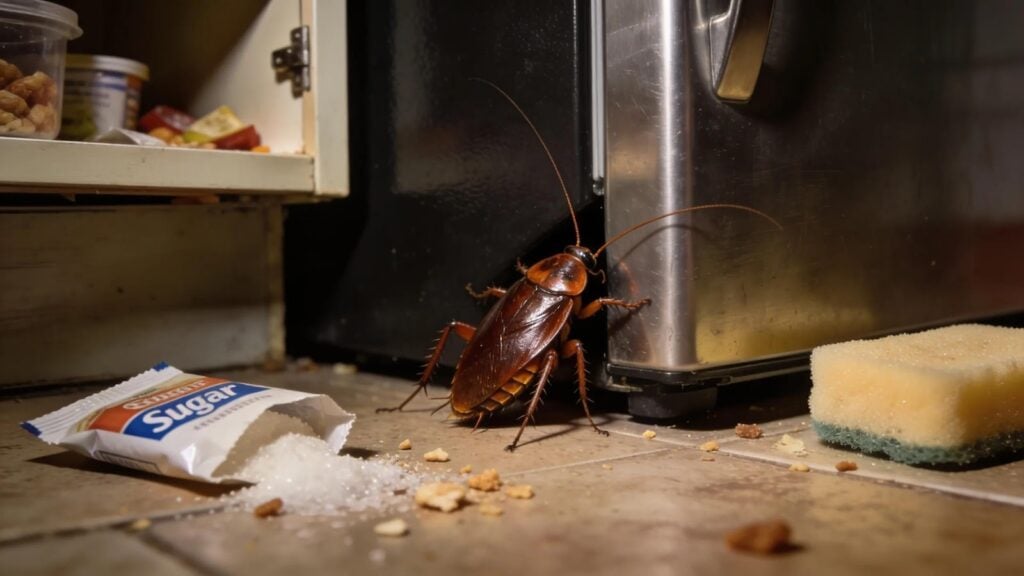
A clear understanding of cockroach behavior improves detection and prevention efforts.
Cockroaches are predominantly nocturnal and seek dark, warm refuges such as kitchens and bathrooms. They are attracted to food residues and moisture, which draw them into residential and commercial spaces. Familiarity with these behavioral patterns helps property owners identify potential infestation sites earlier and take appropriate action.
Preventive Measures

Proactive prevention materially reduces the likelihood of infestation. Implementing consistent sanitation and maintenance practices is central to long-term control.
- Maintain Cleanliness: Regularly clean kitchen surfaces and dining areas to eliminate food debris.
- Seal Entry Points: Inspect your home for cracks and gaps, especially around windows and doors, and seal them to prevent cockroaches from entering.
- Fix Moisture Issues: Repair leaky faucets and pipes to reduce water sources that attract cockroaches.
- Reduce Clutter: Decluttering storage areas minimizes hiding spots and makes it easier to spot pests early.
- Regular Inspections: Conduct routine checks in dark, hidden areas of the home to catch infestations before they spread.
To reinforce your preventive program, consider professional preventative pest control services designed to reduce pest entry and activity around the property.
When to Seek Professional Help
Recognizing when to engage licensed pest control professionals is key to effective eradication and long-term management.
If you observe multiple indicators of infestation or if home remedies fail to resolve the issue, seek professional assistance. Qualified technicians can apply targeted treatments and identify concealed harbourages to ensure a comprehensive response tailored to the specific conditions.
Health Risks Associated with Undetected Cockroach Infestations
Cockroach infestations present tangible health hazards, particularly in areas where food is prepared or consumed.
Cockroaches can carry pathogens that spread illnesses such as Salmonella and E. coli via droppings and contaminated surfaces. Their shed skins and fecal matter are also known triggers for allergic reactions and asthma exacerbations in susceptible individuals. Early detection and intervention reduce these health risks.
How to Prevent Cockroach Infestations with Effective Sanitation and Maintenance
Consistent sanitation and routine maintenance measurably reduce the risk of infestation.
Key practices include the following:
- Effective Cleaning: Regular cleaning throughout the home, particularly in kitchens and bathrooms, is essential to eliminate food sources that attract cockroaches.
- Proper Food Storage: Store food in airtight containers to prevent cockroaches from accessing and stealing it
- Regular Waste Removal: Dispose of garbage regularly to minimize food sources that may attract cockroaches.
- Fixing Leaks: Repair any leaks to deter cockroaches, who thrive in moist environments.
- Sealing Entry Points: Use caulk to seal cracks and gaps around windows and doors, making it harder for cockroaches to enter.
Best Practices in Cleaning and Decluttering to Discourage Cockroaches
A disciplined cleaning and decluttering regimen reduces harbourage and food availability for cockroaches. Adopt systematic routines that prioritize high-risk areas.
- Frequent Cleaning: Wipe down surfaces in the kitchen and dining areas after meals to remove potential food sources.
- Minimizing Clutter: Avoid accumulating items in storage areas that provide hiding spaces for cockroaches.
Routine Inspection and Environmental Controls for Long-Term Cockroach Prevention
Routine inspections and environmental controls form the foundation of sustainable pest management.
Inspect commonly infested locations regularly and control humidity and ventilation to maintain dry conditions. These measures reduce the environmental suitability for cockroaches and support long-term prevention.
When and Why Should You Schedule Professional Cockroach Control Services in Fresno?
There are circumstances in which professional intervention is the most effective course of action.
If you encounter fresh droppings or nests, contact a pest control provider. Professionals employ specialized techniques and products to develop customized treatment plans that address your property’s specific needs, increasing the likelihood of durable results. For further information, see Valley Wide Pest Control.
What Does a Professional Cockroach Inspection Involve?
Awareness of the inspection process helps property owners prepare and cooperate with technicians.
Inspectors typically perform a systematic visual survey to identify droppings, oothecae, and other evidence of infestation. They may use diagnostic instruments, such as moisture meters, to evaluate conditions that favor activity. A brief interview regarding recent pest encounters allows technicians to tailor their assessment and recommendations.
Benefits of Customized and Environmentally Responsible Cockroach Treatment Plans
Customized, environmentally considerate treatment plans deliver effective control while limiting non-target impacts.
These plans focus on targeted interventions that increase efficacy and reduce unnecessary pesticide use. Environmentally responsible providers prioritize methods that protect resident health and the surrounding environment. Over time, tailored programs can also reduce recurring infestations and the associated costs.
Vigilance for different signs and symptoms of cockroach activity is necessary to ensure timely monitoring and intervention.
| Sign | Description | Implication |
|---|---|---|
| Droppings | Small, dark droppings resembling coffee grounds | Indicates active foraging |
| Egg Casings | Oothecae found in hidden areas | Sign of breeding activity |
| Shed Skins | Exoskeletons left behind | Signals active growth stages |
Prompt recognition and action are critical to protect your property from a developing infestation. Timely intervention preserves occupant health and maintains comfort within the affected spaces.
If you require immediate assistance or wish to discuss a specific pest issue, please contact Valley Wide Pest Control.
Frequently Asked Questions
1. How do I know if I have a cockroach problem even if I haven’t seen any?
Absence of live sightings does not rule out infestation. Look for indirect evidence such as small, dark droppings resembling coffee grounds, egg casings, shed skins, dark smear marks, or a persistent musty odor. Inspect concealed areas in kitchens and bathrooms regularly; these indicators often precede visible activity and warrant further investigation.
2. Can cockroaches be harmful to my health?
Yes. Cockroaches can transmit pathogens such as Salmonella and E. coli via contaminated surfaces and food. Their droppings and shed skins can also provoke allergic reactions and exacerbate asthma in sensitive individuals. Early identification and remediation reduce these health risks.
3. What are some natural methods to deter cockroaches?
Natural deterrents can supplement prevention efforts. Maintain rigorous cleanliness, seal entry points, and remove food and water sources. Materials such as diatomaceous earth and certain essential oils (for example, peppermint) are commonly used as non-chemical deterrents. Regular inspections remain essential to verify effectiveness.
4. How often should I perform inspections for cockroaches?
Conduct inspections at least monthly, focusing on dark, hidden spaces such as behind appliances, inside cabinets, and under sinks. Increase inspection frequency if any signs of activity appear. Early detection facilitates more effective management and reduces the likelihood of escalation.
5. What should I do if I find a dead cockroach?
Discovery of a dead cockroach can indicate an underlying infestation. Remove and dispose of the specimen safely, then inspect surrounding areas for additional evidence. If multiple signs are present or uncertainty remains, consult pest control professionals for a comprehensive inspection and recommended treatment.
6. Are there specific seasons when cockroach infestations are more common?
Infestations can occur year-round, but cockroach activity often increases in warmer months. They thrive in warm conditions and may seek shelter indoors as external temperatures change. Maintaining preventive measures throughout the year mitigates seasonal risk.
7. How can I find a reliable pest control service?
To locate a dependable provider, review local companies, examine customer feedback, and verify credentials. Seek firms that offer customized treatment plans and environmentally responsible options. Confirm licensing and insurance status, and obtain multiple consultations to compare approaches and pricing before making a decision.
Conclusion
Recognizing the signs of a cockroach infestation enables prompt intervention and helps maintain a safe, healthy environment. Monitoring for droppings, egg casings, and other indicators allows you to act decisively or to engage professional assistance when required. Consistent inspections and rigorous sanitation reduce the likelihood of infestation. For experienced pest management support, contact Valley Wide Pest Control for expert guidance and service.