
Termites can cause significant damage if not detected early. Regular termite inspections are therefore essential for homeowners in Fresno. This article outlines the key indicators of termite activity, proven inspection techniques, and preventive measures to protect your property. It also reviews common signs, the inspection process, treatment options, and how Valley Wide Pest Control can assist in managing termite issues effectively. After reading, you will know how to identify potential problems and take proactive steps to safeguard your home. Use these guidelines to prepare for a professional inspection, ask informed questions, and prioritize repairs that reduce long-term risk.
Key Indicators of Termite Activity:
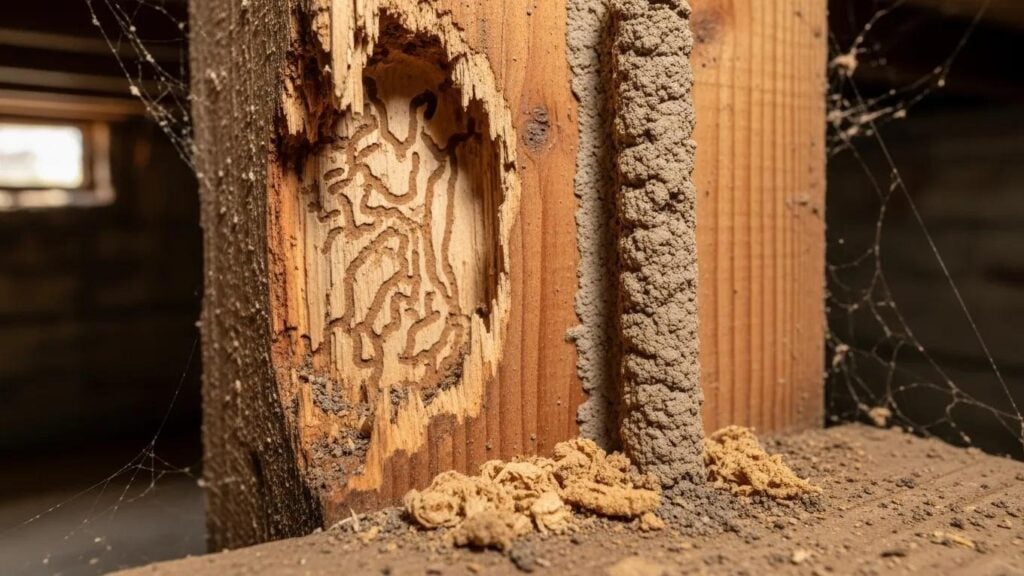
Recognizing signs of termite activity is the first step to preventing major damage. Be alert to several clear indicators of termite presence.
- Hollowed Wood: Termites consume wood from the inside out, leaving a thin layer on the surface. Tapping on wood surfaces can reveal hollow sounds, indicating potential infestation. Check baseboards, door frames, and the undersides of exposed joists where hollowing is most clearly evident.
- Mud Tubes: These are pencil-sized tubes made of soil and wood particles that termites use to travel between their nests and food sources. Finding mud tubes on walls or foundations is a strong indicator of termite activity. Follow the tube to determine whether it connects to a soil source or interior voids.
- Frass: This term refers to termite droppings, which resemble small pellets or sawdust. Discovering frass near wooden structures can signal an active infestation. Frass accumulations are often found on windowsills, around baseboards, or under infested furniture.
- Discarded Wings: After swarming, termites shed their wings. Finding discarded wings near windows or doors can indicate a nearby colony. Note the timing and quantity of wings — swarming season clues can help a professional locate the source.
Spotting these signs early allows homeowners to act quickly and limit damage.
Understanding these visual cues is critical; undetected termite damage can carry substantial economic consequences.
Termite Damage Costs & Visual Signs in Buildings
ABSTRACT: Globally, the annual economic cost of termite damage and termite prevention in the housing sector is estimated in the billions. However, in sub-Saharan African countries, data on damage and the cost of termite-related maintenance are scarce. This study was designed to investigate termite damage to public and residential buildings and to quantify the financial cost of termite-related building maintenance, with the intent of building homeowners’ capacity to deploy cost-effective prevention and control measures in Benue State, Nigeria. Four Local Government Areas (LGAs) in all were selected: Makurdi and Otukpo representing urban LGAs, and Ushongo and Ogbadibo representing rural LGAs. Termite infestation was based on visual observations of signs, including termite mud tunnels on walls, wall pores, and damage to roofs, windows, door frames, and wooden furniture.
Termite Damage to Buildings in Benue State, Nigeria: Termite Diversity and Nature of Attacks, Economic Cost of Maintenance and Residents’ Perception and …, EA Omudu, 2025
Inspection Techniques:
Effective inspections use several methods to detect infestations.
- Visual Inspection: A thorough visual inspection of the property, including the foundation, walls, and wooden structures, is essential. Look for signs of damage, mud tubes, and frass. Inspectors will often move stored items and look inside closets and crawl spaces to reveal hidden evidence.
- Common Trouble Spots: Pay special attention to areas prone to moisture, such as basements, crawl spaces, and areas around plumbing fixtures, as these are attractive to termites. Exterior wood-to-soil contact, firewood piles near foundations, and poorly ventilated attics are frequent trouble spots.
- Professional Inspection: Engaging a professional pest control service can provide a more comprehensive assessment. Experts use specialized tools and techniques to detect hidden infestations. A trained technician will combine experience, targeted probing, and documentation to recommend the next steps.
Applying these methods helps ensure termite activity is identified promptly and that recommendations are based on observed conditions rather than assumptions.
Preventive Measures:
Preventive measures are essential to avoid termite infestations.
- Regular Inspections: Schedule annual termite inspections to catch potential issues early. Regular checks can help identify signs of activity before they escalate and provide an opportunity to correct vulnerabilities.
- Moisture Control: Reducing moisture around your home can deter termites. Ensure proper drainage, fix leaks, and use dehumidifiers in damp areas. Clear gutters, redirect downspouts away from the foundation, and maintain proper grading to keep soil dry.
- Proper Landscaping: Maintain a safe distance between soil and wooden structures. Avoid planting trees or shrubs too close to the foundation, as this can create a pathway for termites. Use gravel or concrete spacing under decks and porches where feasible.
These preventive steps significantly reduce the risk of termite infestations for homeowners and make long-term monitoring simpler.
Valley Wide Pest Control Inc is a Fresno-based pest control company that provides comprehensive pest management services, including termite inspection and control. Their trained technicians help protect homes from termite damage. When working with a professional, expect clear documentation of findings and suggested follow-up actions.
What Are the Common Signs of Termite Infestation in Fresno Homes?
Identifying common termite signs is essential for homeowners.
- Hollowed Wood: As mentioned earlier, hollowed wood is a clear indicator of termite activity. Inspect wooden structures for any signs of hollowness, particularly in load-bearing areas.
- Mud Tubes: Look for mud tubes on exterior walls or foundations, as these are a direct sign of termite presence. Break a small section carefully to see if termites are active inside; report findings to your inspector.
- Frass: Finding frass near wooden areas can indicate an active infestation. Accumulations may be mistaken for sawdust from normal home projects, so check patterns and locations.
- Discarded Wings: Check for discarded wings around windows and doors, which can signal a nearby colony. Note whether wings are recent and if swarmers were observed indoors.
How to Identify Visible Termite Damage and Mud Tubes
Inspect wooden structures for hollowing. Tap wood to detect hollow sounds that indicate infestation. Also check walls and foundations for mud tubes. Regular inspections catch these signs before damage becomes extensive and make repair estimates more accurate.
Recognizing Subtle Indicators: Swarmers, Frass, and Wood Hollowing
Swarmers, frass, and wood hollowing are subtle but important indicators. Swarmers are winged termites that leave the colony to form new nests; finding them indoors, especially in spring, can signal an active infestation. Frass—termite droppings—also indicates activity. Homeowners should monitor for these signs and act promptly, documenting what they find with photos and notes to share with the inspector.
How Does the Termite Inspection Process Work in Fresno?
The inspection process follows key steps to provide a thorough property assessment.
- Initial Assessment: The inspector will begin by assessing the property for visible signs of termite activity.
- Exterior Inspection: The exterior of the home will be inspected for mud tubes, damaged wood, and other indicators of termite activity.
- Interior Assessment: The inspector will then examine the interior, including basements, crawl spaces, and attics, for signs of infestation.
This comprehensive approach evaluates all potential problem areas and guides a tailored treatment plan when required.
Step-by-Step Overview of Professional Termite Inspections
Professional termite inspections typically follow a structured process:
- Initial Assessment: Inspectors assess the property for visible signs of termites.
- Exterior Inspection: The exterior is inspected for mud tubes and damaged wood.
- Interior Assessment: Inspectors examine the interior, focusing on high-risk areas such as basements and crawl spaces.
- Documentation: A detailed report is provided, outlining findings and recommendations.
This structured process delivers a complete evaluation and clear recommendations that homeowners can use to prioritize corrective actions and budget for repairs if needed.
What Tools and Techniques Are Used During Inspections?
Inspectors use specialized tools to detect concealed activity, including:
- Moisture Meters: These devices help detect moisture levels in wood, which can indicate potential termite attraction. Elevated moisture readings can point to leaks or other conditions that favor termites.
- Thermal Imaging: Thermal cameras can detect temperature differences in walls, helping to locate hidden infestations. Thermal scans are useful for prioritizing which walls or sections to open or remove for closer inspection.
- Flashlights: Inspectors use flashlights to examine dark areas, such as crawl spaces and attics, for signs of termites. Good lighting can reveal subtle galleries, droppings, or damaged grain patterns in timbers.
These tools improve detection and make inspections more accurate, and notes from each tool are usually included in the inspection report.
In addition to standard tools, advanced technologies such as X-ray computed tomography are emerging to reveal hidden termite galleries.
CT Scan Termite Detection: Visualizing Hidden Damage
In recent years, X-ray computed tomography (CT) has been developed as a reliable indirect method for insect studies. Here, we present a 3D volume visualization of the hidden gallery system of drywood termites using computed tomography. Structural timbers infested by the western drywood termite, Incisitermes minor, with various dimensions were subjected to X-ray CT scanning analysis. The tomographic data were reconstructed via direct volume rendering in a volume graphics application. By rendering the tomographic data set, timber properties such as springwood, summerwood, and knots can be characterized, and by further specifying the opacity area, the nest-gallery systems within the timbers can be visualized. This technique enables us to understand more biological features of this cryptic termite.
Volume visualization of the hidden gallery system of drywood termite using computed tomography: a new approach to monitoring termite infestation, SK Himmi, 2017
What Are the Available Termite Treatment Options in Fresno?
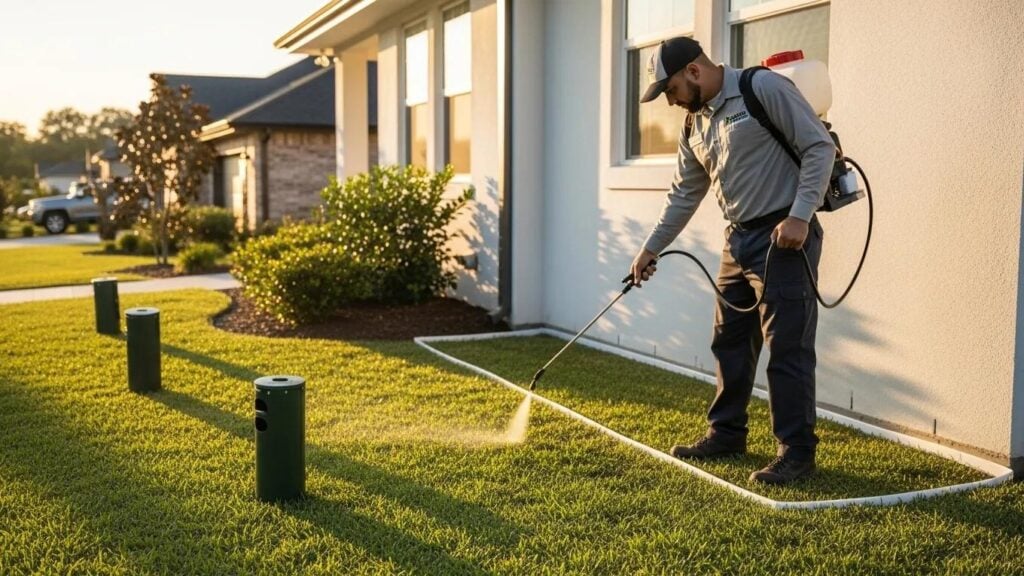
Homeowners in Fresno can choose from several established treatment options for termite infestations.
- Liquid Termiticides: These chemical treatments are applied to the soil around the foundation to create a barrier against termites. Professionals may trench and treat soil to reduce active foraging and protect exposed wood.
- Bait Systems: Bait systems involve placing bait stations around the property to attract and eliminate termites. Baiting is a monitoring-focused approach that can reduce colonies over time when used as part of a comprehensive program.
- Wood Treatments: Wood treatments can be applied to existing structures to protect against future infestations. Surface applications and targeted injections protect vulnerable timbers and can be used alongside perimeter measures.
Understanding these options helps homeowners select the most suitable approach for their situation and discuss expected timelines and follow-up with a pest control professional.
Beyond common methods, termite control includes advanced baiting, monitoring, and physical barrier strategies.
Termite Control Strategies: Baiting, Monitoring & Physical Barriers
ABSTRACT: 抄録This paper reviews the literature on foraging populations and control of subterranean termites with special reference to baiting. Studies on foraging populations of subterranean termites generally involved population characterization and estimation of foraging territories. Population characterization was normally conducted using mark-recapture techniques (single or triple) by trapping subterranean termites in underground monitoring stations, followed by marking the insects using histological dyes. Methods of studying foraging territories of subterranean termites involved the use of radioisotopes, direct excavation, histological dyes, fluorescent paints, and conducting agonistic behavioral experiments. Subterranean termite control strategies included chemical, biological, and physical control methods. The soil treatment and baiting methods were common chemical methods, while the use of specific sand or granite particles, and stainless steel mesh are recent advances in physical exclusion
Foraging populations and control strategies of subterranean termites in the urban environment, with special reference to baiting, CY Lee, 2004
Comparing Liquid Termiticides and Bait Systems
When comparing liquid termiticides and bait systems, consider factors such as:
- Effectiveness: Liquid termiticides provide immediate protection, while bait systems may take longer to eliminate infestations. Discuss the expected response time with your provider.
- Application Methods: Liquid treatments require soil application, while bait systems involve placing stations around the property. Accessibility, landscaping, and irrigation may affect the chosen method.
- Cost Considerations: Liquid termiticides may have a higher upfront cost, but bait systems can require ongoing maintenance. Weigh initial expense against monitoring and service needs over time.
This comparison supports informed treatment decisions and helps homeowners plan follow-up inspections and budgets.
How Valley Wide Pest Control Ensures Effective Termite Control
Valley Wide Pest Control uses a comprehensive approach to termite control to manage infestations effectively.
- Detailed Inspections: Their team conducts thorough inspections to identify signs of termite activity.
- Treatment Options: They offer a range of treatment options tailored to each property’s specific needs.
- Local Expertise: With extensive knowledge of the Fresno area, they understand the unique challenges posed by local termite species.
Their expertise and tailored solutions deliver effective termite control. Homeowners should ask for a clear scope of work, documentation of treatments, and guidance on post-service monitoring.
How Much Does a Termite Inspection Cost in Fresno?
Inspection costs in Fresno vary according to several factors.
- Factors Affecting Cost: The size of the property, the severity of any infestation, and site access can all influence inspection pricing.
- Average Price Range: Homeowners can expect to pay between $100 and $300 for a comprehensive termite inspection.
Knowing these factors helps homeowners budget for necessary inspections and prepare questions for the inspector to ensure they get value for their cost.
Factors Influencing Termite Inspection Pricing
Several factors influence inspection pricing:
- Property Size: Larger properties may require more time and resources to inspect, increasing costs.
- Infestation Severity: Properties with known infestations may require more extensive inspections, which can affect pricing.
- Site Access : Difficult-to-access areas may require additional effort, increasing overall cost.
These factors should be considered when planning inspections and comparing estimates from providers.
Are Free Estimates and Service Guarantees Available?
Many pest control firms, including Valley Wide Pest Control Inc, provide free estimates and service guarantees.
- Free Estimates: Homeowners can request free estimates to understand the potential costs of termite inspections and treatments.
- Service Guarantees: Many companies offer service guarantees, ensuring customer satisfaction and peace of mind.
These services help homeowners make confident pest-control decisions and reduce the uncertainty of follow-up obligations.
What Are the Best Termite Prevention Tips for Fresno Homeowners?
Preventing termite infestations is critical for homeowners in Fresno.
- Regular Inspections: Schedule annual inspections to catch potential issues early.
- Moisture Control: Address any moisture issues around the home to deter termites.
- Proper Landscaping: Maintain a safe distance between soil and wooden structures to prevent termite access.
Implementing these tips significantly reduces the risk of infestations and keeps your property in better condition for resale or renovation.
Routine Maintenance Practices to Avoid Termite Infestations
Adopt routine maintenance practices to prevent termite infestations:
- Regular Inspections: Conduct annual inspections to identify signs of termite activity.
- Moisture Control: Fix leaks and ensure proper drainage to reduce moisture levels around the home.
- Sealing Entry Points: Seal cracks and crevices in the foundation to prevent termite access.
These practices support a termite-free environment and can reduce the scope of treatments should an issue arise.
How Can Termite Damage Be Repaired After an Infestation?
Repairing termite damage requires careful assessment and professional assistance.
- Assessing Damage: A thorough inspection is necessary to evaluate the extent of termite damage.
- Repair Costs: Repair costs can vary based on the severity of the damage and the materials required.
- Working with Professionals: Collaborating with pest control and repair professionals can ensure effective damage restoration.
Understanding the repair process helps homeowners manage post-infestation challenges and schedule repairs to limit further deterioration.
Assessing Structural Damage and Repair Costs
To assess structural damage, homeowners should:
- Conduct Inspections: Inspect the affected areas for visible damage and signs of infestation.
- Evaluate Extent of Damage: Determine how much of the structure has been compromised.
- Estimate Repair Needs: Work with professionals to estimate the costs and materials required for repairs.
This assessment is essential for successful restoration and for obtaining accurate contractor quotes.
Working with Professionals for Effective Termite Damage Repair
Working with professionals for termite repair involves:
- Selecting Professionals: Choose experienced pest control and repair specialists to handle the restoration process.
- Repair Process: Follow a structured repair process to ensure all damage is addressed.
- Expected Outcomes: Understand the expected outcomes of the repair work to ensure satisfaction.
Working with experienced specialists leads to effective restoration and peace of mind; always ask for references and documented guarantees where available.
Why Choose Valley Wide Pest Control for Termite Inspection and Control in Fresno?
Valley Wide Pest Control Inc is recognised for its expertise in termite inspection and control.
- Expertise: Their team has extensive knowledge of local termite species and effective management strategies.
- Services Offered: They provide a range of services, including inspections, treatments, and preventive measures.
- Customer Testimonials: Many satisfied customers attest to the effectiveness of their services and commitment to quality.
Choosing Valley Wide Pest Control ensures homeowners receive professional service and support. Discuss scheduling, expected timelines, and any documentation you will receive after the visit.
Local Expertise and Proven Results in the San Joaquin Valley
Valley Wide Pest Control’s local knowledge of the San Joaquin Valley allows it to provide tailored solutions that effectively address local infestations.
To further protect your home, consider preventative pest control measures.
Customer Testimonials and Satisfaction Guarantees
Customer satisfaction is a priority for Valley Wide Pest Control They offer service guarantees and have received positive feedback from clients who value their thorough inspections and effective treatments. This commitment to quality helps homeowners trust their services.
If you have any questions or need to schedule an inspection, contact us today.
Frequently Asked Questions
What Are the Long-Term Effects of Termite Damage?
Termite damage, if left untreated, can cause major structural problems. Over time, wooden elements may weaken, causing sagging floors, warped walls, and in severe cases, collapse. Repair costs can reach thousands of dollars. Property value may decline, and selling a home can become more difficult. Regular inspections and prompt treatment are essential to reduce these long-term impacts. Early intervention both lowers repair costs and preserves the home’s structural integrity.
How Often Should Homeowners Schedule Termite Inspections?
Schedule termite inspections at least once a year. If you live in a high-risk area or have had previous infestations, consider more frequent checks. Inspect during spring and summer when swarming activity is more common. Regular inspections ensure signs of termite activity are identified early. Pair inspections with routine maintenance to reduce the chance that minor issues develop into infestations.
Can Homeowners Perform Their Own Termite Inspections?
Homeowners can perform basic visual checks for mud tubes, frass, and hollowed wood. For a complete assessment, hire a professional with the training and tools to detect hidden infestations and recommend appropriate treatments. DIY inspections may miss subtle signs that experts will catch. Keep a simple checklist and take photos to track suspected issues between professional visits.
What Should Homeowners Do If They Find Termite Signs?
If you find signs of termites, act immediately. Avoid disturbing affected areas. Contact a professional pest control service for a full inspection and a documented treatment plan. Prompt action minimizes further damage and repair costs. Implement preventive measures to reduce the chance of recurrence. Document findings and share them with the inspector to speed diagnosis and treatment planning.
Are There Eco-Friendly Termite Treatment Options Available?
Yes. Eco-friendly options include biological agents such as nematodes and physical materials like diatomaceous earth. Some bait systems use reduced-toxicity active ingredients. Consult a pest control professional to evaluate environmentally preferable solutions that meet your performance and safety priorities. Discuss trade-offs, as eco-friendly options may require different monitoring approaches.
How Can Homeowners Protect Their Property from Future Infestations?
To protect your property, schedule regular inspections and control moisture by fixing leaks and ensuring proper drainage. Keep soil and vegetation clear from wooden structures and avoid storing wood near the foundation. These proactive steps will significantly reduce the risk of termites. Combine physical measures with routine monitoring and timely professional follow-up when signs appear.
Conclusion
Understanding the value of comprehensive termite inspections can save Fresno homeowners from costly damage and extensive repairs. By recognizing key indicators and implementing preventive measures, you can protect your property effectively. Do not wait for signs of infestation; schedule your inspection with Valley Wide Pest Control Inc today. Take the first step toward safeguarding your home and securing peace of mind.