
Termites can cause extensive, often concealed damage to a property, yet many homeowners do not recognize the early signs of infestation. Recognizing how termite damage presents is essential for timely intervention. This guide offers a clear, room-by-room reference to the common indicators and types of damage so homeowners can respond promptly and limit structural loss.
This article reviews the typical signs of infestation, provides a room-by-room identification strategy, and summarises key preventive measures, inspection routines, and treatment options. Applied correctly, this information helps homeowners protect their property and maintain confidence in their home’s structural integrity.
What Are the Common Signs of Termite Damage in the Home?
Early identification of termite activity can substantially reduce repair costs and disruption. Common indicators include:
- Mud Tubes: These are pencil-sized tunnels made from soil, wood, and saliva that termites use to travel between their nest and food sources. Finding mud tubes along walls or foundations is often the first sign of infestation.
- Hollow Wood: Termite-infested wood may sound hollow when tapped. This sound occurs because termites eat from the inside out, leaving the outer shell intact.
- Frass: Also known as termite droppings, frass resembles sawdust or small wood particles and often collects near infested areas.
- Swarmers: These are winged termites that leave the colony to mate and start new colonies. Finding discarded wings around windows or doors is a key sign of a termite presence.
Routine inspections for these warning signs enable homeowners to detect infestations before they progress.
Valley Wide Pest Control Inc. provides local pest control services in Fresno and the San Joaquin Valley for both residential and commercial properties. They conduct timely inspections and recommend treatment plans to help homeowners effectively manage termite threats.
Which Early Termite Infestation Signs Should Homeowners Recognize?
Detecting termites at an early stage is essential. Homeowners should monitor the following indicators:
- Hollow-Sounding Wood: Tapping on wooden structures can reveal hollow sounds that indicate termite activity inside.
- Mud Tubes: Search for these structures along the foundation and exterior walls, as they allow termites to travel.
- Discarded Wings: After swarming, termites leave behind discarded wings, often found near windows or doors.
Identifying these signs at an early stage reduces the risk of extensive structural damage and costly repairs.
How Does Termite Damage Affect Different Types of Wood and Building Materials?
The extent and pattern of termite damage depend on the wood or building material involved. Understanding these differences helps homeowners assess vulnerability and prioritize inspections.
| Material Type | Impact of Termite Damage | Recommendations |
|---|---|---|
| Softwoods | More susceptible to damage due to lower density, leading to quicker infestations. | Use pressure-treated wood or natural repellents during construction. |
| Hardwoods | Resistance varies, but extensive damage can still occur; typically takes longer to infest. | Regular inspections and treatments can help maintain integrity. |
| Building Materials (e.g., drywall) | Termites can damage structural support and insulation while also affecting aesthetics. | Ensure proper drainage and ventilation to avoid moisture accumulation, a key attractant for termites. |
This comparison illustrates how susceptibility varies by material and reinforces the need for regular maintenance and preventative measures for all properties.
How to Identify Termite Damage Room-by-Room: Detailed Signs for Homeowners
A thorough, area-by-area inspection reveals distinct signs of termite activity. Below are the key indicators to check in common living spaces.
What Does Termite Damage Look Like in Kitchens and Bathrooms?
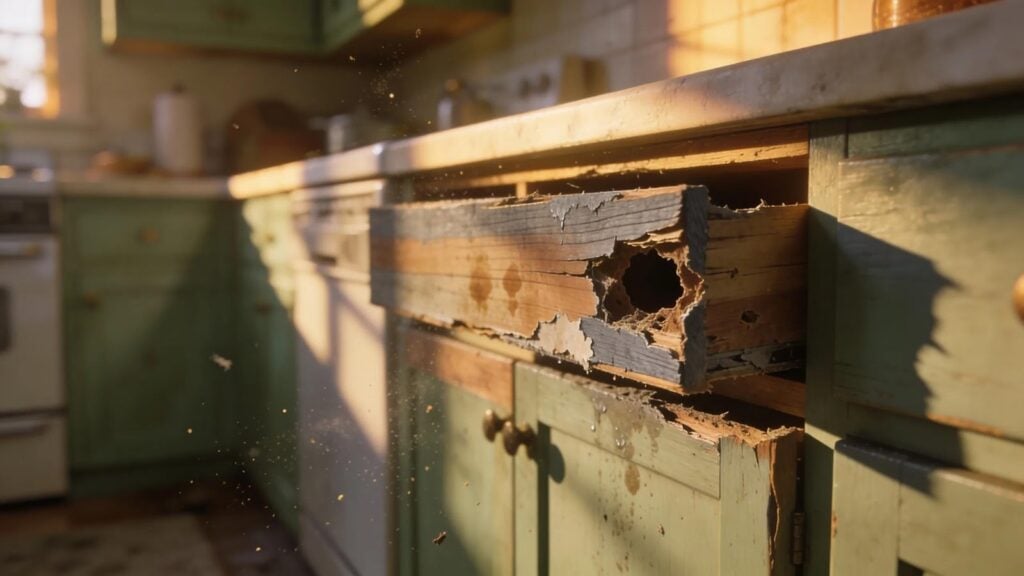
Termite activity in kitchens and bathrooms typically presents as:
- Cabinetry Damage: Hollow sounds when knocking on cabinetry may indicate an infestation within the wood.
- Moisture Levels: These areas are typically more humid, making them ideal for termites. Be vigilant for signs of water damage that could attract termites.
- Paint and Wallpaper Issues: Bubbles or peeling may indicate moisture behind surfaces, creating a conducive environment for termite activity.
Inspect these rooms regularly, particularly after leaks or other moisture events, to detect infestations early.
How to Spot Termite Damage in Living Rooms and Bedrooms?
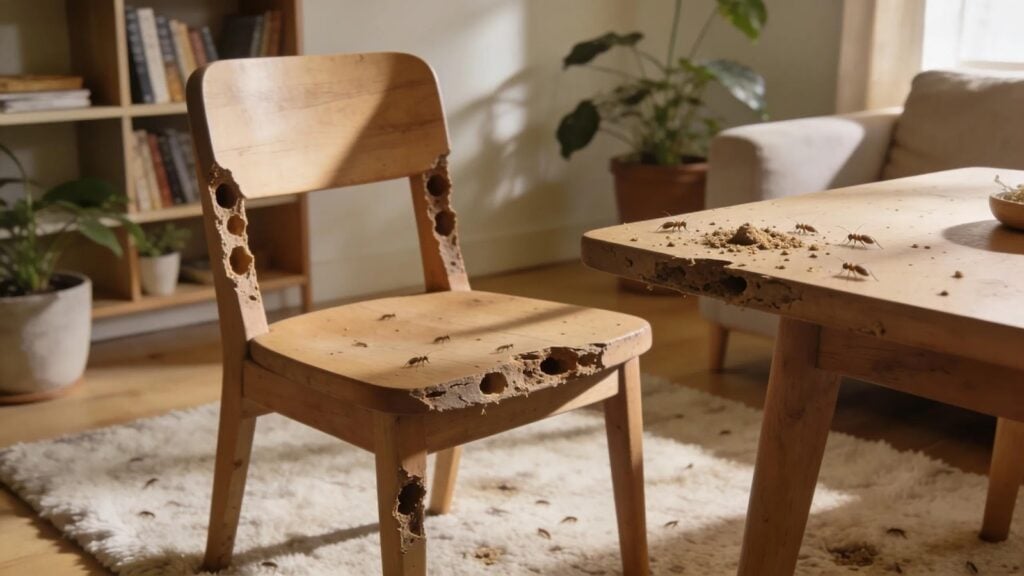
Living rooms and bedrooms can conceal termite activity. Watch for the following warning signs:
- Furniture Checks: Inspect wooden furniture, including chairs and tables, for hollow spots or visible frass.
- Structural Beams: Look for load-bearing structures in the ceiling or walls; termite damage here can compromise your home’s integrity.
- Overlooked Signs: Homeowners often consider creaking noises as normal; however, if audible sounds correspond with visual inspections revealing mud tubes or droppings, further action is necessary.
Being alert to these indicators enables homeowners to arrange a professional assessment before damage worsens.
What Is Included in a Thorough Termite Inspection Checklist for Homeowners?
A thorough inspection should cover the following elements to evaluate potential termite activity:
- Visual Checks: Inspect external and internal wood structures for signs of damage or infestation.
- Moisture Assessment: Identify areas where moisture accumulates; these are prime spots for termite activity.
- Symptom Search: Regularly check for frass, mud tubes, and discarded wings as part of annual maintenance.
Following this checklist helps homeowners identify issues before they require major repairs.
Which Tools and Techniques Are Used to Detect Hidden Termite Damage?
Understanding common inspection tools and techniques can help homeowners better interpret findings. Typical methods include:
- Moisture Meters: These devices detect elevated moisture levels in wood, which can indicate potential termite problems.
- Borescope: A specialized camera that allows inspectors to view hidden spaces inside walls and other structures without causing damage.
- Sounding Techniques: Tapping surfaces to listen for hollow sounds can help inspectors pinpoint affected areas.
How Often Should Homeowners Schedule Professional Termite Inspections?
Regular professional inspections are essential. Consider these timing guidelines:
- Frequency: Annual inspections are recommended for homes in areas known for termite activity or with a history of infestations.
- Seasonal Factors: Increased moisture in spring and summer attracts termites, making inspections crucial during these periods.
- Property Type Consideration: Older homes or those with wood rot should have inspections performed more frequently, as they are at a higher risk.
Scheduling inspections as part of routine maintenance reduces the likelihood of undetected infestations and preserves property value.
What Are the Available Termite Treatment Options to Address Infestations?
When an infestation is confirmed, licensed professionals can recommend appropriate treatments, such as:
- Chemical Treatments: These involve liquid treatments applied to the soil around a home to create a barrier against termites. Effectiveness varies by method, and it’s essential to discuss options with pest control experts.
- Non-Chemical Treatments: Options such as heat treatments or baiting systems can effectively eliminate termites without chemicals.
- Cost Considerations: Treatment costs can vary significantly; homeowners should discuss pricing during their pest control consultation.
How Do Chemical and Non-Chemical Treatments Prevent Further Termite Damage?
Chemical and non-chemical treatments both aim to eradicate colonies and prevent reinfestation.
- Chemical Solutions: These substances can provide long-term protection due to their persistence in the environment; however, their application should be performed by a licensed professional to assess effectiveness and potential environmental impacts.
- Non-Chemical Solutions: Methods such as bait systems target termite colonies directly, providing localized treatments that minimize chemical exposure in the environment.
- Effectiveness: While chemical options are widely used, many homeowners are exploring non-chemical alternatives for various health and environmental reasons. Understanding the pros and cons of both types helps in making an informed choice.
What Specialized Termite Control Plans Are Recommended for Fresno and San Joaquin Valley Homes?
Local pest control providers offer treatment plans tailored to the conditions of Fresno and the San Joaquin Valley.
- Local Expertise: Professionals understand the specific termite species and environmental factors affecting the area.
- Customized Solutions: Plans may include preventive measures suitable for the local climate and building types to maximize effectiveness.
- Success Stories: Homeowners often share their experiences with local services, highlighting the importance of community-based, knowledgeable assistance for effective pest management.
How to Estimate Termite Damage Repair Costs and Plan Restoration
Understanding repair costs is essential when termite damage occurs.
- Extent of Damage: The severity significantly influences repair costs. Areas that require extensive structural repairs will incur higher associated expenses.
- Cost Ranges: Repair costs can vary widely; for example, minor damage can range from $300 to $1,000, while extensive structural repairs may cost upwards of $5,000.
- Professional Evaluations: Obtaining assessments from pest control specialists and contractors can help homeowners accurately estimate potential costs.
What Factors Influence the Cost of Termite Damage Repair?
Repair costs depend on several factors, including:
- Type of Repairs Required: Structural repairs often cost more than cosmetic fixes.
- Professional Fees: Engaging qualified professionals may increase upfront costs but can save money in the long run by ensuring thorough repairs are performed.
- Location: Regional price variations can affect overall expenses; urban areas may have higher service rates than rural areas.
Awareness of these variables enables homeowners to obtain accurate estimates and budget for repairs.
Are There Guarantees or Warranties Offered with Termite Repair Services?
Many pest control companies offer warranties and guarantees to give homeowners confidence in their treatments and repairs.
- Types of Guarantees: These can range from limited-term warranties for specific treatments to ongoing service agreements that cover future inspections and treatments.
- Importance of Coverage: A solid warranty ensures that if termites return, corrective actions will be taken at no additional cost.
- Reviewing Terms: Homeowners should carefully review warranty details and coverage limits when choosing pest control providers to ensure they meet their ongoing protection needs.
What Preventative Measures Can Homeowners Take to Avoid Future Termite Damage?
Proactive measures significantly lower the risk of future termite infestations. Key steps include:
- Moisture Control: Ensuring proper drainage and promptly addressing leaks helps deter termites, which are attracted to damp environments.
- Regular Inspections: Conducting inspections at least once a year can help identify early signs of infestations.
- Proper Landscaping: Keeping wood mulch away from the foundation and ensuring there is no contact between soil and wood will also aid in prevention.
How Can Homeowners Maintain Property to Reduce Termite Infestation Risk?
Consistent property maintenance reduces termite risk. Strategies include repairing cracks in walls, monitoring drainage systems, and promptly addressing any moisture issues.
- Routine Maintenance: Regular upkeep, including repairing cracks in walls and monitoring drainage systems, is essential.
- Moisture Management Tips: Homeowners should be vigilant in inspecting indoor areas for leaks and addressing any moisture issues swiftly.
- Signs of Neglect: Identifying and addressing minor maintenance issues before they escalate can help prevent damage.
What Are the Best Practices for Professional Termite Prevention Services?
When engaging pest control services, apply these best practices:
- Vet Service Providers: Research local companies to ensure they have relevant experience and certifications.
- Local Expertise: Choose providers familiar with regional pest behavior to ensure effective treatments.
- Assessing Treatment Plans: Request detailed descriptions of treatment methods and expected outcomes before committing.
Adopting these preventive strategies and applying best-practice procurement will strengthen property protection against termites. For details on tailored plans, contact us today.
Additionally, diligent property maintenance — ensuring proper drainage, promptly repairing leaks, and inspecting indoor areas for moisture — reduces the overall risk of termite infestations.
For comprehensive termite control and prevention tailored to your property, contact Valley Wide Pest Control. Their services are designed to address termite threats and protect your home.
Frequently Asked Questions
1. What are the long-term implications of termite damage if left untreated?
If left untreated, termite damage can severely compromise structural integrity and, in extreme cases, increase the risk of collapse. Damage often extends beyond cosmetic issues, affecting electrical and plumbing systems concealed within walls. The longer an infestation remains unaddressed, the higher the repair costs. Homeowners may also face reduced property value and difficulty selling a home with extensive termite damage, so prompt action is essential.
2. Are there specific types of wood that are more resistant to termite damage?
Yes. Some hardwoods, such as oak and hickory, have greater density and tighter porosity, making them less attractive to termites. Wood species like cedar and redwood contain natural oils that deter termites. Using these materials in construction or renovation can reduce risk when combined with routine inspections and moisture control.
3. How can I tell the difference between termite damage and damage from other pests?
Termite damage typically presents as hollowed wood, mud tubes, and frass, which resembles small wood pellets. Carpenter ant damage usually produces clean, sawdust-like debris and lacks the muddy texture associated with termite tubes; carpenter ants carve galleries rather than consuming wood. When identification is uncertain, consult a pest control professional for a definitive assessment.
4. What is the best time of year to schedule a termite inspection?
Spring and early summer are optimal for scheduling inspections because termite activity often increases with warmer temperatures and higher moisture levels; many species also swarm at this time. However, annual inspections outside peak seasons remain valuable for early detection and ongoing protection.
5. What steps should I take if I find evidence of termites?
If you find evidence of termites, avoid disturbing the affected areas to limit further spread. Contact a qualified pest control professional for a thorough assessment and treatment recommendation, and report any findings such as mud tubes or frass to the technician. Prompt, professional action reduces the risk of extensive damage and higher repair costs.
6. Can I treat a termite infestation myself?
Although some DIY products are available, self-treatment is generally not recommended due to the complexity of effective termite control and the potential safety risks posed by chemicals. Licensed professionals have the training, diagnostic tools, and approved products to identify infestation severity and apply appropriate treatments safely. Attempting do-it-yourself solutions can result in inadequate control and further damage.
7. How can landscaping choices affect termite risks?
Landscaping significantly affects termite risk. Moisture-retaining elements such as wood mulch and poor drainage attract termites. Features that allow soil to contact wooden structures create pathways for infestation. To reduce risk, maintain a gap between soil and wood, use rock or gravel mulch, and direct excess water away from the foundation.
Conclusion
Accurate identification and timely treatment of termite damage protect homeowners from costly repairs and structural problems. Regular inspections and proactive maintenance are critical to keeping infestations at bay. For expert assistance tailored to your situation, contact our dedicated team today.