
Finding ants inside your home is alarming. Ants are drawn indoors for specific reasons and can appear suddenly, prompting homeowners to seek reliable, effective solutions. This article explains the common causes of sudden infestations, the signs to watch for, and practical steps for control — including professional ant removal options. Understanding why ants enter and how to prevent them helps you protect your property. We also outline available professional ant removal services in Fresno and address typical homeowner concerns.
Causes of Sudden Ant Infestations in Homes:
Ants can appear suddenly for several clear reasons. Seasonal shifts alter their behavior and prompt them to move indoors. Food scarcity drives foraging into homes, especially during warmer months when activity increases. Excess moisture from leaks or high humidity also attracts ants seeking water. Recognizing these drivers helps homeowners take targeted preventive action.
Signs of an Infestation:
Early detection limits damage and simplifies control. The most common indicators are listed below.
- Ant Trails: Visible lines of ants actively foraging for food often lead to their nest.
- Nests: These can be found in various places, such as walls or beneath kitchen sinks, and signify established colonies.
- Signs of Damage: Certain ant species, like carpenter ants, can cause structural damage to wood, which is evident through sawdust and hollowed-out areas.
Noticing these signs promptly enables quicker intervention and reduces the risk of more extensive problems.
Options for Professional Ant Removal Services in Fresno:
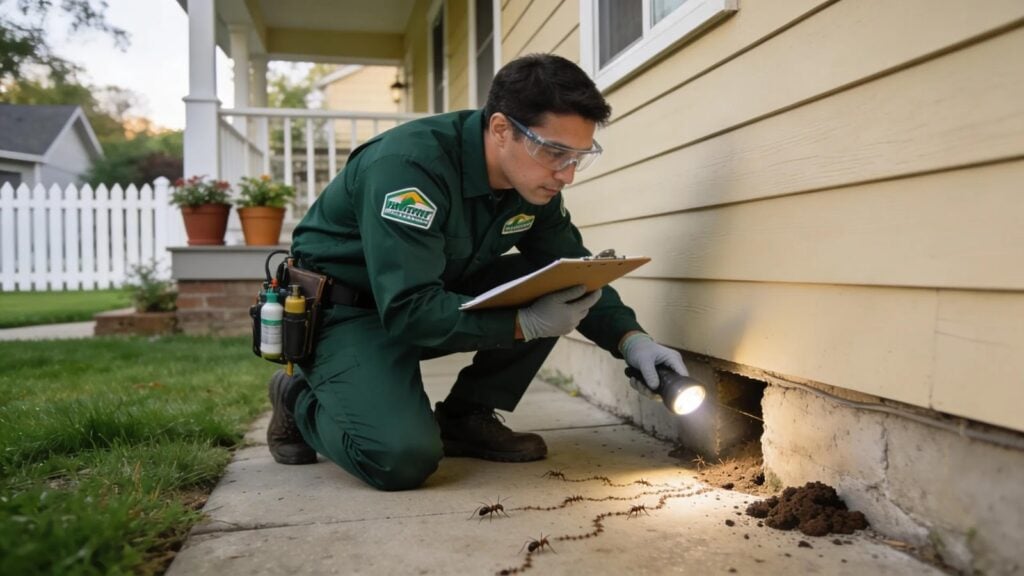
When infestations are significant, licensed pest-control professionals provide thorough, species-specific solutions. Technicians perform detailed inspections to identify the ant species and scope of infestation, then develop a customized treatment plan. Typical interventions include targeted baits, residual sprays, or traps selected to address the identified species.
Valley Wide Pest Control provides a range of services designed to deliver effective ant removal in Fresno while addressing the unique needs of each property.
| Service | Description | Pricing |
|---|---|---|
| Initial Inspection | Thorough examination to identify problem areas | $99 |
| Customized Treatment Plan | Tailored solutions based on species and infestation level | Starts at $249 |
| Ongoing Monitoring | Follow-up services to ensure long-term control | $99/month |
These options combine immediate control measures with preventive strategies to reduce the likelihood of recurrence.
What Causes Sudden Ant Infestations in Fresno Homes?
Fresno’s climate and local environment shape ant behavior. Seasonal temperature changes influence when ants become more active around homes; for example, spring warmth increases foraging and colony expansion. Local species may also respond to common household practices, such as food storage, which affects infestation risk.
How Do Seasonal Changes and Climate Affect Ant Activity?
Seasonal and climatic factors directly affect ant activity. Higher temperatures raise foraging rates as ants seek food and water. Spring rains can push ants indoors to avoid wet conditions, while drought conditions drive them to seek out residential properties for moisture. These patterns explain much of the seasonal variation in ant problems.
Which Common Ant Species Invade Homes in the San Joaquin Valley?
Several ant species commonly invade San Joaquin Valley homes. The most frequent invaders are listed below.
- Argentine Ant: These small, light brown ants form large colonies and are often found indoors searching for sugary substances.
- Carpenter Ant: Larger in size, carpenter ants can do significant structural damage as they nest in wood.
- Odorous House Ant: Known for their unpleasant odor when crushed, these ants prefer sweet foods and often infiltrate homes in large numbers.
Knowing these species and their typical behaviors helps homeowners choose appropriate prevention and control measures.
What Are the Key Signs of an Ant Infestation in Your House?
Recognizing signs of infestation allows for timely action. The primary indicators are listed below.
- Visible Ant Trails: Ants often travel in lines towards food sources.
- Nesting Sites: Ants may establish nests in hidden areas such as within wall cavities or under flooring.
- Damage to Structures: Particularly with carpenter ants, homeowners may notice wood damage.
Awareness of these signs supports faster responses and more effective control efforts.
How Can You Identify Ant Trails and Nesting Spots?
Ants leave pheromone trails that guide nestmates to food; following these trails often leads to the nest. Inspect likely areas—kitchens, bathrooms, and basements—for concentrated activity or clusters of ants, which indicate nesting. For ongoing protection, consider professional preventative pest control plans that include regular inspections and exclusion measures.
What Health and Property Risks Do Ants Pose?
Ants can present both hygiene and structural risks. Some species may contaminate food, posing health risks, while carpenter ants can weaken wooden structures by excavating galleries. Prompt action protects household health and limits property damage.
What Are Effective Ant Prevention Methods for Fresno Homeowners?
Prevention reduces the likelihood of infestations. Key measures include:
- Proper Food Storage: Ensure all food is stored in sealed containers to reduce attractants.
- Sealing Entry Points: Identify and seal cracks and openings around the home to block ant access.
- Regular Cleaning: Maintain cleanliness, especially in kitchens, to eliminate food sources and potential nesting sites.
Applying these practices consistently will significantly lower the chance of ants entering the home.
How Can Preventative Pest Control Plans Stop Ants Before They Enter?
Preventative plans focus on early detection and exclusion. Regular inspections identify activity before it becomes entrenched. Exclusion work—sealing gaps, fixing leaks, and reducing moisture—removes the conditions that attract ants. Ongoing monitoring ensures that any emerging issues are addressed promptly to prevent escalation.
Which Home Remedies and Safe DIY Approaches Work Against Ants?

Homeowners often use accessible, low-toxicity options for minor ant problems. Common remedies include:
- Vinegar Solution: A mixture of vinegar and water can disrupt ant trails and deter them.
- Diatomaceous Earth: This natural insecticide safely targets and kills ants while being safe for households.
- Essential Oils: Oils like peppermint and tea tree can repel ants when applied around entry points.
These measures offer a practical first response for small infestations; monitor results and escalate to professional services if activity continues.
When Should You Contact Professional Ant Control Services?
Certain situations require professional intervention. Seek expert help when you observe:
- Established Infestations: Visible colonies inside the home necessitate immediate professional intervention.
- Health Concerns: If there is a risk of contamination due to ant activity, it is vital to seek expert assistance.
- Structural Damage: Signs of significant damage from ant activity, especially from carpenter ants, warrant professional evaluation.
Prompt professional assessment prevents escalation and protects both health and property integrity.
What Are the Advantages of Hiring Valley Wide Pest Control in Fresno?
Engaging Valley Wide Pest Control provides several practical benefits:
- Expertise in Local Infestations: Their knowledge of Fresno’s ant species ensures effective treatment strategies.
- Custom Treatment Plans: Services tailored to specific infestations are designed to maximize efficacy.
- Ongoing Support: Regular follow-ups help in maintaining ant-free conditions over time.
These advantages make Valley Wide’s professional services a sound choice for homeowners seeking reliable, long-term control.
What Ant Extermination Methods Do Professionals Use?
Technicians select methods based on species identification and infestation severity. Typical approaches include:
- Baiting Systems: Involves placing bait stations that ants carry back to the nest, effectively targeting the colony.
- Insecticidal Sprays: These sprays provide immediate relief, targeting visible ants and their nests.
- Eco-Friendly Solutions: Many services now prioritize environmentally safe products to minimize impacts on households and ecosystems.
Understanding these options reassures homeowners that treatments are chosen for effectiveness and safety.
How Can You Schedule Ant Removal and Prevention Services with Valley Wide Pest Control?
Scheduling is straightforward: contact Valley Wide by phone to arrange an appointment. They provide free estimates and assessments to diagnose the issue and recommend appropriate steps. Scheduling early, especially during peak seasons, secures timely service. More details are available on their contact page.
What Is Included in a Free Ant Infestation Estimate?
A free estimate includes a comprehensive inspection and clear recommendations. The process covers:
- Detailed Inspections: An assessment of potential entry points and nesting sites.
- Customized Recommendations: Specific treatments are suggested based on the type and level of infestation.
- Cost Breakdown: Homeowners are informed of the expected costs for the recommended services.
This transparent approach gives homeowners the information needed to make an informed decision on pest control.
How Quickly Can Valley Wide Respond to Fresno Ant Emergencies?
Valley Wide Pest Control prioritizes timely responses to ant emergencies, especially during peak seasons. Rapid contact helps address infestations before they pose greater health or structural risks, and the team aims to provide prompt assessments and interventions.
Frequently Asked Questions
What attracts ants to homes in the first place?
Ants are primarily attracted to food, moisture, and shelter. Common household items like sugar, pet food, and unsealed trash can pique their interest. Additionally, conditions such as leaky pipes or high humidity create moisture sources that attract ants, especially during dry seasons. It’s essential to minimize these attractants by ensuring proper food storage and regular cleaning to reduce the likelihood of infestations.
Are there specific times of year when ant sightings increase?
Yes. Ant activity generally rises in warmer months, particularly in spring and summer, when temperatures encourage foraging and colony growth. Homeowners should be especially vigilant during these seasons and apply preventive measures to reduce the risk of indoor invasions.
How long can an ant colony survive without food?
Colonies can survive for several days to several weeks without a food source, depending on the species and environmental conditions. Some species store resources within the nest, which extends survival. Because colonies will resume foraging when food becomes available, prompt control is important to prevent re-infestation.
What is the best way to get rid of ants without chemicals?
Effective non-chemical options include vinegar solutions to disrupt ant trails, diatomaceous earth to physically damage ants, and essential oils such as peppermint or tea tree oil to repel them. Apply these measures around entry points and monitor results; escalate to professional treatment if the problem persists.
Can ants in my home indicate other pest problems?
Yes. Ants often follow or exploit conditions created by other pests, such as accessible food left by rodents or decaying organic matter. An ant presence can therefore signal additional pest issues that merit inspection and broader control measures.
How do I know if I need to contact professionals for ant removal?
Contact professionals if you observe established colonies indoors, recurring infestations despite DIY efforts, signs of structural damage from carpenter ants, or contamination risks. Professionals can provide a full assessment and recommend targeted, effective treatments.
What preventative measures can I take to keep ants out?
Prevent ants by storing food in sealed containers, keeping surfaces clean, sealing gaps and cracks around the property, and addressing moisture problems. These measures reduce attractants and entry points, lowering the chance of infestation.
Conclusion
Understanding how and why ant infestations occur allows homeowners to take measured, effective action. Consistent cleaning, controlled food storage, and moisture management reduce future risk. For persistent or damaging infestations, engage professional pest-control services for a tailored resolution that protects your home and health. Act promptly to limit disruption and potential damage.